What Actually Determines 3PL Pricing?

Faith Artieda • August 6, 2026

If you've ever requested a quote from a third-party logistics (3PL) provider, you've probably wondered why the pricing can vary so much from one company to another.


The truth is, there isn't a standard rate for fulfillment. Every business has different products, order volumes, customers, and operational needs. That's why pricing isn't just about storing inventory and shipping boxes—it's about understanding how your business operates and building a solution around it.


At Barrett Distribution, that process starts with asking a lot of questions. While it may seem like we're digging deep into your business, there's a good reason for it: the more we understand your operation, the more accurate—and fair—your pricing will be.


It All Comes Down to Two Things

According to Harrison Smith, Director of Commercial Revenue at Barrett Distribution, most 3PL pricing can be broken down into two categories.

"Pricing falls into two buckets: storage and handling. You're paying for the space and you're paying for the people."

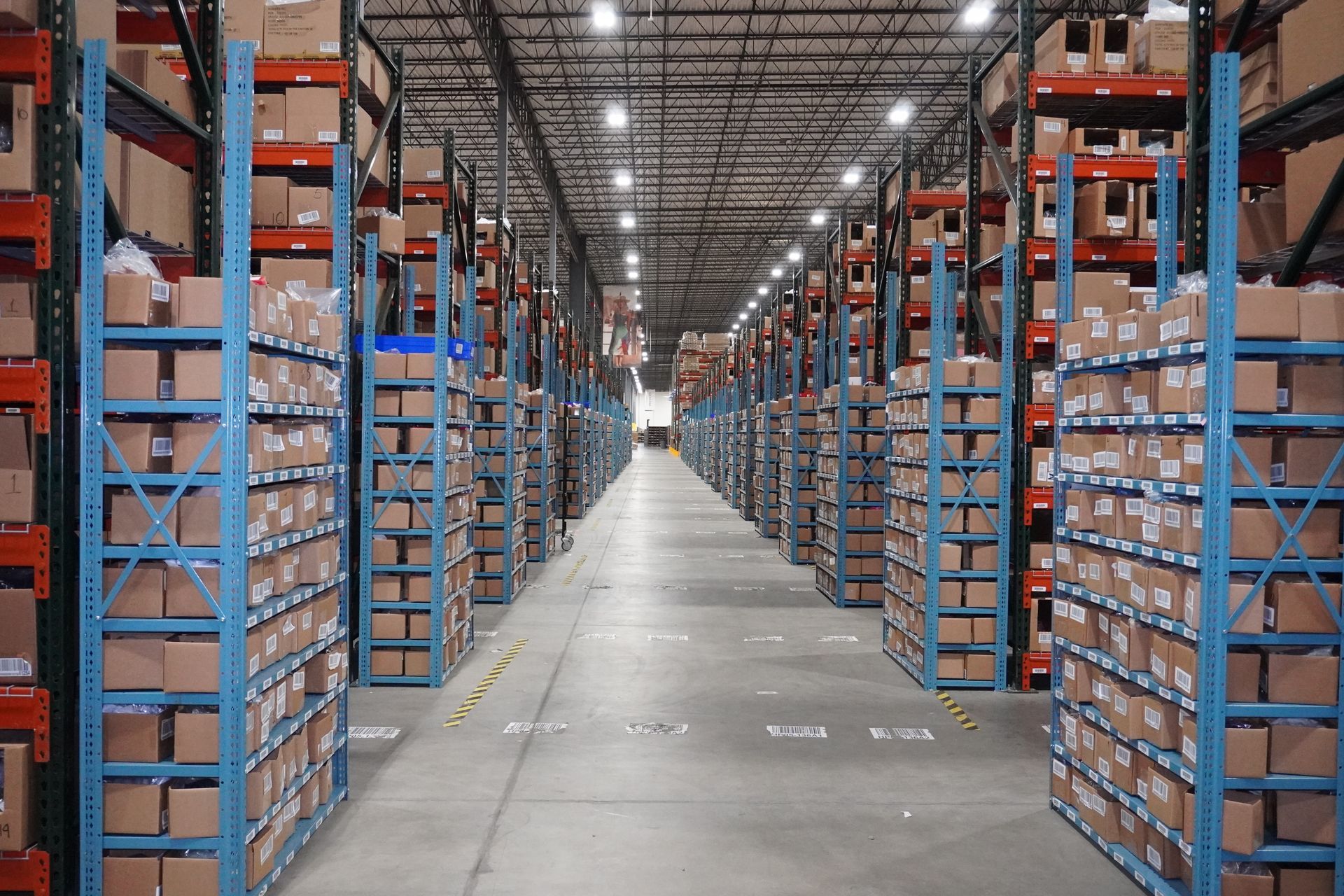
Storage is fairly straightforward. It's the warehouse space your inventory occupies. Factors like your inventory levels, how products are stored, and the location of the warehouse all influence this portion of your costs.


Handling is where every business starts to look different.


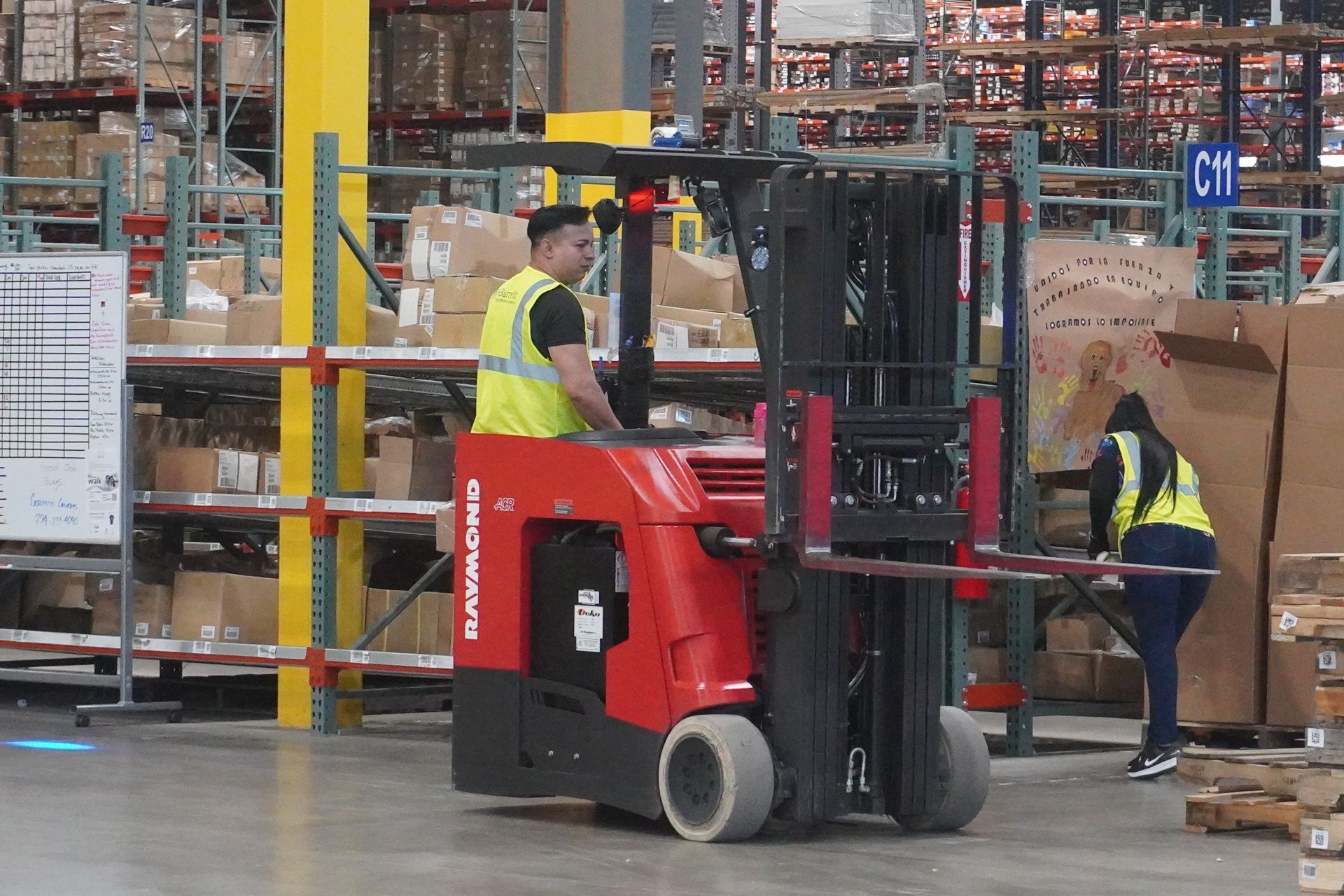
Receiving inventory, picking orders, packing shipments, applying retail labels, processing returns, and shipping products all require labor. A company shipping 100 direct-to-consumer orders each day has very different fulfillment needs than one sending truckloads to national retailers. Those differences affect how much work is required behind the scenes—and ultimately, how pricing is structured.


Why We Ask So Many Questions

If you've ever gone through the quoting process with a 3PL, you've probably been asked for order history, SKU counts, inventory reports, seasonality, shipping destinations, and more.


It can feel like a lot.


But those details allow a provider to build a pricing model based on your actual business rather than making educated guesses.


"The better the data, the better our pricing," Harrison says.

"When we have to make assumptions, those assumptions are naturally going to be conservative."


Think of it this way: if a logistics partner doesn't fully understand your operation, they'll need to account for unknowns. That often leads to pricing that's less precise because it includes extra cushion for uncertainty.


The more complete the picture, the more confidence everyone has in the solution.


Price Is Only Part of the Story

It's natural to compare quotes and look for the lowest number. But choosing a 3PL based on price alone can overlook what's actually included in that investment.


Reliable fulfillment requires experienced people, proven processes, technology, and a commitment to quality. Inventory accuracy, on-time shipping, retailer compliance, and responsive customer support all take resources to deliver consistently.


Those are the things that help prevent costly mistakes like chargebacks, inventory discrepancies, delayed shipments, and unhappy customers.


As Harrison explains:


"We're never going to be the lowest price, but we are going to be competitive. What our partners are paying for is the quality that our operations deliver."

While a lower price may look appealing on paper, the real cost of fulfillment often comes from service failures—not the monthly invoice.


Finding the Right Fulfillment Partner

A good pricing conversation shouldn't feel like negotiating over pennies. It should feel like building a solution that supports your business today and as it grows.


The right 3PL takes the time to understand your operation, asks thoughtful questions, and designs a fulfillment strategy that aligns with your products, customers, and long-term goals.


When you're evaluating fulfillment providers, don't just ask, "How much does it cost?"


Ask how that price was built—and what you'll receive in return.


Because in logistics, the best value isn't always the lowest quote. It's the partner that helps your business run more efficiently, deliver a better customer experience, and grow with confidence.

Recent Blog Posts
By Faith Artieda August 10, 2026
Lot tracking in warehousing is the process of assigning and monitoring a unique lot or batch number for groups of products throughout the supply chain. It helps businesses maintain inventory accuracy, improve product traceability, manage expiration dates, and quickly identify affected inventory if a recall occurs. Key Takeaways Lot tracking allows businesses to trace products from receipt through fulfillment using unique batch or lot numbers. It improves inventory accuracy, supports product recalls, and helps businesses manage expiration dates and regulatory requirements. An experienced 3PL with advanced warehouse technology can simplify lot-controlled inventory management while improving visibility across the supply chain. Why Is Lot Tracking Important in Warehousing? For many industries, knowing exactly where inventory came from and where it was shipped isn't just a best practice—it's a business requirement. Lot tracking gives businesses complete visibility into specific groups of products as they move through the warehouse. Instead of treating inventory as identical units, products are tracked by their assigned lot or batch number, making it easier to identify when they were received, where they're stored, and which customers received them. This level of traceability is especially valuable for companies that manage products with expiration dates, shelf-life requirements, or strict quality standards. How Does Lot Tracking Work? When inventory arrives at a warehouse, each lot is recorded with its unique identification number. Depending on the product, additional information—such as manufacturing dates, expiration dates, or supplier details—may also be captured. As inventory moves through receiving, storage, picking, and shipping, the warehouse management system maintains the connection between each product and its assigned lot number. This creates a complete record of inventory movement throughout the fulfillment process. If a quality issue or product recall occurs, businesses can quickly identify which inventory is affected rather than placing every unit on hold. Which Industries Benefit Most from Lot Tracking? Lot tracking is particularly important for businesses that distribute regulated or date-sensitive products. Industries that commonly rely on lot-controlled inventory include: Food and beverage Consumer packaged goods (CPG) Health and beauty Nutritional supplements Medical devices Pharmaceuticals Pet food For these businesses, lot tracking supports inventory accuracy while helping ensure products are shipped according to customer and regulatory requirements. How Does Lot Tracking Improve Inventory Management? Lot tracking provides greater control over inventory by giving warehouse teams detailed visibility into product movement and availability. For products with expiration dates, warehouses can follow inventory rotation methods such as First Expired, First Out (FEFO), helping ensure older inventory ships before newer inventory when appropriate. This reduces spoilage, minimizes waste, and improves inventory utilization. Businesses also gain more accurate inventory records, making forecasting, replenishment, and quality management easier. How Does Warehouse Technology Support Lot Tracking? Managing lot-controlled inventory manually can quickly become complex, especially as product volumes increase. Modern Warehouse Management Systems (WMS) automate much of the lot tracking process by recording lot numbers during receiving, maintaining traceability throughout storage and fulfillment, and providing real-time inventory visibility. Barrett Distribution utilizes a Tier 1 Warehouse Management System that supports advanced inventory management and real-time visibility across warehouse operations. The company's technology platform, customer dashboards, and reporting tools help customers monitor inventory and fulfillment performance with greater accuracy. This technology helps businesses manage lot-controlled inventory more efficiently while reducing the risk of manual errors. Can a 3PL Help Manage Lot-Controlled Inventory? Yes. An experienced third-party logistics (3PL) provider can simplify the complexities of lot tracking by combining technology with standardized warehouse processes. Barrett Distribution supports customers with sophisticated inventory control capabilities, including lot and expiration date management for products that require enhanced traceability. These capabilities are particularly important for industries such as food and beverage, where inventory accuracy and product quality are critical. By partnering with a 3PL that has experience managing lot-controlled inventory, businesses can improve operational efficiency while maintaining confidence in their inventory data. Is Lot Tracking Right for Your Business? If your products have expiration dates, are subject to regulatory requirements, or require detailed traceability, lot tracking should be an essential part of your warehouse strategy. Even businesses outside highly regulated industries can benefit from improved inventory visibility and stronger quality control. As supply chains become more complex, having the ability to quickly trace products throughout the fulfillment process helps reduce risk, improve customer service, and support long-term operational success. Whether you're shipping food products, cosmetics, consumer packaged goods, or other lot-controlled inventory, working with an experienced logistics partner can help ensure your warehouse processes are built for accuracy and scalability. Frequently Asked Questions What is lot tracking in warehousing? Lot tracking is the process of assigning and tracking unique lot or batch numbers for groups of products throughout receiving, storage, and fulfillment. It provides complete product traceability and improves inventory management. Why is lot tracking important? Lot tracking helps businesses improve inventory accuracy, manage expiration dates, support product recalls, and comply with industry regulations while maintaining better visibility across the supply chain. What industries use lot tracking? Industries including food and beverage, consumer packaged goods (CPG), health and beauty, medical devices, pharmaceuticals, nutritional supplements, and pet food commonly use lot tracking to manage inventory and maintain product traceability. Can a 3PL manage lot-controlled inventory? Yes. Experienced third-party logistics providers, including Barrett Distribution, use advanced warehouse technology and standardized processes to manage lot-controlled inventory, including lot and expiration date tracking for customers that require enhanced inventory visibility.
By Faith Artieda August 7, 2026
Yes. Outsourcing fulfillment to an experienced third-party logistics (3PL) provider can significantly improve order accuracy by combining standardized warehouse processes, advanced technology, trained fulfillment teams, and continuous quality control. The result is fewer shipping errors, improved customer satisfaction, and a more efficient supply chain. Key Takeaways Experienced 3PLs use proven processes and warehouse technology to reduce picking, packing, and shipping errors. Improved order accuracy leads to fewer returns, lower operational costs, and a better customer experience. Outsourcing fulfillment allows businesses to scale efficiently while maintaining consistent service levels. Why Does Order Accuracy Matter? Order accuracy is one of the most important performance metrics in fulfillment. Every order that arrives complete, on time, and with the correct products reinforces customer trust. Conversely, shipping the wrong item, missing products, or incorrect quantities can quickly lead to returns, replacement shipments, negative reviews, and lost revenue. As businesses grow, maintaining high order accuracy becomes increasingly challenging. More SKUs, additional sales channels, and higher order volumes introduce complexity that can strain internal operations if the right systems and processes aren't in place. That's why many growing brands turn to third-party logistics providers to help improve fulfillment performance. How Can Outsourcing Fulfillment Improve Order Accuracy? A reputable 3PL is built around fulfillment excellence. Rather than relying on manual processes or inconsistent workflows, experienced providers use standardized operating procedures designed to ensure every order is picked, packed, and shipped accurately. From receiving inventory to final shipment, each step follows established quality controls that reduce the likelihood of errors. Dedicated warehouse teams receive ongoing training and follow repeatable processes that promote consistency regardless of seasonal demand or order volume. For businesses that have outgrown their in-house fulfillment operations, these established processes can make an immediate difference in order accuracy. What Role Does Warehouse Technology Play? Technology is one of the biggest advantages an experienced fulfillment partner can offer. Modern Warehouse Management Systems (WMS) help guide warehouse associates through each step of the fulfillment process while maintaining real-time inventory visibility. Barcode scanning verifies products during picking and packing, reducing the risk of incorrect shipments and inventory discrepancies. Barrett Distribution utilizes a Tier 1 Warehouse Management System, transportation management software, customer dashboards, and embedded analytics to provide customers with real-time visibility into inventory, orders, and operational performance. These technology investments help improve inventory accuracy while giving customers greater visibility into their supply chain. How Do Standardized Processes Reduce Fulfillment Errors? Consistent processes are just as important as technology. Leading 3PLs establish standardized procedures for receiving inventory, putaway, order picking, packing, quality inspections, and shipping. These workflows reduce variability across warehouse operations and help ensure every order is processed according to the same quality standards. Many providers also monitor key performance indicators (KPIs) to identify trends, measure accuracy, and continuously improve operations over time. This disciplined approach helps maintain reliable fulfillment performance even during peak seasons or periods of rapid growth. Can Outsourcing Help Businesses Scale Without Sacrificing Accuracy? One of the biggest challenges for growing businesses is maintaining service quality while increasing order volume. As new products, customers, and sales channels are added, internal fulfillment operations can become stretched. Hiring additional warehouse staff, implementing new technology, and expanding warehouse space often require significant investment and operational expertise. Partnering with a 3PL provides access to scalable warehouse capacity, experienced operations teams, and proven fulfillment processes that allow businesses to grow without compromising order accuracy. Instead of building logistics infrastructure internally, companies can focus on product development, sales, and customer relationships while their fulfillment partner manages day-to-day warehouse operations. Why Choose an Experienced 3PL? Not all fulfillment providers offer the same level of expertise. When evaluating a 3PL, businesses should look for a partner with a proven track record, advanced warehouse technology, quality management programs, and a commitment to continuous improvement. Since 1941, Barrett Distribution has provided customized third-party logistics services for companies across industries including consumer products, apparel, health and beauty, food and beverage, retail, and ecommerce. Barrett supports omnichannel fulfillment through standardized warehouse processes, advanced technology, dedicated account management, and continuous improvement initiatives designed to deliver reliable operational performance. Choosing an experienced logistics partner can help businesses improve order accuracy today while creating a stronger foundation for future growth. Is Outsourcing Fulfillment the Right Choice? If your business is experiencing increasing order volumes, recurring fulfillment errors, or difficulty maintaining service levels, outsourcing fulfillment may be the right next step. An experienced 3PL provides the people, processes, and technology needed to improve order accuracy while creating a more scalable and efficient supply chain. By reducing errors and improving consistency, businesses can lower operational costs, strengthen customer relationships, and focus on long-term growth. Frequently Asked Questions Can outsourcing fulfillment improve order accuracy? Yes. Experienced 3PL providers improve order accuracy through standardized warehouse processes, advanced technology, trained fulfillment teams, and ongoing quality control. How does a Warehouse Management System improve fulfillment accuracy? A Warehouse Management System provides real-time inventory visibility, guides warehouse associates through standardized workflows, and uses barcode scanning to verify products throughout the fulfillment process. Why do businesses outsource fulfillment? Businesses outsource fulfillment to improve operational efficiency, reduce fulfillment errors, lower logistics costs, gain access to specialized technology, and scale without investing in additional warehouse infrastructure.  How does Barrett Distribution help improve fulfillment accuracy? Barrett Distribution combines Tier 1 warehouse technology, standardized operational processes, quality management programs, and continuous improvement initiatives to support accurate omnichannel fulfillment for both retail and direct-to-consumer customers.
By Faith Artieda August 6, 2026
Retail compliance is the process of meeting a retailer's specific shipping, labeling, packaging, and delivery requirements. By following these requirements, brands can avoid costly chargebacks, improve supply chain efficiency, and build stronger relationships with retail partners. Key Takeaways Retail compliance ensures products are shipped according to each retailer's unique requirements. Non-compliance can lead to chargebacks, shipment delays, and strained retailer relationships. An experienced 3PL can help brands maintain compliance while simplifying omnichannel fulfillment. Why Is Retail Compliance Important? As brands grow, selling through major retailers often becomes an essential part of their distribution strategy. However, every retailer has its own standards for how products should be prepared, labeled, shipped, and delivered. These requirements—commonly referred to as retailer routing guides or vendor compliance standards—are designed to improve efficiency throughout the supply chain. Failure to follow these guidelines can result in costly penalties, delayed shipments, rejected deliveries, or additional handling fees. Over time, repeated compliance issues can also damage relationships with retail partners. By prioritizing retail compliance, businesses can reduce operational risk while ensuring products reach store shelves on time and as expected. What Does Retail Compliance Include? Retail compliance encompasses a wide range of shipping and fulfillment requirements that vary by retailer. These standards may include barcode labeling, carton labeling, pallet configuration, Advance Ship Notices (ASNs), routing instructions, packaging specifications, appointment scheduling, and delivery windows. Because every retailer has different expectations, maintaining compliance requires consistent warehouse processes, attention to detail, and the ability to adapt to changing requirements. Businesses working with multiple retail partners often rely on standardized fulfillment processes and technology to help ensure every shipment meets customer-specific specifications. What Happens If You Don't Meet Retail Compliance Requirements? Even small mistakes can become expensive. Incorrect labels, missed shipping windows, inaccurate documentation, or improperly configured pallets may result in retailer chargebacks or rejected shipments. These issues not only increase costs but also create additional work for customer service and warehouse teams. Beyond the immediate financial impact, repeated compliance failures can affect supplier performance ratings and make it more difficult to strengthen relationships with key retail partners. For growing brands, avoiding these issues is critical to maintaining operational efficiency and protecting profitability. How Can Businesses Improve Retail Compliance? Successful retail compliance starts with well-defined warehouse processes and the right technology. Accurate inventory management, standardized picking and packing procedures, barcode verification, and integrated shipping systems all help reduce errors before products leave the warehouse. Regular employee training and ongoing quality checks further improve consistency. Many businesses also partner with an experienced third-party logistics (3PL) provider that specializes in retail fulfillment. A knowledgeable 3PL understands retailer-specific requirements and can adapt warehouse operations to meet changing compliance standards. How Does Technology Support Retail Compliance? Modern warehouse technology helps automate many of the processes required for compliant retail shipments. Warehouse Management Systems (WMS) can verify inventory accuracy, manage order workflows, and support labeling requirements, while Transportation Management Systems (TMS) help ensure shipments follow retailer routing instructions. Barrett Distribution utilizes a Tier 1 Warehouse Management System, transportation management software, and customer reporting tools to support accurate, efficient fulfillment operations. These technologies provide real-time visibility into inventory and order activity while helping customers manage complex omnichannel supply chains. Why Partner with a 3PL for Retail Compliance? Managing retail compliance internally can become increasingly complex as a business grows. An experienced 3PL provides the operational expertise, technology, and standardized processes needed to support multiple retailers while maintaining consistent fulfillment performance. This allows brands to focus on growing their business instead of managing constantly changing retailer requirements. Barrett Distribution supports omnichannel fulfillment by managing both business-to-business retail distribution and direct-to-consumer ecommerce fulfillment. The company also provides value-added services such as labeling, palletization, retail ticketing, ASN management, and vendor compliance support to help customers meet retailer expectations. Is Retail Compliance Worth the Investment? Absolutely. While maintaining compliance requires ongoing attention to detail, the long-term benefits far outweigh the costs. Businesses that consistently meet retailer requirements are better positioned to avoid chargebacks, improve operational efficiency, strengthen customer relationships, and scale into additional retail channels. Whether you're shipping to a handful of regional retailers or managing nationwide distribution, retail compliance is an essential part of building a reliable and efficient supply chain. Frequently Asked Questions What is retail compliance? Retail compliance is the process of meeting a retailer's specific shipping, labeling, packaging, and delivery requirements to ensure products are received without delays or penalties. Why is retail compliance important? Retail compliance helps businesses avoid chargebacks, reduce shipment delays, improve operational efficiency, and maintain strong relationships with retail partners. What happens if a company doesn't meet retail compliance requirements? Failure to comply with retailer standards can result in chargebacks, rejected shipments, delayed deliveries, additional handling fees, and lower supplier performance ratings. Can a 3PL help with retail compliance? Yes. Experienced third-party logistics providers, including Barrett Distribution, help businesses manage retailer-specific requirements through standardized fulfillment processes, advanced warehouse technology, and value-added services that support compliant retail distribution.
More Posts