
How Do I Offer Two-Day Shipping?
Offering two-day shipping starts with positioning inventory closer to your customers, optimizing your fulfillment operations, and partnering with a third-party logistics (3PL) provider that has a strategically located warehouse network. By reducing transit times and improving order processing, businesses can provide fast, reliable shipping without dramatically increasing costs.
Key Takeaways
- Two-day shipping is achieved through strategic inventory placement, efficient fulfillment processes, and optimized transportation—not just faster carriers.
- A multi-location warehouse network helps position inventory closer to customers, reducing transit times and shipping costs.
- An experienced 3PL can provide the technology, infrastructure, and operational expertise needed to consistently meet two-day delivery expectations.
Why Is Two-Day Shipping So Important?
Fast shipping has become an expectation for today's consumers. Whether customers are shopping directly from a brand's website or through an online marketplace, delivery speed often influences purchasing decisions.
Offering two-day shipping can improve customer satisfaction, increase conversion rates, and encourage repeat purchases. For businesses, it also creates a competitive advantage by meeting the service levels customers have come to expect from leading retailers.
The challenge is delivering that speed without significantly increasing fulfillment and transportation costs.
How Can Businesses Offer Two-Day Shipping?
Many businesses assume they need to rely on expensive expedited shipping services to achieve two-day delivery. In reality, the most effective strategy is reducing the distance between inventory and customers.
By storing products in strategically located fulfillment centers, businesses can use standard ground shipping to reach more customers within two days. This approach lowers transportation costs while maintaining fast delivery times.
As order volumes grow, many companies expand from a single warehouse to a multi-node fulfillment strategy, positioning inventory in multiple regions to improve nationwide coverage.
Does Warehouse Location Affect Delivery Speed?
Absolutely.
Warehouse location is one of the biggest factors influencing shipping speed. If inventory is stored hundreds or thousands of miles away from customers, even the most efficient fulfillment operation may struggle to achieve two-day delivery consistently.
Strategically located warehouses allow businesses to shorten shipping distances and improve transit times using ground transportation. This not only supports faster deliveries but also helps reduce parcel shipping costs compared to relying on expedited air services.
Barrett Distribution operates a nationwide fulfillment network with facilities in Massachusetts, New Jersey, New York, Maryland, Virginia, Tennessee, Texas, and California, allowing businesses to position inventory closer to customers across the country.
How Does a 3PL Support Two-Day Shipping?
An experienced third-party logistics provider offers much more than warehouse space.
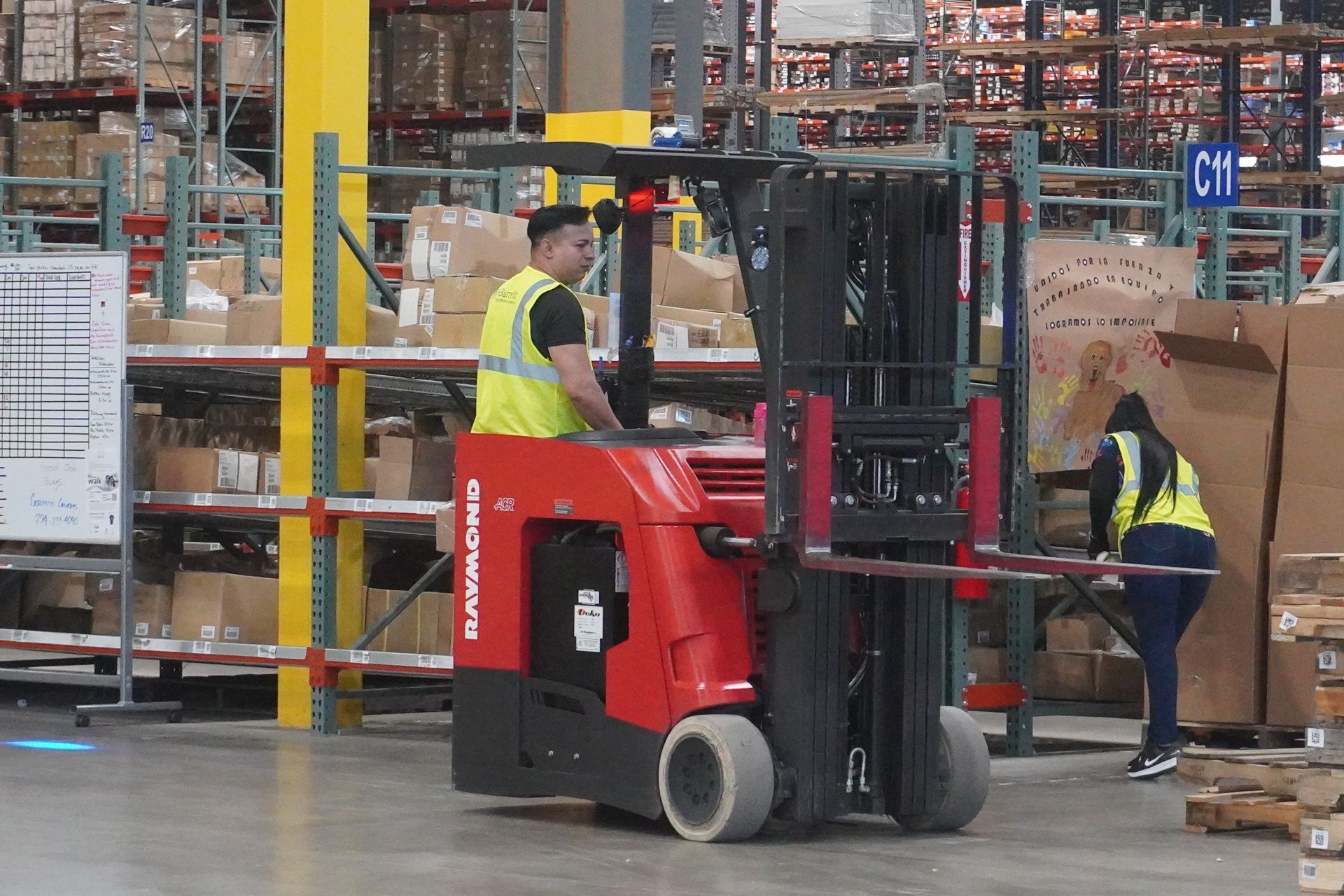
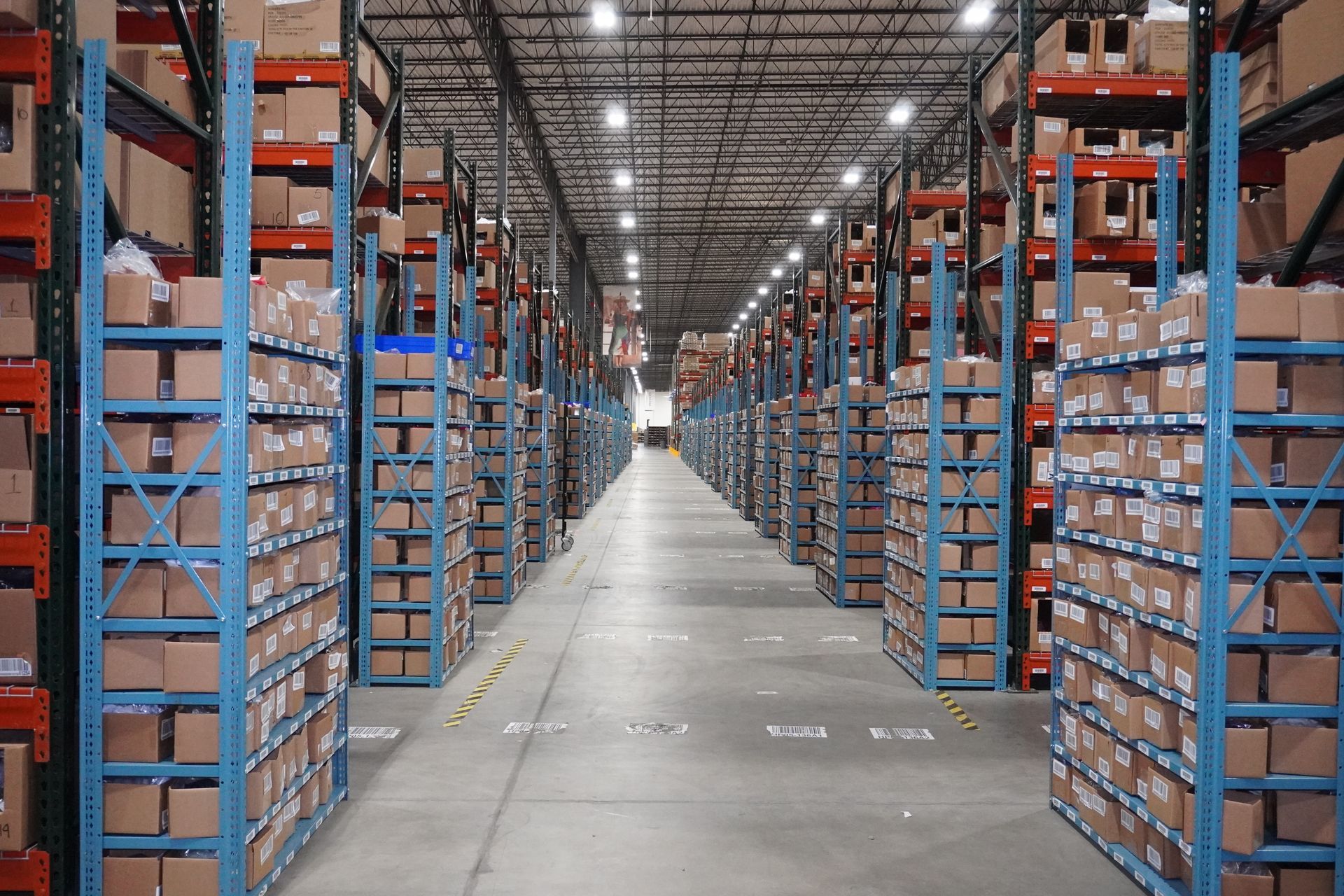
A 3PL helps businesses improve fulfillment speed through optimized warehouse operations, scalable labor, advanced technology, and established carrier relationships. Instead of building this infrastructure internally, companies can leverage an experienced partner with proven processes already in place.
Barrett Distribution supports both business-to-business retail distribution and direct-to-consumer ecommerce fulfillment through customized omnichannel solutions. Its nationwide warehouse network, transportation management capabilities, and customer-focused operations help businesses improve delivery performance while maintaining flexibility as demand grows.
What Technology Helps Enable Two-Day Shipping?
Fast shipping depends on accurate and efficient warehouse operations.
Modern Warehouse Management Systems (WMS) help optimize receiving, inventory management, order processing, and picking workflows. Real-time inventory visibility allows businesses to fulfill orders from the most appropriate location while reducing delays caused by inventory discrepancies.
Barrett utilizes a Tier 1 Warehouse Management System, transportation management software, and customer reporting tools that provide real-time visibility into inventory, orders, and fulfillment performance. These technologies help improve operational efficiency while supporting faster, more accurate order fulfillment.
Is Two-Day Shipping Right for Every Business?
Not every company needs to offer two-day shipping nationwide, but many can benefit from offering it in key regions where customer demand is highest.
Businesses should evaluate factors such as customer locations, shipping volumes, product characteristics, and transportation costs when developing their fulfillment strategy. In many cases, strategically placing inventory in regional fulfillment centers provides the speed customers expect without dramatically increasing logistics expenses.
Working with an experienced 3PL can help businesses determine the right warehouse locations and fulfillment model to balance cost, speed, and scalability.
Frequently Asked Questions
How do I offer two-day shipping?
The most effective way to offer two-day shipping is by storing inventory closer to customers, optimizing warehouse operations, and partnering with a 3PL that has a strategically located fulfillment network.
Do I need multiple warehouses for two-day shipping?
Not always, but multiple warehouse locations can significantly improve delivery coverage by positioning inventory closer to regional customer bases. This often allows businesses to use ground shipping instead of more expensive expedited services.
Can a 3PL help me offer two-day shipping?
Yes. An experienced third-party logistics provider can provide warehouse space, fulfillment technology, transportation expertise, and a strategically located distribution network to support two-day delivery goals.
How does Barrett Distribution support fast shipping?
Barrett Distribution operates a nationwide network of fulfillment centers and utilizes advanced warehouse and transportation technology to support efficient omnichannel fulfillment. By strategically positioning inventory and optimizing warehouse operations, Barrett helps businesses improve delivery performance while maintaining high service levels.
Recent Blog Posts