
Does Storing Inventory in California Reduce Shipping Costs?
Yes, storing inventory in California can reduce shipping costs—especially for businesses serving customers on the West Coast or importing products through Pacific ports. By positioning inventory closer to customers, companies can shorten shipping distances, rely more on ground transportation, and reduce overall transportation expenses while improving delivery speed.
Key Takeaways
- Storing inventory in California can lower shipping costs by reducing transit distances to West Coast customers.
- A California warehouse helps businesses improve delivery times while decreasing reliance on expensive expedited shipping.
- Partnering with an experienced 3PL allows businesses to optimize inventory placement, transportation, and fulfillment operations.
Why Does Warehouse Location Affect Shipping Costs?
Shipping costs are influenced by more than package size and carrier rates. The distance between your warehouse and your customers plays a major role in determining how much you spend on transportation.
When inventory is stored closer to where orders are being delivered, shipments travel fewer miles. This often results in lower parcel costs, faster delivery times, and greater flexibility when choosing shipping methods.
For businesses with a large customer base in the western United States, storing inventory in California can be a simple yet effective way to reduce transportation expenses while improving service levels.
How Does a California Warehouse Lower Shipping Costs?
A California warehouse allows businesses to fulfill orders closer to millions of consumers across the West Coast.
Instead of shipping every order from a warehouse located in another region, businesses can use ground shipping to reach customers in California and neighboring states more quickly. Ground transportation is typically more cost-effective than expedited air services, making it possible to reduce shipping expenses without sacrificing delivery speed.
As shipping volumes increase, these savings can add up significantly, particularly for ecommerce businesses fulfilling hundreds or thousands of orders each month.
Why Is California a Strategic Location for Distribution?
California is one of the largest consumer markets in the United States and serves as a major logistics hub for domestic and international commerce.
The state offers access to extensive highway networks, major parcel carrier operations, international airports, and some of the nation's busiest seaports. This infrastructure allows businesses to efficiently move products from ports to warehouses and then on to customers throughout the western United States.
For importers, storing inventory near a port can also reduce inland transportation costs while making products available for fulfillment more quickly.
Which Businesses Benefit Most from California Warehousing?
A California warehouse can benefit a wide range of businesses, but it is especially valuable for companies that regularly ship to customers in the western United States or import products from overseas.
Ecommerce brands often use California fulfillment centers to improve delivery speeds and remain competitive with customer expectations for fast shipping. Retail suppliers can also benefit by positioning inventory closer to stores and distribution partners throughout the region.
Businesses with seasonal demand or rapid growth may find that adding a West Coast warehouse provides greater flexibility while supporting future expansion.
Can a California Warehouse Support Both Retail and Ecommerce Fulfillment?
Yes. Many businesses today sell through multiple channels, including ecommerce websites, online marketplaces, wholesale customers, and retail stores.
A strategically located California warehouse can support all of these channels while helping businesses maintain consistent inventory visibility and operational efficiency.
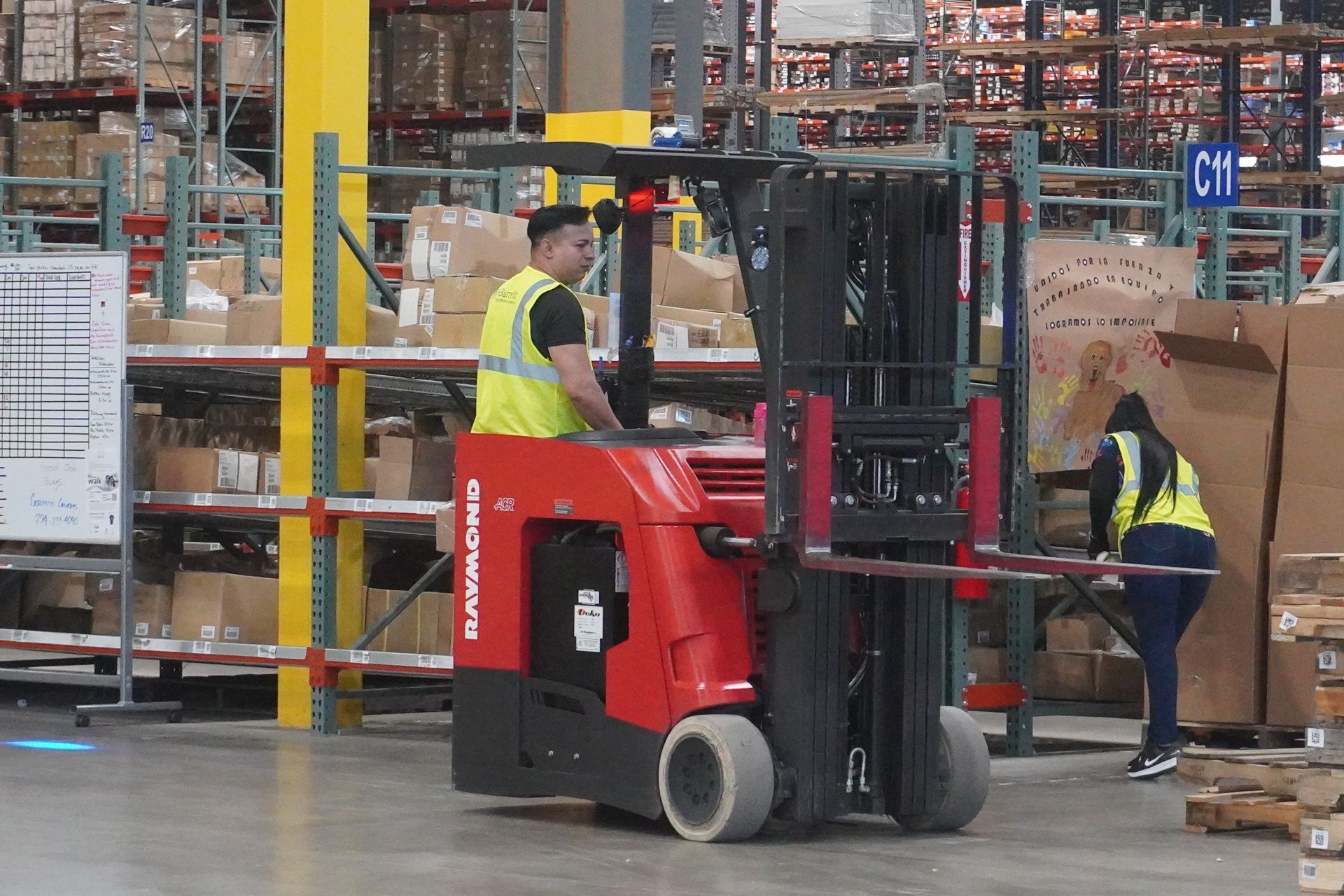
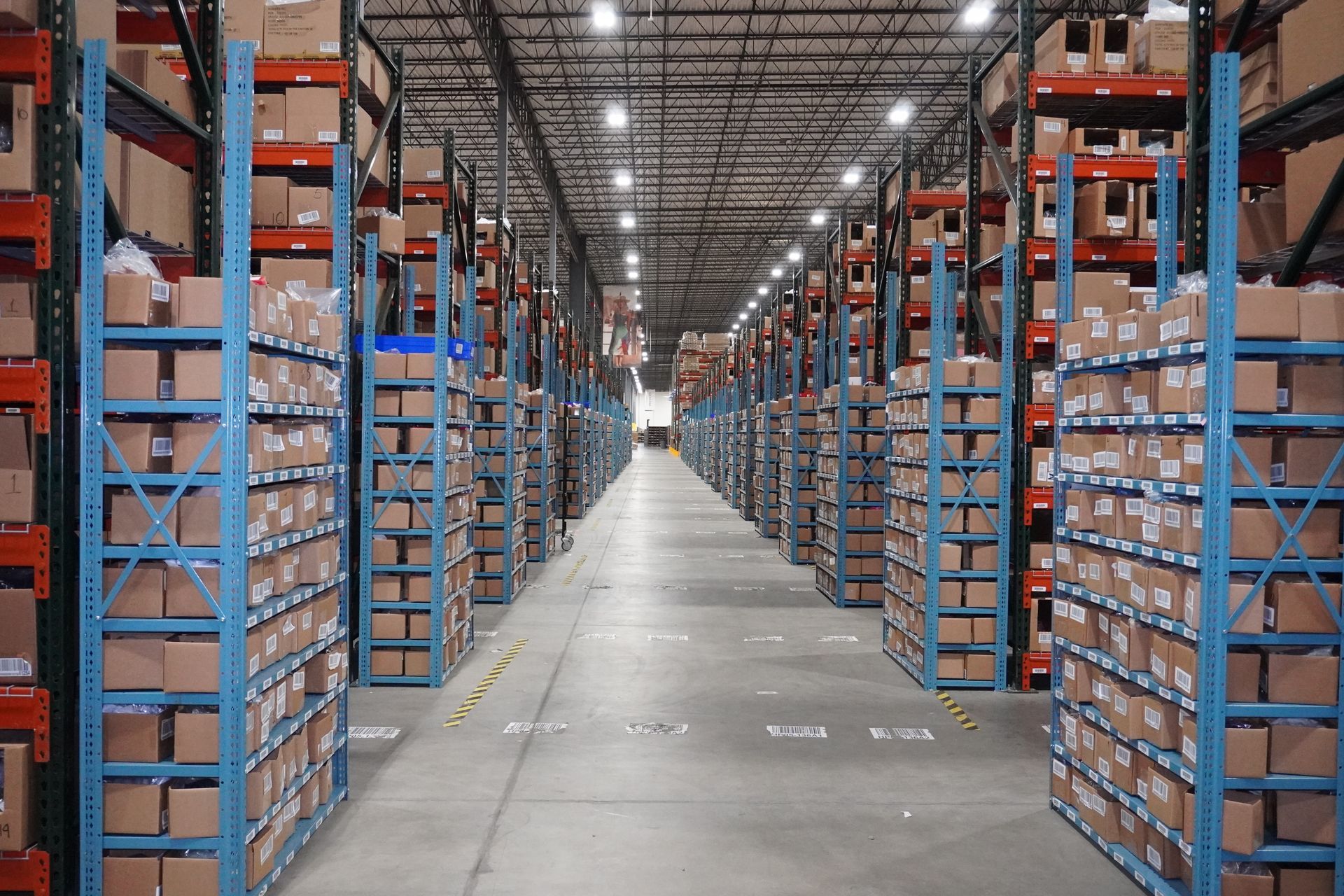
Barrett Distribution operates fulfillment facilities in California as part of its nationwide logistics network and specializes in omnichannel fulfillment, supporting both business-to-business retail distribution and direct-to-consumer ecommerce fulfillment through customized warehouse solutions.
How Does a 3PL Help Optimize Shipping Costs?
Reducing shipping costs isn't just about warehouse location—it also requires efficient operations, strong carrier relationships, and advanced technology.
An experienced third-party logistics (3PL) provider can help businesses determine the best inventory strategy based on customer demand, shipping patterns, and growth plans. Modern warehouse technology also provides real-time inventory visibility, helping ensure orders are fulfilled from the most efficient location.
Barrett Distribution utilizes a Tier 1 Warehouse Management System, transportation management software, and customer reporting tools that provide visibility into inventory, orders, and fulfillment performance, helping customers improve operational efficiency across their supply chains.
Is Storing Inventory in California the Right Choice?
If a large percentage of your customers are located on the West Coast, storing inventory in California can provide measurable savings while improving delivery performance.
By reducing shipping distances, improving transit times, and supporting efficient distribution, a California warehouse can help businesses build a more responsive and cost-effective supply chain. When combined with an experienced logistics partner, it also provides the flexibility to scale operations as customer demand grows.
For businesses looking to strengthen their fulfillment strategy, California remains one of the most strategic warehouse locations in the country.
Frequently Asked Questions
Does storing inventory in California reduce shipping costs?
Yes. Storing inventory closer to West Coast customers reduces shipping distances, allowing businesses to lower transportation costs and improve delivery times.
Is California a good location for a fulfillment center?
California is an excellent location for fulfillment because it provides access to a large consumer population, extensive transportation infrastructure, major ports, and regional parcel carrier networks.
Do ecommerce businesses benefit from California warehousing?
Yes. Ecommerce businesses can improve delivery speed, reduce shipping costs, and better meet customer expectations by positioning inventory closer to West Coast customers.
Can a 3PL help determine the best warehouse locations?
Yes. Experienced third-party logistics providers, including Barrett Distribution, help businesses develop inventory strategies that improve fulfillment performance while reducing transportation costs through strategically located warehouse networks.
Recent Blog Posts