Company Culture Is a Customer Experience Issue
Culture can sound like one of those things that belongs in an employee handbook or on a poster in the break room. Important internally, perhaps, but what does it have to do with the company trusting a 3PL to fulfill thousands of customer orders?
Quite a lot, actually.
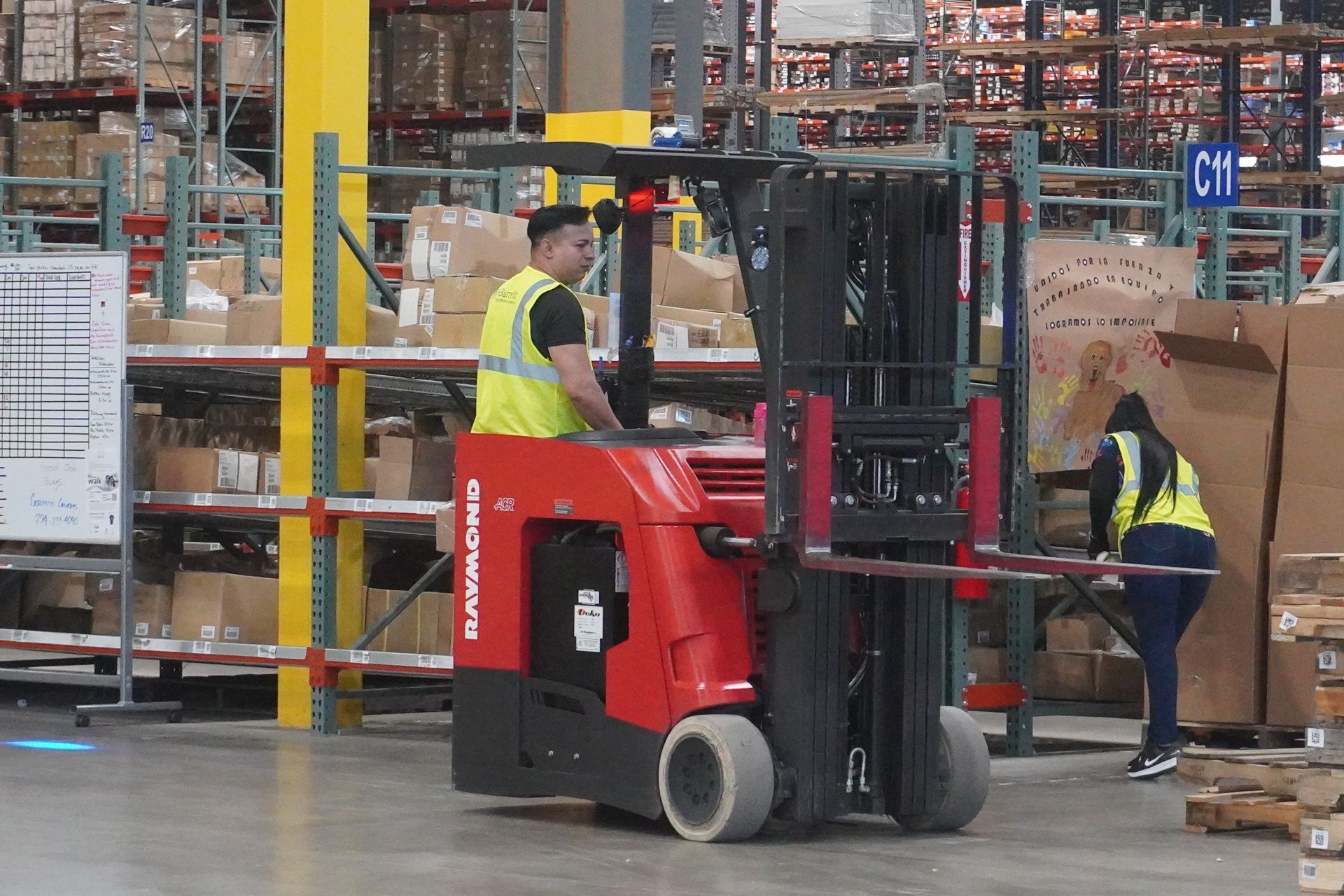
Inside a warehouse, culture quietly influences how people communicate when an order goes wrong, whether someone feels comfortable raising a concern before it becomes a larger problem, how seriously teams take the details of a customer's account, and whether employees see themselves as simply completing a task or taking responsibility for an outcome. Customers may never witness those interactions, but they experience the consequences of them every day.
At Barrett Distribution Centers, that connection between culture and customer experience is intentional. Adam Robertson, Vice President of Customer Experience, describes it as something that begins with leadership and travels throughout the organization.
“Culture that comes all the way from the top. Our vision statement is to wow our customers. That comes from the top.”
Culture Eventually Finds Its Way to the Customer
Think about everything that can happen between an order being placed and a package reaching someone's doorstep. There are systems communicating, inventory being located, products being picked, packaging decisions being made, carrier requirements being followed, and people responding when something does not go exactly according to plan.
Technology supports that work, but people bring it to life.
For Barrett, the guiding vision is to “WOW our customers, partners, and fellow employees with every interaction.” The company's five core values build on that idea through continuous improvement, integrity, dedication to the customer, ownership, and open and honest relationships.
Those values become especially meaningful when fulfillment gets complicated. During an easy day, almost any operation can look impressive. What happens during the difficult one? When volume unexpectedly increases, a retailer requirement changes, an inventory question appears, or a customer needs an answer quickly, the habits established within a company begin to show.
Does someone take ownership? Do teams communicate openly? Are people willing to raise their hands and solve the problem?
That is culture in practice.
Give People a Reason to Care About the Outcome
Interestingly, one of Barrett's core values is “I Am an Owner.” Barrett operates with an open book philosophy, sharing financial results with employees and allowing them to participate in the company's success when financial goals are achieved. The idea is larger than financial transparency. Barrett wants employees to think and behave with the responsibility of an owner.
That sense of involvement has been reinforced through Barrett's participation in The Great Game of Business for the past 20 years. Weekly huddles, forecasting, scoreboards, and other practices give employees greater visibility into how the company performs and how their individual work contributes to a larger result.
Because ownership changes the way people approach details. A box that needs attention is not simply someone else's problem. A process that could work better becomes worth discussing. A customer request is connected to a relationship rather than disappearing into a list of tasks.
For a 3PL, where countless small decisions accumulate into the customer experience, that mindset matters.
Build the Culture Before You Need It
Strong culture is easy to talk about when everything is running smoothly. Its real value appears when circumstances demand more from people.
Adam points to Barrett's willingness to invest in the resources necessary to support customers, explaining,
“We've always invested in whatever tools we needed to take care of customers or even whatever staff we need to take care of customers. So that positions us well to take care of the clients as they grow.”
Growth inevitably introduces change. A direct to consumer brand may enter retail. Order volume can increase. New products bring different requirements. Seasonal peaks place additional pressure on an operation. Through each transition, a 3PL needs people who understand not only the processes they follow, but why those processes matter.
Barrett reinforces that foundation through employee training and development. New hires are introduced to the company's vision and values, while customer specific training prepares employees for the particular requirements of the accounts they support. The goal is not simply to teach someone how warehouse work is done, but to help them understand how Barrett approaches customers, teammates, and continuous improvement.
You Can Feel Culture Before You Can Measure It
For prospective customers evaluating a 3PL, culture is admittedly harder to compare than pricing, warehouse locations, or technology capabilities. There is no simple spreadsheet column for trust, communication, or whether people genuinely care about the work happening around them.
- Sometimes you have to see it.
- Walk the warehouse.
- Meet the people running the operation.
- Notice how employees communicate with one another.
Ask leaders how they handle mistakes, recognize employees, develop their teams, and respond when a customer needs something outside the ordinary process.
Barrett customers themselves have pointed to culture as part of their experience with the company. Customer testimonials published by Barrett speak about teams that care about their success, strong relationships, and a family owned, employee driven culture that became apparent during site visits.
Those qualities cannot be manufactured for a presentation. They are built slowly, through thousands of everyday interactions that happen long before a prospective customer ever walks through the door.
The People Behind the Performance
Warehousing will continue to become more sophisticated. Technology will advance, automation will expand, and the systems supporting fulfillment will become increasingly powerful. All of that matters.
Yet logistics remains remarkably human.
Someone still has to notice the problem. Someone has to ask the question, communicate with the customer, help a teammate, suggest a better process, or take responsibility when the unexpected happens. As Barrett puts it in its own approach to continuous improvement,
“Ultimately, we are people serving people.”
That may be one of the simplest ways to understand why company culture matters when choosing a 3PL.
Your customers may never meet the people inside the warehouse. They may never attend a morning huddle, hear a conversation between teammates, or know who solved a problem with their order.
But they will experience the results of that culture every time a Barrett fulfilled package reaches their door.
Recent Blog Posts