What Can You Learn About a 3PL by Walking Through the Warehouse?

Faith Artieda • September 24, 2026

Every 3PL can build an impressive presentation. You can review technology, locations, capabilities, services, and carefully selected photographs of the operation, all without ever stepping inside the building. Those details matter, of course, but they only tell part of the story. What happens when you leave the presentation behind and actually walk through the warehouse?


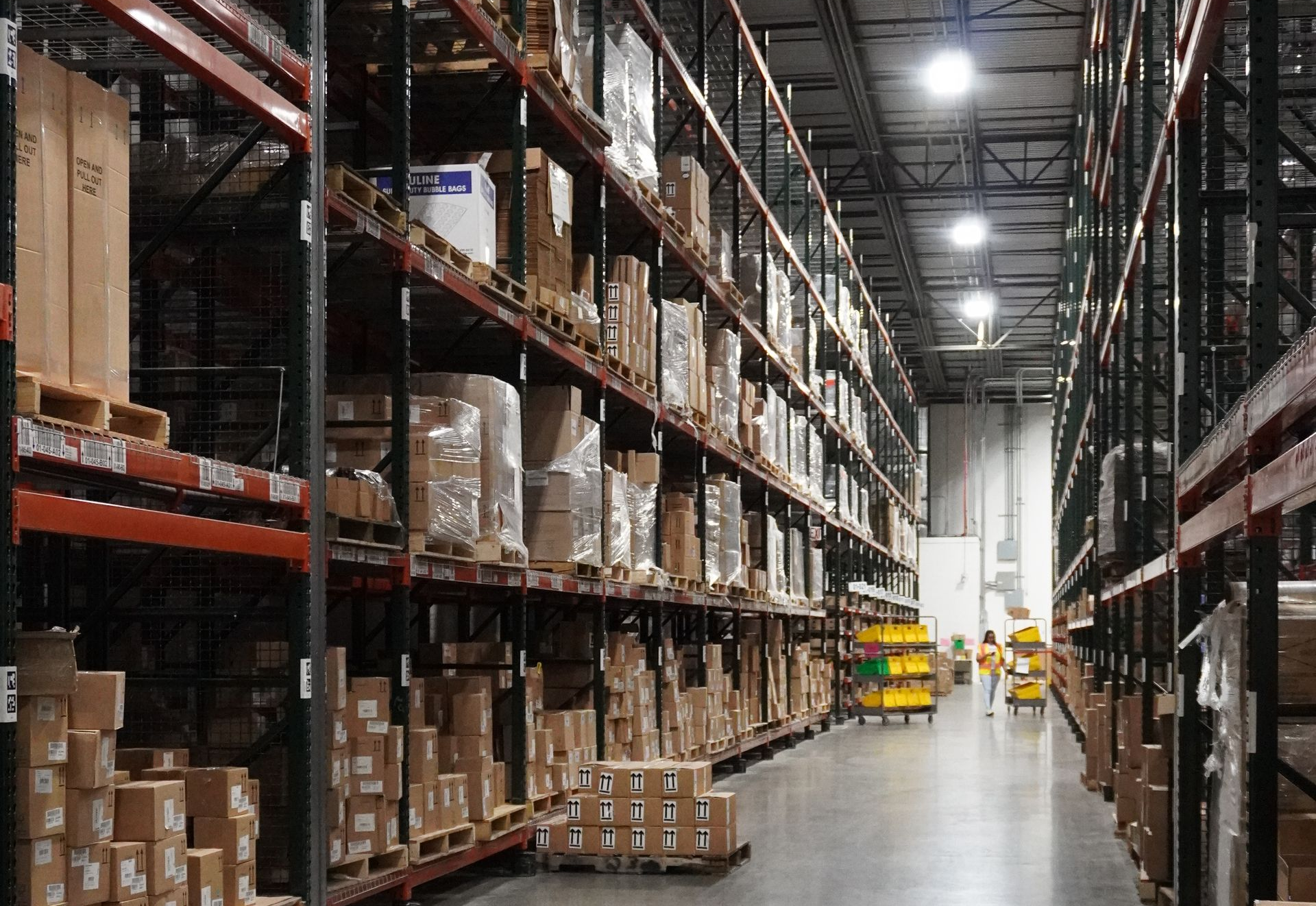
Almost immediately, fulfillment becomes more tangible. Instead of hearing how an operation works, you can watch it unfold around you. Inventory is being received, orders are moving through the building, teams are communicating, and the people who could eventually be responsible for your products are doing the work right in front of you. For a prospective customer, that experience can reveal far more than another slide ever could.


That philosophy is one of the reasons Barrett Distribution Centers hosts open houses.


Mary Glenn, Director of Business Development at Barrett, recently reflected on Barrett's Memphis open house and explained that the intention was never to bring prospective customers into a building just to deliver another sales presentation.


“This wasn’t going to be a sales pitch. This wasn’t going to be, you know, come and get PowerPointed to death.”
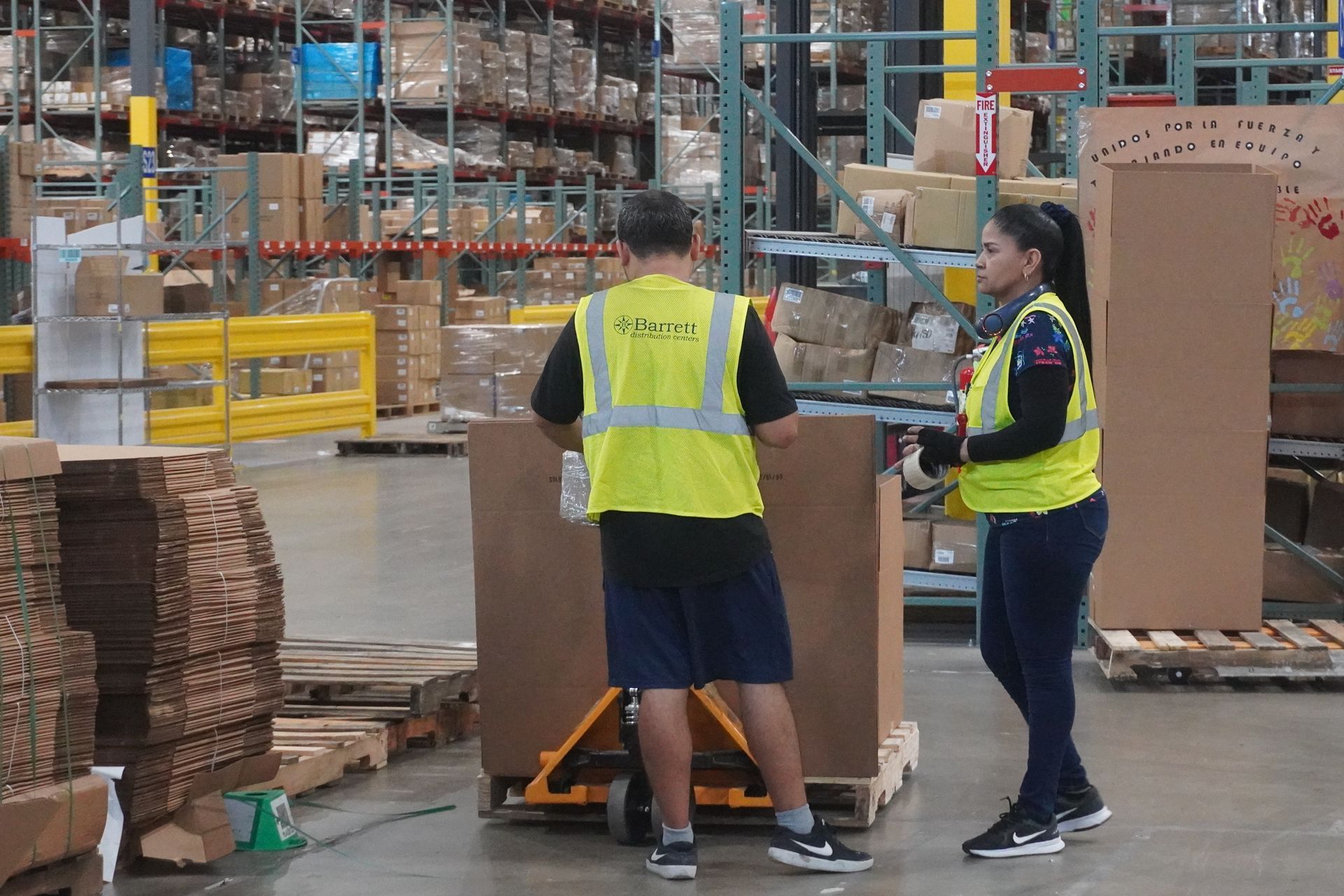

Instead, Barrett wanted people to come inside, meet the team, explore the operation, ask questions, and leave knowing something they did not know when they arrived.


See What a Presentation Cannot Show You


As Mary pointed out,

“Any 3PL can look great in a presentation deck.”


A warehouse visit gives you the opportunity to look beyond that presentation and pay attention to the details that are much harder to communicate through a screen.


  • How is the facility organized?
  • How do people interact with one another?
  • What happens when an order requires something outside the ordinary process? Does the environment feel thoughtful, organized, and engaged?


For growing brands, those questions become increasingly important because fulfillment rarely stays simple forever. A company shipping primarily direct to consumers today may be preparing to enter retail tomorrow. Another may be introducing new products, experimenting with different sales channels, or reaching the point where fulfilling internally is consuming too much time and attention. Mary noted that many of the brands Barrett speaks with are navigating exactly that kind of evolution, particularly as they move from a direct to consumer model into a broader omnichannel strategy.


Seeing an operation firsthand gives you a chance to imagine your business inside it, not simply your inventory.


Meet the People Behind the Operation


Of course, warehouses do not run themselves.


Behind the systems, equipment, and processes are people making hundreds of decisions every day, and those people become particularly important when something does not go according to plan. An unexpected increase in orders, a new retailer requirement, a special project, or an unusual customer request can quickly turn fulfillment from routine into problem solving.


Who will be solving those problems for you?


That is one of the questions Barrett wants prospective customers to be able to answer before making a decision. Mary encourages brands to


“come see the operation, come meet the GMs and the associates that are going to be running your operation every single day because that matters more than any well positioned sales pitch.”


At Barrett, meeting the team is not treated as an afterthought. Mary describes the operations teams and the people running the buildings as “the heart and soul of everything that we do every single day.”


When you consider what a brand entrusts to its 3PL, that emphasis makes sense. These are products someone spent years developing, orders from customers the brand worked hard to earn, and experiences that can influence whether those customers decide to come back. The people handling those products become part of that story, even if the end customer never knows their names.


Come With Questions and Leave With New Ideas


Perhaps the most interesting part of a Barrett open house is that you do not need to arrive with a request for proposal in hand.

During the Memphis event, some visitors were already running their own operations, which turned the warehouse tour into something more collaborative. Barrett could share how its teams approach fulfillment while visitors brought their own experiences, questions, and perspectives into the conversation. Mary described the experience as a way


 “for us all to kind of make each other better.”


That exchange matters. In an industry where everyone is constantly looking for better ways to work, sometimes an afternoon spent walking another operation can spark a question you have never considered or introduce a different approach to a familiar problem.


Maybe you are actively searching for a 3PL. Perhaps you know your current fulfillment model will need to change eventually, but you are not there yet. Or maybe you simply want to see how another operation approaches the work you think about every day.

Come curious.


Experience What Makes Barrett Different


Barrett does not host an open house expecting every visitor to become a customer. In fact, Mary is refreshingly clear about that:


“We don’t want to be a fit for everybody.”


What Barrett can do is give prospective customers the opportunity to make a more informed decision. Walk through the operation. Meet the people. Ask difficult questions. Talk about where your business is today and where it could be heading next. Most importantly, experience the culture for yourself rather than simply being told about it.


For a company choosing a 3PL, that matters. You are not simply renting space inside someone else's warehouse. You are choosing the people who may eventually receive your inventory, prepare your orders, navigate your growth, and help protect the customer experience you have worked so hard to create.


At Barrett's next open house, we invite you to step beyond the presentation and see that work for yourself.
Recent Blog Posts
By Faith Artieda September 24, 2026
Apparel brands can manage seasonal inventory by combining accurate inventory visibility, demand planning, flexible warehouse operations, and omnichannel fulfillment. The goal is to have the right products available when demand increases without creating unnecessary inventory challenges after the season ends. A 3PL can help apparel brands prepare for seasonal fluctuations by providing warehouse infrastructure, technology, labor planning, and fulfillment processes that can adapt as order volumes change. Key Takeaways Seasonal demand can create major changes in apparel order volume and inventory requirements. Inventory visibility helps brands understand what products are available across the fulfillment operation. Flexible warehouse and labor planning can help operations respond to changing demand. Omnichannel fulfillment is important when seasonal inventory must serve both ecommerce and retail customers. Why Is Seasonal Inventory Challenging for Apparel Brands? Apparel demand can change significantly based on the season, holidays, promotions, and new product introductions. These fluctuations can affect how much inventory enters the warehouse, how much storage is required, and how quickly orders need to move through fulfillment. Barrett identifies retail seasonality, promotions, product introductions, and demand volatility among the challenges involved in omnichannel and retail fulfillment. How Does Inventory Visibility Help With Seasonal Demand? Brands need a clear understanding of what inventory is available as seasonal demand changes. Warehouse technology and reporting can provide visibility into inventory, inbound orders, outbound orders, and operational performance. This information can help brands and their logistics partners make better decisions as inventory moves through the season. Barrett provides customers with secure web-based access to inventory, item master information, inbound and outbound orders, reporting, and operational dashboards. How Can a 3PL Prepare for Seasonal Order Spikes? Seasonal fulfillment requires more than additional warehouse space. Operations may also need to adjust labor and workflows as order volumes change. Barrett's analytics capabilities include labor planning and productivity measurement, while its Barrett PLUS labor management solution incorporates data from warehouse systems and other operational sources. Planning around expected demand can help the warehouse prepare resources before seasonal volume arrives. How Does Omnichannel Fulfillment Help Manage Seasonal Inventory? Seasonal apparel inventory may need to serve several channels at once. An ecommerce promotion can increase DTC orders while the same brand is also fulfilling wholesale and retail demand. Each channel may require different fulfillment processes even when inventory is managed within the same broader operation. Barrett supports B2B and B2C omnichannel fulfillment for consumer, distributor, and retail customers, allowing different order types to be supported within its fulfillment operations. Why Are Flexible Warehouse Processes Important? Seasonal demand rarely looks exactly the same throughout the year. Apparel brands need fulfillment operations capable of adapting to changing order profiles, promotions, and retail requirements. Barrett's WMS capabilities include customer-specific processing and real-time tasking, while its continuous-improvement approach emphasizes documented processes, training, and operational optimization. These capabilities can support a more flexible approach as fulfillment requirements change. What Should Apparel Brands Look for in a Seasonal Fulfillment 3PL? Look for a 3PL that can support more than peak-season shipping. The provider should have strong inventory management, technology, labor planning, B2B and DTC fulfillment, retail compliance, and reporting capabilities. Apparel experience is also important because seasonal inventory often intersects with retail promotions, product launches, value-added services, and customer-specific requirements. Barrett identifies Apparel & Footwear as a core vertical and combines omnichannel fulfillment with warehousing, value-added services, transportation management, and retail compliance. Frequently Asked Questions What is seasonal inventory in apparel? Seasonal inventory is merchandise whose demand is closely connected to a particular season, holiday, promotion, or selling period. How can a 3PL help with seasonal demand? A 3PL can provide warehouse capacity, fulfillment processes, labor planning, inventory visibility, technology, and transportation capabilities to support changing order volumes. Can seasonal inventory support both retail and ecommerce orders? Yes. An omnichannel fulfillment operation can support both B2B and DTC orders, although each channel may require different fulfillment processes. Does Barrett support seasonal apparel fulfillment? Barrett serves the Apparel & Footwear vertical and its omnichannel experience includes managing challenges such as demand volatility, retail seasonality, promotions, and product introductions.
By Faith Artieda September 23, 2026
The contract is signed. Your inventory is moving. Systems are being connected. After months of comparing providers and talking through every detail, your new 3PL relationship is finally becoming real. The first 30 days should not be about handing over the keys and hoping everything works. They should be about turning everything discussed during the sales process into something your customers can actually rely on. Scott Wilkins , Vice President of Customer Solutions at Barrett Distribution Centers, has described implementation as an important moment in establishing that relationship. “The implementation itself really sets the stage for that relationship. The more information that you have up front, the better off that relationship is going to get off on the right foot.” So, what should those first few weeks actually look like? Week One: Get Everyone on the Same Page The beginning should involve a lot of communication. Your 3PL needs to understand more than how many orders you ship. This is the time to confirm inventory details, sales channels, packaging requirements, retailer expectations, technology needs, transportation requirements, upcoming promotions, and the small details that make your business different. You should also know the people involved. Who is your main contact? Who is responsible for operations? Who handles systems questions? Who gets involved when something unexpected happens? Scott describes the work behind building a customer solution as a team effort, saying, “It takes a small army to develop and submit a potential proposal.” That collaboration becomes even more important once the proposal turns into a real operation. Weeks Two and Three: Turn the Plan Into an Operation This is where a lot of the behind the scenes work happens.
By Faith Artieda September 22, 2026
Signing with a 3PL can feel like the finish line after weeks of conversations, proposals, pricing, and warehouse visits. But the signature is really where the relationship begins. Before your first customer order leaves the building, your 3PL needs to turn everything discussed during the sales process into an operation that works for your brand every day. That transition matters. A good onboarding should make you feel more confident about the decision you just made, not leave you wondering what happens next. First, Your 3PL Gets to Know the Details During the sales process, your 3PL learns the larger story of your business. Once you sign, the questions become much more specific. What does your inventory look like? When are your busiest periods? How are orders received? Do certain products need special handling? Are there retailer requirements to follow? Do orders include branded packaging, inserts, kits, gift messages, or other details? This is where conversations become processes. Your team and your 3PL begin working through the information needed to build an operation around how your business actually functions. Then the Behind the Scenes Work Begins There is a lot happening before the first order ships. Systems need to communicate, inventory needs a home, and the people inside the warehouse need to understand what makes your business different.
More Posts