Your Average Order Volume Might Be Hiding the Real Story
Faith Artieda • September 29, 2026

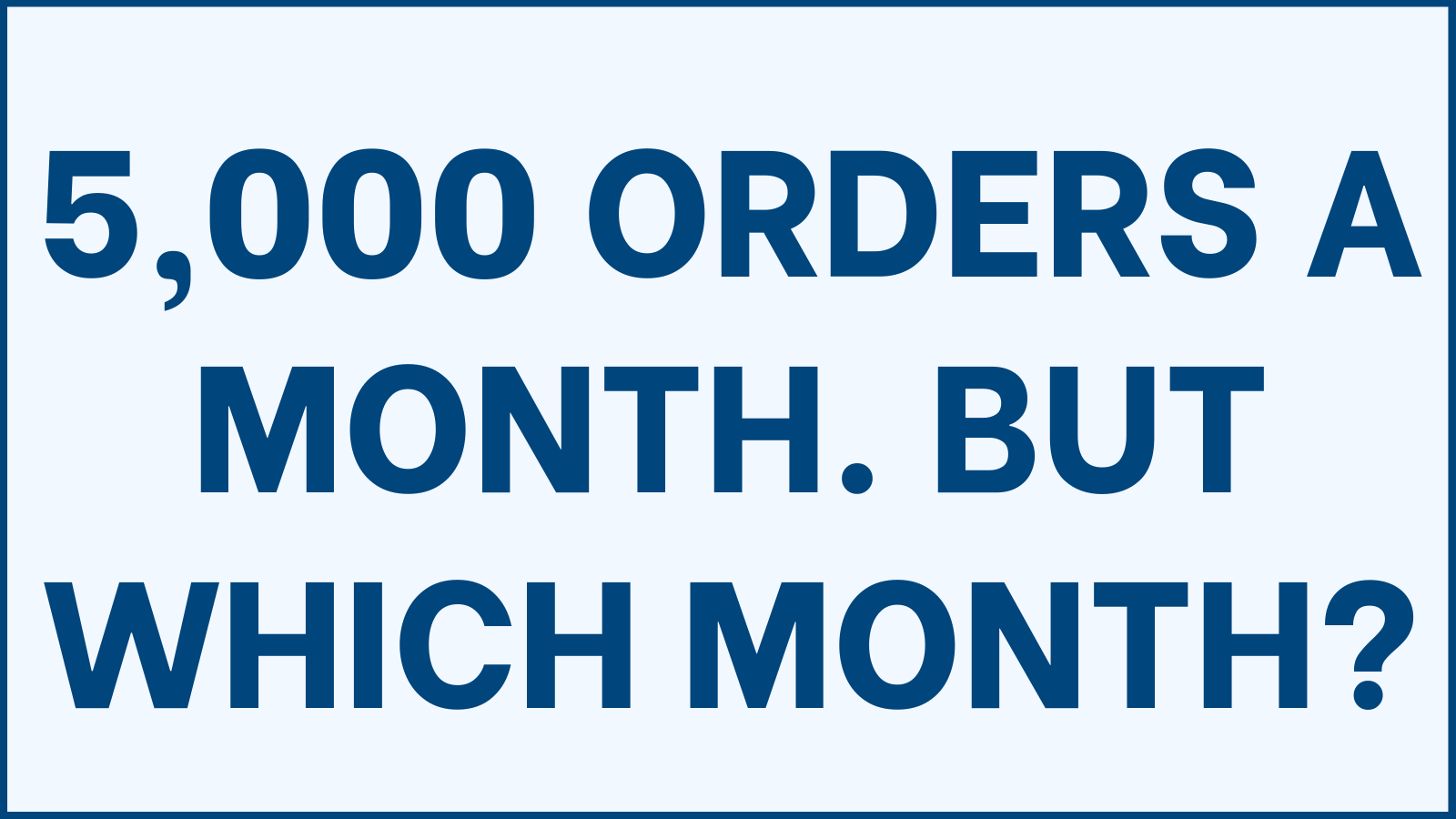
Five thousand orders a month sounds wonderfully predictable, but averages have a habit of making complicated businesses look simple.


Maybe January is quiet, spring brings a major product launch, and summer is when demand really takes off. Then a promotion performs better than expected, inventory arrives earlier than usual, or a retailer places an order that looks nothing like the ecommerce orders moving through the building every day. By the end of the year, the monthly average might still be 5,000 orders, but very few months actually looked average.


For a 3PL, that difference matters.


Harrison Smith, Director of Commercial Revenue at Barrett Distribution Centers, spends much of his time looking at the numbers behind a brand and understanding what those numbers actually say about the operation. With roughly 20 years of experience in the 3PL industry, Harrison has learned that order volume alone rarely tells the entire story.


“When I work with brands, I wanna understand everything about the business.”


That means looking beyond the average and finding the rhythm underneath it.


Averages Can Make Peaks Disappear

Imagine two brands that each ship 60,000 orders annually. On paper, both average 5,000 orders per month, so their fulfillment needs might initially appear similar.


Look closer, and they could be completely different businesses.


One might consistently ship around 5,000 orders every month, while another moves a significant portion of its annual volume during a handful of promotions or seasonal peaks. The total is the same, but the way inventory, people, space, and orders move through the warehouse is not.


That is why Harrison looks at more than annual totals when learning about a prospective customer.


“It’s looking at yearly trends, looking at within the year, what does that look like? Do you have those peaks?”


Those peaks tell a 3PL when the business changes pace. They also help reveal what has to happen before demand arrives, because a busy sales month does not begin when the first customer places an order. Inventory may need to arrive weeks or months earlier, warehouse space needs to be available, and the operation needs enough time to receive and prepare that product.


Your Busiest Month Might Not Be December

Peak season is often treated as another name for the holidays, but every brand has its own calendar.


A swimwear company may experience its most important stretch during warmer months. An apparel brand might revolve around seasonal collections and launches. Another business may see dramatic spikes around promotions, retailer orders, or events that have nothing to do with the traditional holiday rush.


Harrison brings up exactly that distinction when talking with brands.


“When do you need to bring your inventory in to service that holiday peak, or is it a summer peak because you sell swimsuits or whatever it might be?”


That question sounds simple, yet the answer can influence much more than outbound order volume. If a large amount of inventory arrives ahead of a peak, the warehouse needs somewhere to put it. If demand suddenly accelerates, more handling work follows. If the brand operates across several sales channels, the profile can become even more nuanced.


Understanding when those moments happen gives the 3PL a much clearer picture of the business it is preparing to support.


The Story Is Usually in the Details

Order history becomes far more useful when it has context.


What caused last year's spike? Was it expected? Is it likely to happen again? Did a promotion create the increase, or did a new sales channel change the business permanently? When does inventory normally arrive ahead of those periods? Are there months when products sit longer before demand catches up?


At Barrett, those conversations are part of understanding the operation before making assumptions about it. Harrison is admittedly a “data nerd,” but his interest in the numbers is ultimately about making the information useful.


“The better you understand the data, the better the quote we can offer.”


When a brand provides only a partial picture, a 3PL has to fill in the blanks. Harrison explains that those assumptions tend to be conservative because the provider does not want to promise an operation that the available information cannot support. More complete data allows the conversation to become more precise.


As Harrison puts it,

“the better the data, the better our pricing.”


Give Your 3PL the Real Version of Your Business

There is nothing wrong with knowing your average monthly order volume. It is a useful number.

It just should not be the end of the conversation.


Show your 3PL the unusually busy months and the surprisingly quiet ones. Talk about the promotion that changed everything for a week. Explain when inventory begins arriving before your biggest selling season and whether a retailer order can suddenly change the shape of the month. If your business is seasonal, say so. If it is unpredictable, that is useful information too.


Your business is constantly moving, and the numbers should tell that story. When your 3PL understands the peaks, patterns, and changes behind the average, they can prepare for the business you actually have, not the one a spreadsheet suggests.


Looking for a 3PL that takes the time to understand your business?

Tell us where you are today, where you want to go, and what you need from your fulfillment partner.


Start a conversation with Barrett Distribution Centers.


Recent Blog Posts
By Faith Artieda • September 28, 2026
A great 3PL partnership is easy to talk about when everything is going according to plan. Orders are shipping, inventory is moving, customers are happy, and everyone can comfortably use words like collaboration and partnership. The more revealing moments tend to come later. What happens when a business becomes more complex? When new sales channels emerge, seasonal inventory arrives while last season's products are still moving out, customization becomes more ambitious, or an unexpected problem lands on everyone's desk? For SCOUT Bags , those questions are particularly relevant. The 22 year old, family owned brand has built its business around colorful, durable bags and accessories designed to combine function and fashion. Its products move through several channels, including direct to consumer, Amazon, more than 1,500 retailers, key accounts, and a growing corporate gifting and customization business. Each channel brings different expectations, timelines, and fulfillment requirements. As SCOUT President Kate explained in a recent conversation with Barrett, the company likes to call itself “a complicated little business.” And complicated businesses need partners willing to understand the complications. Growth Changes What You Need From a 3PL Before coming to Barrett, SCOUT had spent years with another fulfillment provider, growing from a much smaller company into the multifaceted brand it is today. Eventually, the business had evolved enough that SCOUT began looking for something different.  The goal was not simply to find another warehouse.
By Faith Artieda • September 25, 2026
Culture can sound like one of those things that belongs in an employee handbook or on a poster in the break room. Important internally, perhaps, but what does it have to do with the company trusting a 3PL to fulfill thousands of customer orders? Quite a lot, actually. Inside a warehouse, culture quietly influences how people communicate when an order goes wrong, whether someone feels comfortable raising a concern before it becomes a larger problem, how seriously teams take the details of a customer's account, and whether employees see themselves as simply completing a task or taking responsibility for an outcome. Customers may never witness those interactions, but they experience the consequences of them every day. At Barrett Distribution Centers, that connection between culture and customer experience is intentional. Adam Robertson, Vice President of Customer Experience, describes it as something that begins with leadership and travels throughout the organization. “Culture that comes all the way from the top. Our vision statement is to wow our customers. That comes from the top.” Culture Eventually Finds Its Way to the Customer Think about everything that can happen between an order being placed and a package reaching someone's doorstep. There are systems communicating, inventory being located, products being picked, packaging decisions being made, carrier requirements being followed, and people responding when something does not go exactly according to plan. Technology supports that work, but people bring it to life. For Barrett, the guiding vision is to “WOW our customers, partners, and fellow employees with every interaction.” The company's five core values build on that idea through continuous improvement, integrity, dedication to the customer, ownership, and open and honest relationships. Those values become especially meaningful when fulfillment gets complicated. During an easy day, almost any operation can look impressive. What happens during the difficult one? When volume unexpectedly increases, a retailer requirement changes, an inventory question appears, or a customer needs an answer quickly, the habits established within a company begin to show. Does someone take ownership? Do teams communicate openly? Are people willing to raise their hands and solve the problem? That is culture in practice. Give People a Reason to Care About the Outcome Interestingly, one of Barrett's core values is “I Am an Owner.” Barrett operates with an open book philosophy, sharing financial results with employees and allowing them to participate in the company's success when financial goals are achieved. The idea is larger than financial transparency. Barrett wants employees to think and behave with the responsibility of an owner. That sense of involvement has been reinforced through Barrett's participation in The Great Game of Business for the past 20 years. Weekly huddles, forecasting, scoreboards, and other practices give employees greater visibility into how the company performs and how their individual work contributes to a larger result.
By Faith Artieda • September 24, 2026
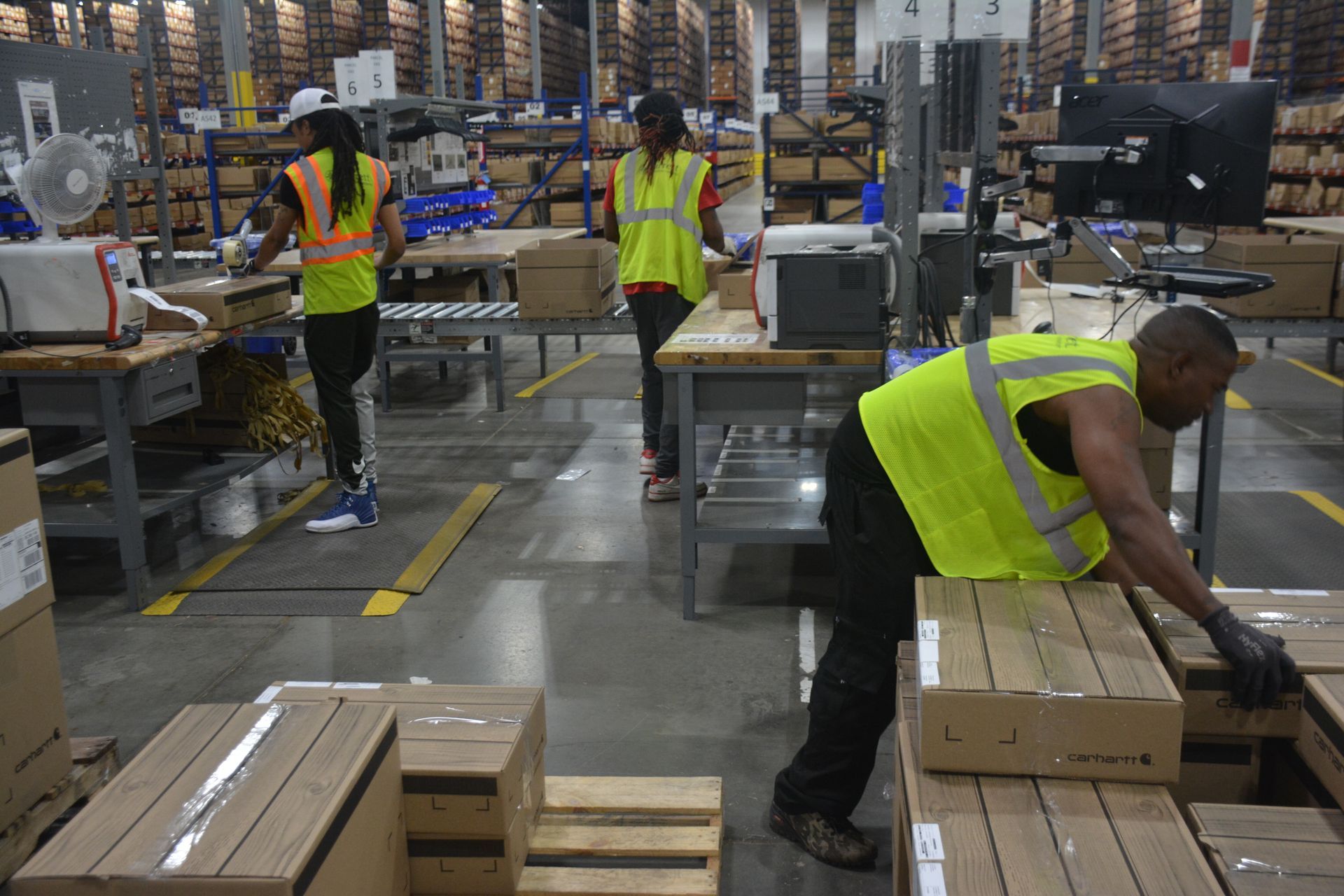
Every 3PL can build an impressive presentation. You can review technology, locations, capabilities, services, and carefully selected photographs of the operation, all without ever stepping inside the building. Those details matter, of course, but they only tell part of the story. What happens when you leave the presentation behind and actually walk through the warehouse? Almost immediately, fulfillment becomes more tangible. Instead of hearing how an operation works, you can watch it unfold around you. Inventory is being received, orders are moving through the building, teams are communicating, and the people who could eventually be responsible for your products are doing the work right in front of you. For a prospective customer, that experience can reveal far more than another slide ever could. That philosophy is one of the reasons Barrett Distribution Centers hosts open houses. Mary Glenn, Director of Business Development at Barrett, recently reflected on Barrett's Memphis open house and explained that the intention was never to bring prospective customers into a building just to deliver another sales presentation. “This wasn’t going to be a sales pitch. This wasn’t going to be, you know, come and get PowerPointed to death.”
More Posts