What Is a 3PL and Do You Need One?

Faith Artieda • July 3, 2026

As businesses grow, managing inventory, shipping orders, and meeting customer expectations becomes increasingly complex. That's where a third-party logistics provider, or 3PL, can make a significant difference.


A 3PL is a company that manages some or all of your supply chain operations, including warehousing, order fulfillment, transportation, inventory management, and value-added services. Instead of investing in your own warehouse, technology, and fulfillment staff, you partner with a logistics expert that has the infrastructure and expertise already in place.


So, how do you know if it's time to make the switch? If your team is spending more time packing orders than growing the business, struggling to keep up with demand, or facing rising shipping costs, partnering with a 3PL may be the next step. Businesses also turn to 3PL providers when expanding into new markets, launching new sales channels, or looking to improve delivery speed without increasing overhead.


The right 3PL does more than store inventory. It becomes an extension of your business, providing the technology, visibility, and operational support needed to scale efficiently. Features like real-time inventory tracking, transportation management, retail compliance, and value-added services help streamline operations while improving the customer experience.


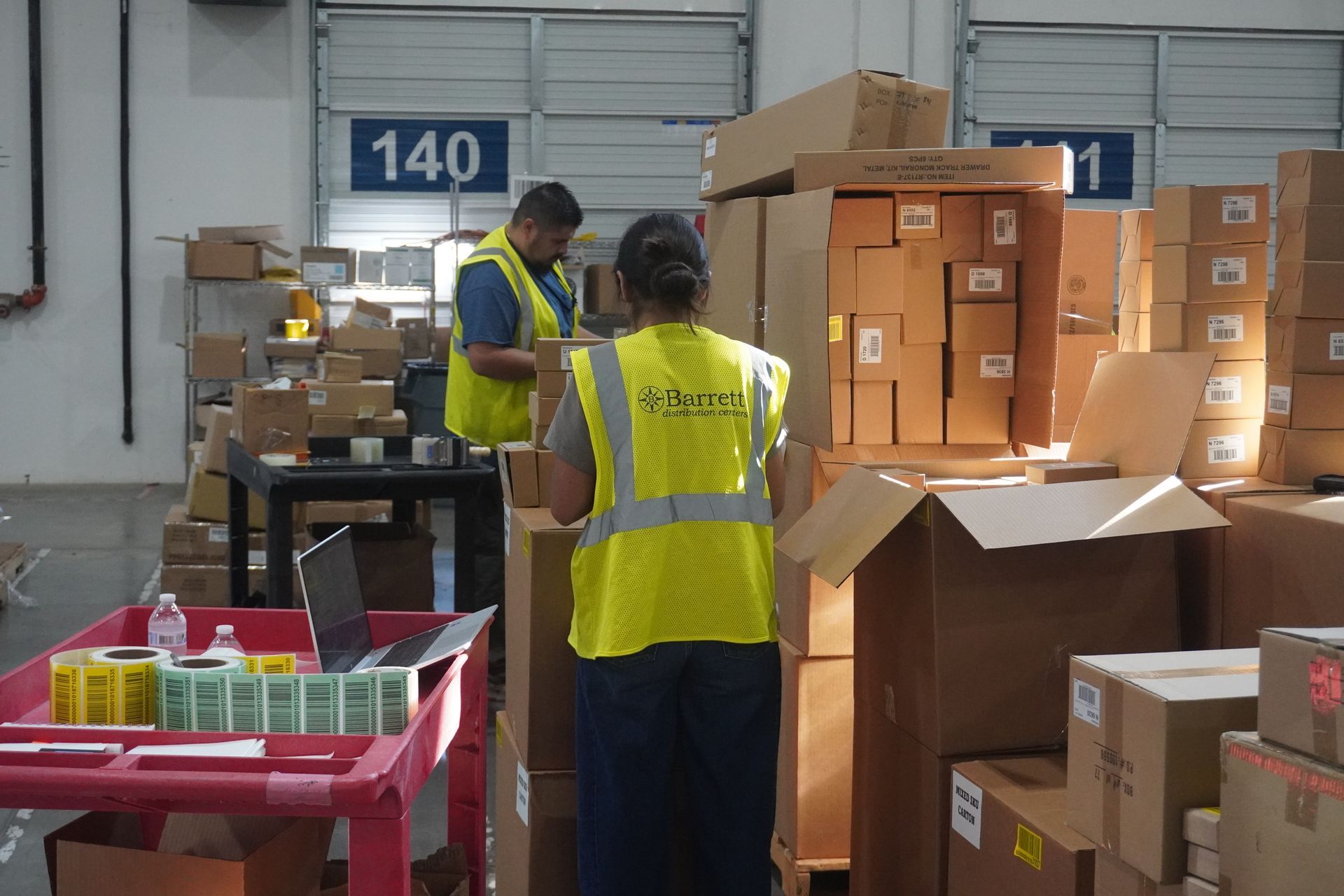
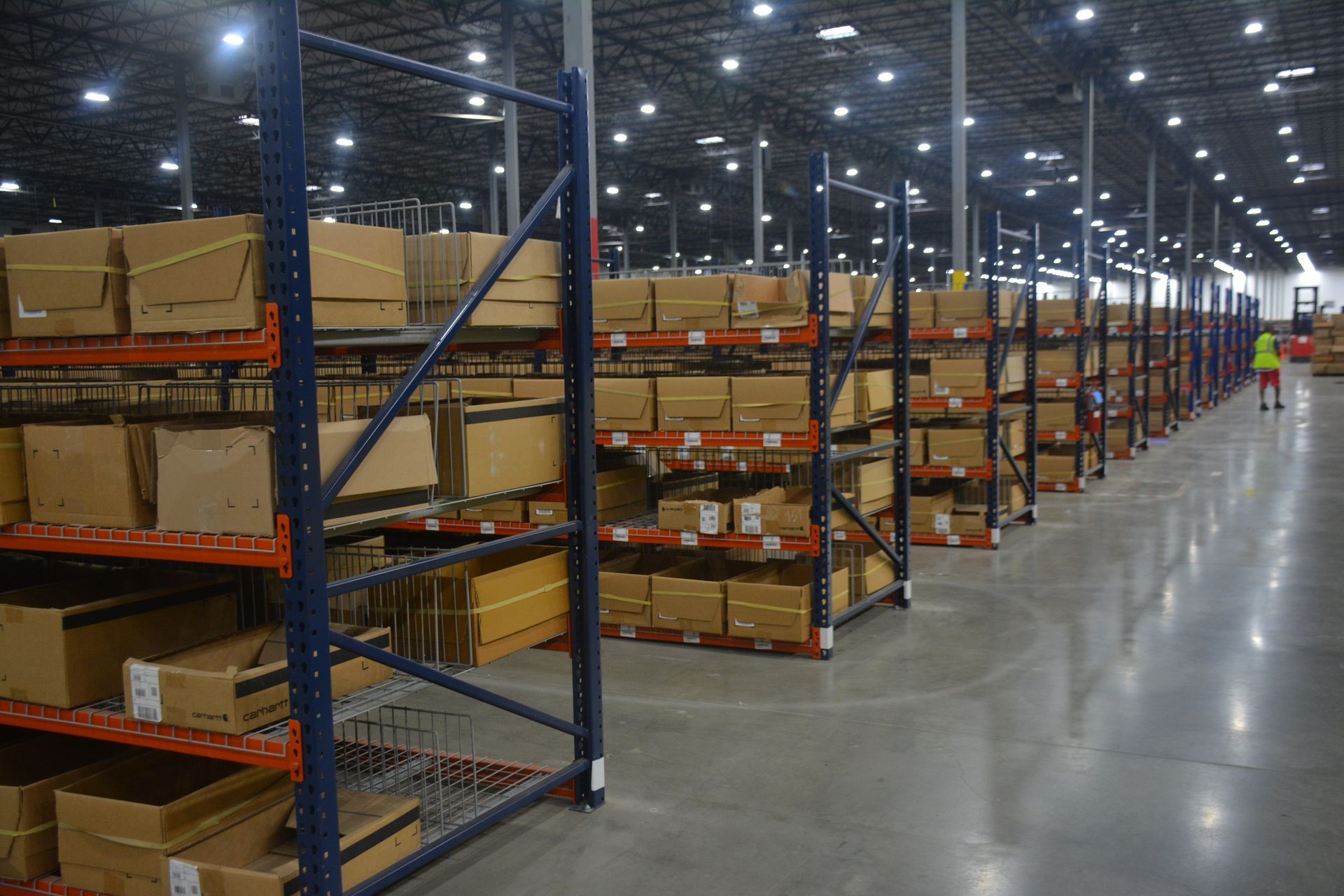
At Barrett Distribution, we provide customized third-party logistics solutions backed by more than 80 years of experience. Our nationwide network of strategically located fulfillment centers supports both B2B and direct-to-consumer operations, allowing customers to reach more consumers faster while maintaining inventory accuracy and operational efficiency. With advanced warehouse management technology, transportation solutions, and a dedicated customer support team, Barrett helps businesses simplify logistics so they can focus on growth.


Whether you're a fast-growing ecommerce brand or an established manufacturer looking to optimize your supply chain, partnering with the right 3PL can reduce costs, improve service, and position your business for long-term success.

Recent Blog Posts

By Faith Artieda • October 1, 2026
Choosing a 3PL often begins with an immediate need. Order volume may be accelerating, warehouse capacity may be narrowing, or the demands of managing fulfillment internally may be consuming time that could be better invested elsewhere in the business.  Those pressures can initiate the search, but they should not define its entire scope. A fulfillment partnership has implications that extend well beyond the problems a brand needs to solve today. As the business matures, its distribution strategy may expand, customer expectations may evolve, and an operation that once felt perfectly adequate can become increasingly restrictive. The more consequential question, then, is not simply whether a 3PL can accommodate the business as it exists now. Can it continue supporting the brand as its ambitions become larger? Katherine Wroth at Barrett Distribution Centers sees that distinction as central to building enduring customer relationships. “We really want the clients that are vested in their growth, the ones that are planning to really scale their business.” Growth Has a Way of Redefining What a Brand Needs Some companies begin searching for a 3PL amid explosive growth. Others have successfully operated their own warehouses for years, gradually adding volume and complexity until the infrastructure that once served them well begins constraining what they can pursue next. Neither scenario necessarily indicates that something has gone wrong. Sometimes, the business has simply outgrown the environment that helped it reach this point. That is why Katherine describes Barrett as a “forever 3PL,” a partner intended to remain relevant as the business evolves rather than merely providing a temporary answer to an immediate capacity problem. “We will be there through the growth and help you scale to where you want to be.” At Barrett, longevity matters. Katherine points to relationships spanning five, seven, or even 10 years as the kind of partnerships the company strives to cultivate. Over that amount of time, businesses inevitably change. The value of the relationship lies partly in whether the fulfillment operation has the flexibility and experience to change alongside them. Cost Matters. So Do Timing and Fit. Price will always occupy an important place in a 3PL evaluation. Yet reducing the decision to cost alone can overlook the broader consequences of choosing a fulfillment partner. Katherine emphasizes timing and fit as essential considerations for a lasting relationship. A provider must be appropriate for the business entering the warehouse today, but it should also possess the capabilities to support the business that may emerge several years from now. That perspective becomes especially important for brands approaching a turning point. Moving from self fulfillment to a 3PL is significant. Changing providers again after another period of growth can be equally consequential. Evaluating long-term compatibility from the beginning gives brands an opportunity to think beyond the next shipment, season, or sales milestone. Growth will inevitably reshape a business. New opportunities will emerge, expectations will rise, and fulfillment requirements will become more sophisticated. The right 3PL should not merely accommodate that evolution. It should be prepared to grow through it with you. Looking for a 3PL that takes the time to understand your business? Start a conversation with Barrett Distribution Centers.
By Faith Artieda • September 30, 2026
October has a way of making the holidays feel suddenly close. Marketing calendars are filling up. Promotions are taking shape. Black Friday and Cyber Monday plans have moved from ideas to actual deadlines, and forecasts are being revisited as brands get a clearer picture of what the final months of the year could bring. Meanwhile, somewhere in the supply chain, holiday inventory is moving too. Some of it may already be sitting in a fulfillment center. Some may be arriving this week. Other products could still be in transit, waiting to be received, or scheduled to arrive much closer to the moment customers begin looking for them. Knowing how much inventory you purchased is one thing. Knowing where it is, when it will arrive, and whether it will be ready when demand arrives is another. Peak Season Starts Before the Orders Do Holiday fulfillment conversations naturally focus on outbound orders. How many orders will come in? How quickly can they ship? What happens if a promotion performs better than expected? Those questions matter, but they begin in the middle of the story. Before an order can leave a fulfillment center, inventory has to get there. It needs to be received, accounted for, stored, and ready to move when customers start buying. During a busy season, that incoming flow of product can be just as important as what is heading out the door. Harrison Smith , Director of Commercial Revenue at Barrett Distribution Centers, looks closely at those patterns when learning about a brand. With roughly 20 years in the 3PL industry, he knows that understanding peak is about more than identifying the busiest sales month. As Harrison puts it, “When do you need to bring your inventory in to service that holiday peak, or is it a summer peak because you sell swimsuits or whatever it might be?” The question is simple, but it changes the conversation. If November is your busiest month, what needs to happen in October? And what needed to happen before that? Where Is Your Inventory Right Now? By October, brands should have more than a holiday sales forecast. They should have a clear picture of the inventory expected to support it. That means understanding what has already arrived, what is still on the way, and whether any incoming products could create pressure as holiday activity increases. This is where averages can become misleading. A brand might know its typical monthly inventory or order volume, but peak rarely behaves like a typical month. Harrison emphasizes the importance of looking deeper into the patterns behind the numbers. “It’s looking at yearly trends, looking at within the year, what does that look like? Do you have those peaks?” For holiday planning, those peaks can happen on both sides of the warehouse. Orders may increase just as large amounts of inventory arrive. Suddenly, the operation is balancing receiving, storage, picking, packing, and shipping during the same critical stretch. Visibility helps everyone understand what is coming before the building gets busy. Give Your 3PL the Full Picture Your 3PL cannot prepare for information it does not have. If a large inventory shipment has moved later than originally expected, communicate it. If a promotion is likely to concentrate demand around certain products, share that information. If this year's assortment or sales strategy looks substantially different from last year's, make sure your fulfillment team knows that too. Harrison describes himself as a “data nerd,” and his approach is rooted in understanding as much of the business as possible. “When I work with brands, I wanna understand everything about the business.” That does not mean brands need to predict every holiday order perfectly. Forecasts change. Promotions surprise people. Products sell differently than expected. The goal is not perfect foresight. It is giving the people responsible for fulfillment enough information to make thoughtful decisions as conditions change. At Barrett, those conversations help our teams understand the rhythm behind a customer's business rather than viewing peak as one large number on a forecast. October Is a Good Time to Ask Better Questions Instead of asking only whether your 3PL is ready for holiday volume, October is a good time to look more closely at the inventory supporting that volume. What has arrived? What is still coming? Are there products tied to major promotions? Has anything changed since the original forecast? Are there unusual inbound shipments your fulfillment team should know about? Those conversations may not be the most exciting part of holiday planning, especially compared with campaigns, product launches, and sales goals. Still, they help create the conditions for all of those plans to work. Because by the time a customer clicks buy , a surprising amount of the work behind that order should already be finished. Your holiday inventory should not simply be on its way. You should know where it is, when it is arriving, and what happens next. Looking for a 3PL that takes the time to understand your business? Tell us where you are today, where you want to go, and what you need from your fulfillment partner. Start a conversation with Barrett Distribution Centers.
By Faith Artieda • September 29, 2026
Five thousand orders a month sounds wonderfully predictable, but averages have a habit of making complicated businesses look simple. Maybe January is quiet, spring brings a major product launch, and summer is when demand really takes off. Then a promotion performs better than expected, inventory arrives earlier than usual, or a retailer places an order that looks nothing like the ecommerce orders moving through the building every day. By the end of the year, the monthly average might still be 5,000 orders, but very few months actually looked average. For a 3PL, that difference matters. Harrison Smith , Director of Commercial Revenue at Barrett Distribution Centers, spends much of his time looking at the numbers behind a brand and understanding what those numbers actually say about the operation. With roughly 20 years of experience in the 3PL industry, Harrison has learned that order volume alone rarely tells the entire story. “When I work with brands, I wanna understand everything about the business.” That means looking beyond the average and finding the rhythm underneath it. Averages Can Make Peaks Disappear Imagine two brands that each ship 60,000 orders annually. On paper, both average 5,000 orders per month, so their fulfillment needs might initially appear similar. Look closer, and they could be completely different businesses. One might consistently ship around 5,000 orders every month, while another moves a significant portion of its annual volume during a handful of promotions or seasonal peaks. The total is the same, but the way inventory, people, space, and orders move through the warehouse is not. That is why Harrison looks at more than annual totals when learning about a prospective customer. “It’s looking at yearly trends, looking at within the year, what does that look like? Do you have those peaks?” Those peaks tell a 3PL when the business changes pace. They also help reveal what has to happen before demand arrives, because a busy sales month does not begin when the first customer places an order. Inventory may need to arrive weeks or months earlier, warehouse space needs to be available, and the operation needs enough time to receive and prepare that product. Your Busiest Month Might Not Be December Peak season is often treated as another name for the holidays, but every brand has its own calendar. A swimwear company may experience its most important stretch during warmer months. An apparel brand might revolve around seasonal collections and launches. Another business may see dramatic spikes around promotions, retailer orders, or events that have nothing to do with the traditional holiday rush. Harrison brings up exactly that distinction when talking with brands. “When do you need to bring your inventory in to service that holiday peak, or is it a summer peak because you sell swimsuits or whatever it might be?” That question sounds simple, yet the answer can influence much more than outbound order volume. If a large amount of inventory arrives ahead of a peak, the warehouse needs somewhere to put it. If demand suddenly accelerates, more handling work follows. If the brand operates across several sales channels, the profile can become even more nuanced. Understanding when those moments happen gives the 3PL a much clearer picture of the business it is preparing to support. The Story Is Usually in the Details Order history becomes far more useful when it has context. What caused last year's spike? Was it expected? Is it likely to happen again? Did a promotion create the increase, or did a new sales channel change the business permanently? When does inventory normally arrive ahead of those periods? Are there months when products sit longer before demand catches up? At Barrett, those conversations are part of understanding the operation before making assumptions about it. Harrison is admittedly a “data nerd,” but his interest in the numbers is ultimately about making the information useful. “The better you understand the data, the better the quote we can offer.” When a brand provides only a partial picture, a 3PL has to fill in the blanks. Harrison explains that those assumptions tend to be conservative because the provider does not want to promise an operation that the available information cannot support. More complete data allows the conversation to become more precise. As Harrison puts it, “the better the data, the better our pricing.” Give Your 3PL the Real Version of Your Business There is nothing wrong with knowing your average monthly order volume. It is a useful number. It just should not be the end of the conversation. Show your 3PL the unusually busy months and the surprisingly quiet ones. Talk about the promotion that changed everything for a week. Explain when inventory begins arriving before your biggest selling season and whether a retailer order can suddenly change the shape of the month. If your business is seasonal, say so. If it is unpredictable, that is useful information too. Your business is constantly moving, and the numbers should tell that story. When your 3PL understands the peaks, patterns, and changes behind the average, they can prepare for the business you actually have, not the one a spreadsheet suggests. Looking for a 3PL that takes the time to understand your business? Tell us where you are today, where you want to go, and what you need from your fulfillment partner. Start a conversation with Barrett Distribution Centers.
More Posts