What to Look for in a 3PL
Choosing a third-party logistics (3PL) provider is one of the most important decisions a growing brand can make. The right partner doesn't just ship orders—they become an extension of your business, helping you scale operations, navigate retail requirements, and create a better customer experience.
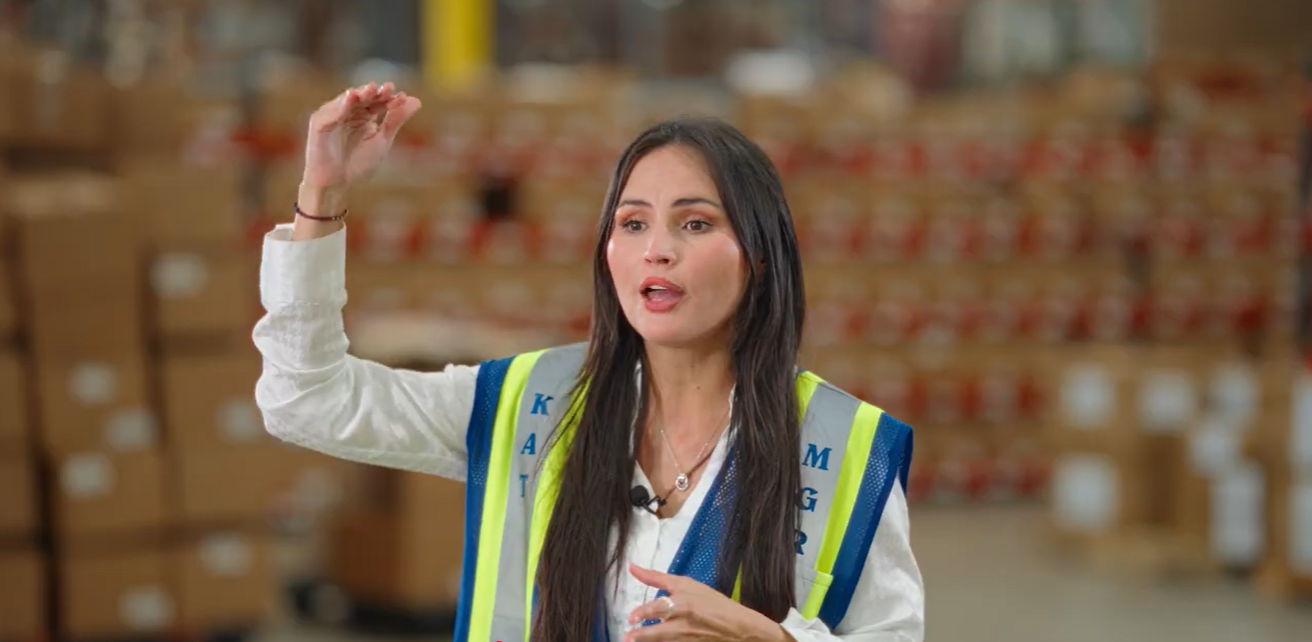
Faith Artieda, spoke with Scott Hothem, Senior Vice President of Customer Solutions, who has spent more than 14 years helping brands find logistics solutions that support long-term growth. From omnichannel fulfillment to choosing the right fulfillment partner, Scott shares what every business should know before selecting a 3PL.
A 3PL Should Be More Than a Warehouse
When companies begin searching for a fulfillment provider, many focus on the basics: warehouse locations, pricing, or square footage.
While those factors matter, Scott believes they don't tell the whole story.
"Every 3PL has warehouses, forklifts, and scanners," he explains. "The real question is whether they understand your business."
A great logistics partner takes the time to understand your products, order profiles, customers, growth plans, and operational challenges before proposing a solution. Rather than offering a one-size-fits-all pricing sheet, they build a fulfillment strategy tailored to your business.
At Barrett, that consultative approach has helped brands of all sizes successfully navigate periods of rapid growth and operational change.
Why Omnichannel Experience Matters
Today's brands rarely sell through just one channel.
A customer may place an order through your Shopify store, while another purchases the same product on Amazon. At the same time, your largest retailer may submit a purchase order for thousands of units destined for stores across the country.
Managing those channels requires more than warehouse space—it requires operational expertise.
Scott explains that omnichannel fulfillment means seamlessly managing direct-to-consumer orders alongside wholesale and retail distribution while maintaining inventory accuracy, retailer compliance, and exceptional customer service.
For brands expanding into retailers like Walmart, Target, Costco, or Nordstrom, choosing a 3PL with proven retail experience can help avoid costly compliance issues, chargebacks, and fulfillment delays.
Ask the Right Questions Before Choosing a 3PL
Instead of asking only about rates, Scott recommends asking prospective logistics providers questions like:
- Have you worked with companies similar to ours?
- How have you helped customers overcome growth challenges?
- Can your operations scale with our business?
- What retail partners do you currently support?
- What technology and reporting capabilities do you offer?
- How do you approach onboarding new customers?
These conversations reveal far more about a provider's capabilities than pricing alone.
The best 3PL relationships are built on transparency, collaboration, and shared goals—not simply transactional services.
Price Is Important—But Value Matters More
Every business wants competitive pricing, but the lowest quote isn't always the best investment.
According to Scott, fulfillment pricing should reflect the complexity of a customer's operation—not a generic menu of services.
Factors like SKU count, order volume, value-added services, inventory requirements, seasonality, and retail compliance all influence the most effective fulfillment solution.
It's one reason Barrett develops customized proposals instead of standardized rate sheets.
Scott notes that Barrett frequently reconnects with companies that initially selected a lower-cost provider only to discover that their fulfillment partner couldn't support their evolving business needs.
Look for a Partner That Can Grow With You
Growth is exciting—but it also introduces new operational challenges.
A startup shipping a few hundred ecommerce orders today may find itself fulfilling thousands of daily orders or shipping to major retailers within a few years.
Scott has seen that transformation firsthand.
Over the years, Barrett has partnered with emerging brands from their earliest stages, helping many grow into nationally recognized companies generating hundreds of millions of dollars in annual revenue.
That kind of long-term partnership is possible because Barrett focuses on building solutions that scale—not solutions that only solve today's challenges.
Technology Should Enhance the Customer Experience
Artificial intelligence has become one of the biggest conversations in logistics.
While Barrett continues investing in automation, systems integrations, data analytics, and emerging technologies, Scott believes technology should enhance—not replace—the customer relationship.
For Barrett, meaningful conversations still matter.
When prospective customers reach out, they're connected with experienced professionals who understand fulfillment strategy, supply chain challenges, and operational execution—not an automated chatbot.
Technology should make service better. It shouldn't replace the people behind it.
Barrett's Biggest Competitive Advantage: Its People
Throughout the conversation, one theme surfaced again and again: people.
After more than 80 years in business, Barrett has built its reputation on experienced employees, long-term customer relationships, and a culture centered on continuous improvement.
From warehouse associates to executive leadership, every team member plays a role in delivering exceptional customer experiences.
That people-first mindset has helped Barrett build lasting partnerships with brands across apparel, health and beauty, consumer products, food and beverage, and other industries while continuing to invest in technology, facilities, and operational excellence.
Final Thoughts
Choosing a 3PL isn't simply about finding a warehouse—it's about finding a partner that understands your business, supports your growth, and shares your commitment to customer success.
As Scott Hothem shared in this first edition of Inside Barrett, companies should look beyond pricing and ask deeper questions about experience, scalability, technology, and culture.
Because when your logistics partner succeeds, your business has the opportunity to do the same.
Stay tuned for future editions of Inside Barrett with Faith Artieda, where we'll continue introducing the experts behind Barrett Distribution Centers and answering the logistics questions that matter most to growing brands.
Recent Blog Posts