September 10, 2026
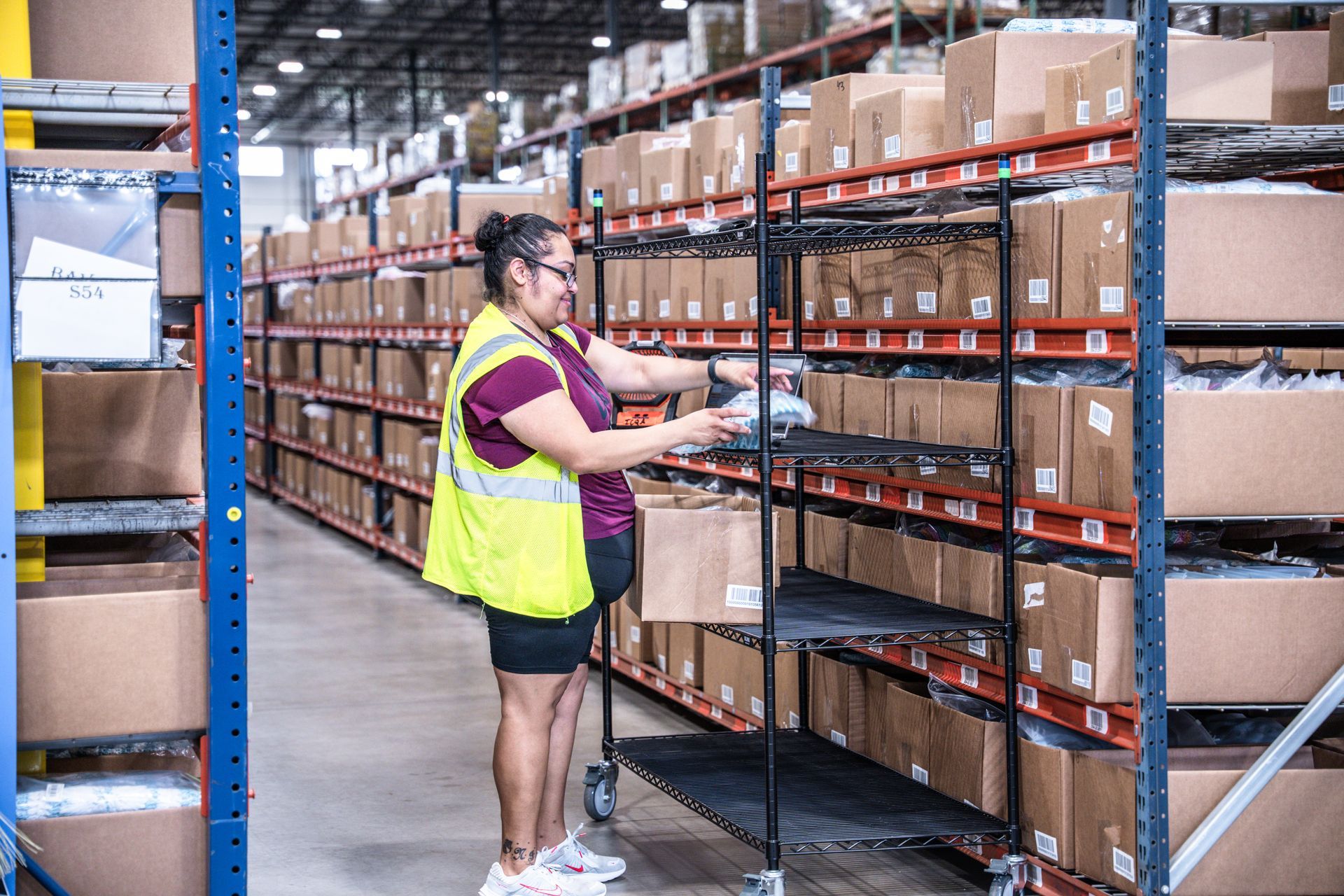
Choosing a 3PL often begins with a salesperson, a proposal, and a long list of capabilities. There are conversations about locations, technology, pricing, order volume, integrations, and everything your business might need as it grows. Those conversations are important, but they introduce you to only one part of the company you may eventually trust with your products and your customers. Once inventory arrives, the relationship becomes much bigger. There are general managers overseeing the facility, operations teams making decisions every day, systems experts supporting technology, and employees receiving, picking, packing, and shipping your products. These are the people who will learn the nuances of your business and work through the unexpected moments that inevitably come with growth. Bryan Corbett understands that distinction from both sides of the relationship. Before joining Barrett Distribution Centers, Bryan spent years as an entrepreneur running businesses that managed their own warehousing and fulfillment. He remembers unloading trucks with pallet jacks, operating his own warehouse, managing picking, and building fulfillment processes firsthand. After roughly 15 years as an entrepreneur, he moved into contract logistics, eventually joining Barrett, where he now works across sales and marketing. At the time of the conversation, Bryan had been with Barrett for about four and a half years. That operating background influences the way he approaches sales today. He knows that the person presenting the solution is only one piece of a much larger relationship. “You want to meet a good set of experts from every team because this is your supply chain. This is your company,” Bryan explained. And when you think about what a brand is actually handing over to a 3PL, that point becomes difficult to ignore. Get Beyond the Sales Conversation There is nothing wrong with having a great salesperson. That person can become an important advocate for your business and a valuable part of the relationship. But the salesperson will not be the only person responsible for delivering what was promised. Bryan is a salesperson himself, and he is remarkably straightforward about that reality. “I’m a salesperson,” he said. “So I need to know I can’t just say because I know operations.” His approach is to bring other Barrett experts into the conversation so prospective customers can hear directly from the people who understand different parts of the business. When asked about potential red flags brands should watch for when selecting a fulfillment provider, one of the first things Bryan mentioned was “not being encouraged to broadly meet larger teams besides the sales guy.” That is an important distinction because a polished sales presentation can tell you what a company is capable of doing. Meeting the people behind that presentation can help you understand what working with the company might actually feel like. Before choosing a 3PL, brands should have opportunities to: Meet facility leadership and understand who will ultimately be responsible for the building where their products are handled. Talk with operations teams about the realities and unique requirements of their business. Understand the systems support available when technology, integrations, or data questions arise. Walk the warehouse and see the environment where their inventory could eventually live. Ask who will be involved when something unexpected happens and how communication will work. Pay attention to the people and culture because those relationships will matter long after the proposal is signed. You are not trying to collect another round of rehearsed answers. You are trying to understand whether the expertise promised during the sales process actually exists throughout the organization. Walk the Building Before Your Inventory Does Bryan also believes brands should see the operation for themselves. When discussing red flags, he specifically mentioned “not doing site” visits alongside receiving prices too quickly and failing to meet the broader operations team. A warehouse tour gives a brand something a presentation cannot fully recreate. You can see how the facility operates, watch how people interact, ask questions in the environment where the work actually happens, and begin meeting the people who could eventually become responsible for your business. Bryan shared a piece of advice from a former colleague that has stayed with him: “You’re only as good as the GM in your building.” The point is not that buildings, systems, and technology are unimportant. They matter tremendously. But ultimately, people still make decisions, solve problems, communicate with customers, and determine how well those resources are used. Bryan sees that same principle within Barrett. When talking about what he enjoys most about the company, he repeatedly returns to the people around him. “Work should be fun,” he said. “You should be able to be yourself, have an opinion, have a view, have a point of view.” That sense of openness matters externally too, especially when a customer needs an answer that is more complicated than yes. A Good Partner Will Not Always Tell You What You Want to Hear One of the more revealing things Bryan says in the conversation has nothing to do with warehouse size, technology, or shipping speed. “We’ll tell you if you don’t need us.” For a sales leader, that is a meaningful statement. Bryan explains that Barrett says no to business when the fit is not right. Sometimes a company may not need a 3PL yet. Sometimes another provider may be better suited to what the business requires. For Bryan, forcing a relationship simply to win the business undermines the trust that a long term partnership eventually requires. “You show your expertise through your honesty and your trustworthiness. You can’t separate the two,” he said. That philosophy also means accepting that neither side will be perfect. Bryan is candid about mistakes and the realities of long term customer relationships. “Sometimes the customer’s not always right. And sometimes Barrett’s not always right. Sometimes we make mistakes.” The goal is not to pretend problems will never occur. It is to create enough trust between the people involved that when something does happen, everyone can communicate honestly, respond quickly, and work toward the same outcome. You Cannot Fake a Partnership The word partner appears constantly in the 3PL industry. Bryan believes the relationship behind that word has to be genuine. “You can’t fake it.” He talks about developing relationships with customers over months and years, learning about their companies, understanding what matters to their teams, and eventually reaching a point where the relationship becomes much more personal than inventory sitting inside a warehouse. That same philosophy influences the way Barrett talks about its customers publicly. Rather than making every story about Barrett, Bryan believes some of the strongest marketing comes from elevating the brands Barrett serves and allowing their success to speak for the relationship. He has seen something similar happen inside the warehouse. “I’ve seen our operators develop next level relationships with the clients,” Bryan said, explaining that those connections help “humanize the relationship.” The products stop being anonymous units moving through a building. There are people behind them. There is a business trying to grow, employees depending on its success, customers waiting for their orders, and a reputation attached to every package that leaves the facility. That understanding can change the way people approach the work. Meet the People Behind the Promise A 3PL can have impressive buildings, sophisticated technology, competitive pricing, and an extensive list of capabilities. Those things deserve careful consideration. But you are ultimately trusting people to use them well. Bryan perhaps summarizes that idea best when he talks about what successful sales relationships require: “People don’t buy from fake. You can’t speak like a robot. You have to know what you’re talking about. You have to be a human being.” Before choosing a 3PL, meet those human beings. Walk the facility. Meet the general manager. Talk with operations. Ask questions that go beyond pricing and square footage. Find out who will answer the phone when something unexpected happens and whether the people in the building understand what your products represent to your business. Because once the sales process is over, those are the people who will help turn the promises in the proposal into your customer's everyday experience.