The Importance of Packaging for E-Commerce Fulfillment
Scott Hothem • April 14, 2016
In the increasingly competitive world of e-commerce, controlling costs is essential. Remaining efficient while keeping operations costs down is what allows for lower prices and quicker delivery options. While advanced software, warehouse automation and other technological elements are very important and helpful, one often overlooked aspect of e-commerce fulfillment is packaging, and this can be an expensive oversight. A recent editorial in Modern Materials Handling discusses how costly packaging can be in your supply chain. Read the article here.
Recent Blog Posts

The Results Most brands brace for one peak season a year. The holidays hit, volume spikes and everyone holds their breath until January. SCOUT Bags does it four times. Yes, that's right, four times... Through every launch, SCOUT has maintained 99.6% DTC on-time shipping. That's while moving 120,000+ units in a two-week window and keeping the rest of the business running.
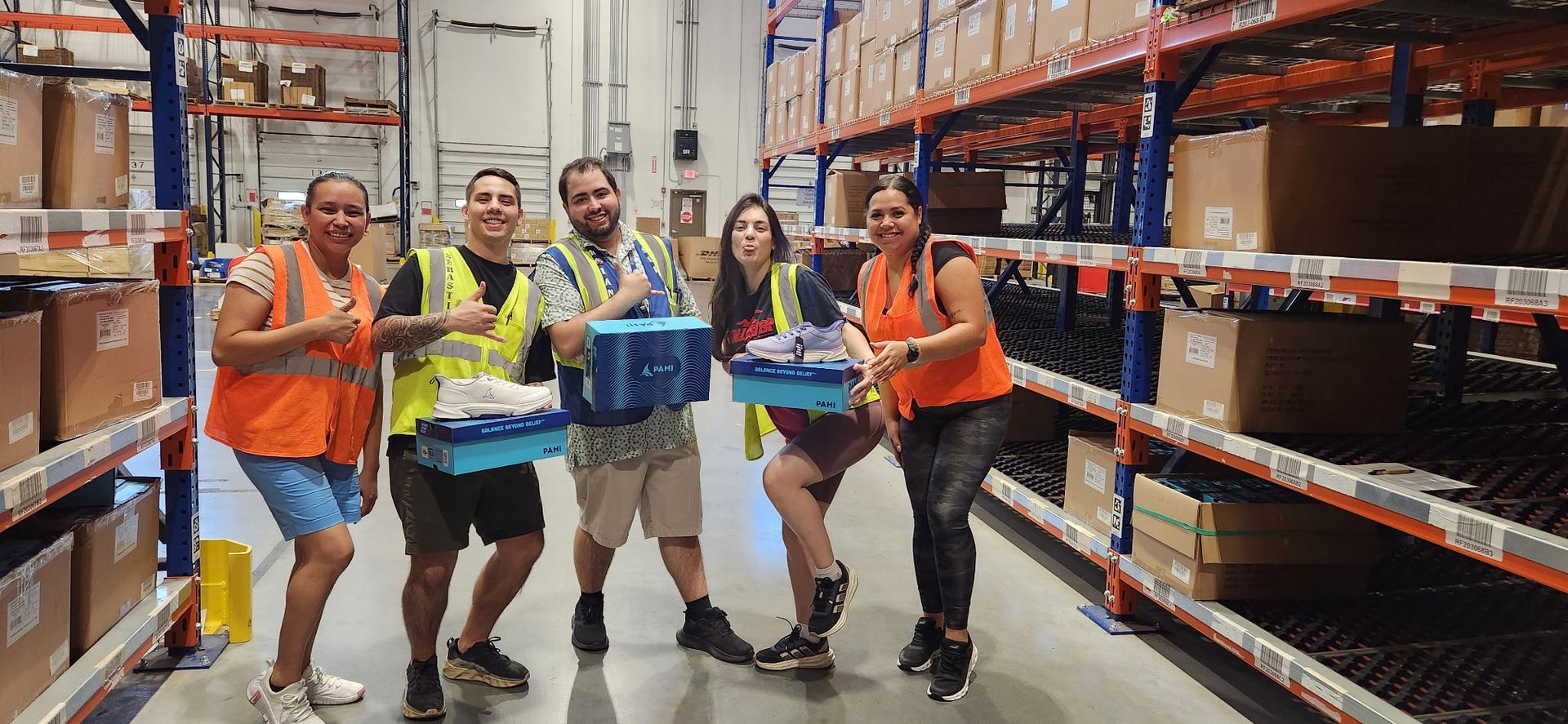
FRANKLIN, Mass., Aug. 11, 2026 — Barrett Distribution Centers , a leading third-party logistics provider specializing in eCommerce fulfillment, announced a new partnership with PAHI Footwear , an emerging footwear and wellness brand focused on balance, stability and confidence. Barrett is providing omnichannel warehousing, fulfillment and managed transportation services from its Memphis fulfillment campus to support PAHI's direct-to-consumer, independent retail and mass retail channels. "As a growing brand, choosing the right fulfillment partner was a big decision for us," said Luke Schapfel , logistics manager at PAHI. "From the beginning, Barrett took the time to understand our business and where we're headed. Their team was responsive, easy to work with and genuinely invested in helping us build the right foundation for growth. That gave us confidence we had the right partner." The implementation began in late 2025 with a phased rollout. Barrett first onboarded PAHI's direct-to-consumer (D2C) business before expanding support to independent retailers and national retail partners throughout the second and third quarters of 2026. "Barrett has a successful history working with emerging apparel and footwear brands and helping them scale across omnichannel programs," said Scott Hothem , senior vice president of customer solutions at Barrett. "We're excited to support PAHI as it builds its presence in the U.S. market from our Memphis fulfillment campus. We look forward to helping the brand grow across both direct-to-consumer and retail channels." Barrett currently supports approximately 500 SKUs of men's and women's footwear for PAHI across direct-to-consumer, independent retail and mass retail channels. The partnership provides PAHI with a scalable fulfillment foundation as the brand continues to grow across channels. About PAHI Footwear PAHI was born from a simple yet powerful vision: to create footwear that combines comfort, innovation, and stability. The brand was founded to meet the growing need for footwear that offers not only style but also balance and support, empowering people to move with confidence throughout their daily lives. Drawing inspiration from the 5000-year-old twin-hull boat technology, PAHI introduced the P.O.R.T. system, revolutionizing how shoes provide balance. About Barrett Distribution Centers Since 1941, Barrett has provided customized third-party logistics (3PL), direct-to-consumer (DTC) eCommerce fulfillment, omnichannel distribution, managed transportation solutions and retail compliance for clients across all industries, with a focus on apparel & footwear, health & beauty, consumer packaged goods (CPG) and education. Barrett continues to be a leading 3rd party logistics provider in North America, known for superior execution, customer engagement and direct access to senior leadership decision makers. As a member of Inc's fastest growing companies list 15+ times, Barrett is big enough to do the job and still small enough to deeply care about your business. Brands interested in a new 3PL partnership may contact Barrett directly here . Media Contact: Faith Artieda Marketing Content Specialist faith.artieda@barrettdistribution.com
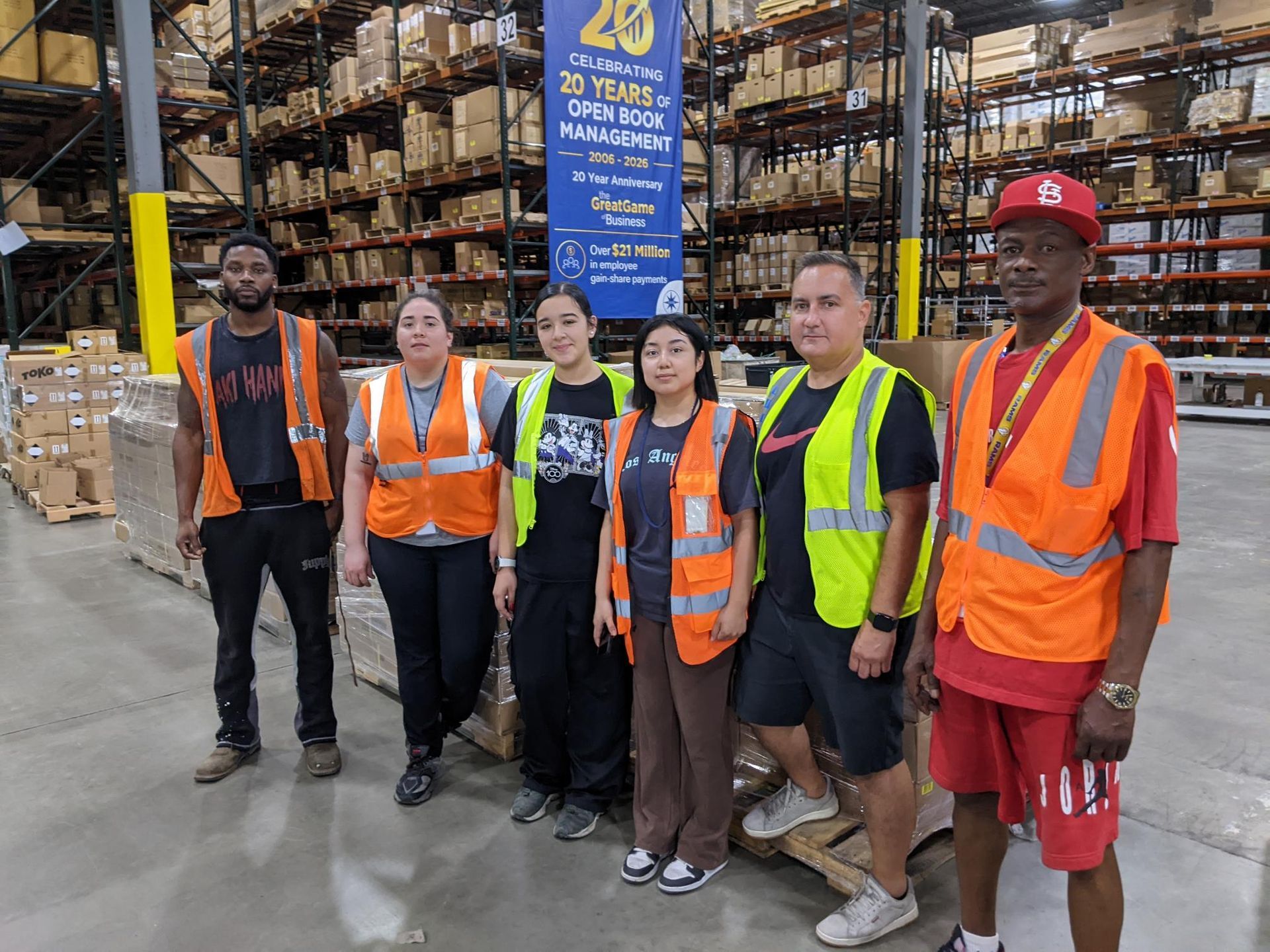
FRANKLIN, Mass., Aug. 18, 2026 - Brav , a Norwegian house of ski and outdoor brands, has selected Barrett Distribution Centers as its U.S. omnichannel fulfillment partner to support continued growth across retail and direct-to-consumer channels. Barrett will fulfill Brav's portfolio of ski wax, tuning products, technical apparel, outdoor equipment and accessories from its Memphis, Tennessee fulfillment campus. "For us, the site visit was about more than seeing a facility. It was about meeting the people we would be trusting with our brands," said Michael Bond, director of finance and operations at Brav. "The Barrett team took the time to understand what matters to us and stayed closely involved throughout the transition. That gave us a lot of confidence in the partnership and made us eager to see what's ahead." Brav's portfolio includes Swix, a recognized name in cross-country skiing for more than 75 years, alongside Toko, Ulvang, Lundhags, Helsport and other outdoor brands. Barrett's operation supports the seasonal demands of the business with retail compliance, multi-brand SKU management and temperature-sensitive handling for select wax products. "Brav has built an impressive portfolio of brands with a long history in the ski and outdoor industry, and we're proud to support the next stage of their U.S. growth," said Ed Ryan , vice president of customer solutions at Barrett. "From the beginning, our teams worked closely together to understand the seasonal demands and operational requirements of the business. We're excited about the partnership and look forward to supporting Brav and its brands for years to come." Barrett worked alongside Brav to transition the company's U.S. fulfillment operation, with team members traveling to Brav’s existing warehouse to support the transfer of inventory and operational functions. Following the onboarding process, the operation went live earlier this summer. About Brav Brav is a major player in the sports and outdoor industry and manages some of the most influential brands in the marketplace, including Swix, Toko, Lundhags and Helsport. The mission of Brav is to improve our customers’ quality of life. Acting responsibly, we do this by connecting and developing the best talents in the sport and outdoor industry supporting them to develop and produce the most innovative products and services. About Barrett Distribution Centers Since 1941, Barrett has provided customized third-party logistics (3PL), direct-to-consumer (DTC) eCommerce fulfillment, omnichannel distribution, managed transportation solutions and retail compliance for clients across all industries, with a focus on apparel & footwear, health & beauty, consumer packaged goods (CPG) and education. Barrett continues to be a leading 3rd party logistics provider in North America, known for superior execution, customer engagement and direct access to senior leadership decision makers. As a member of Inc's fastest growing companies list 15+ times, Barrett is big enough to do the job and still small enough to deeply care about your business. Brands interested in a new 3PL partnership may contact Barrett directly here . Media Contact: Faith Artieda Marketing Content Specialist faith.artieda@barrettdistribution.com