
Behind the Scenes of Ecommerce Fulfillment: From Warehouse Shelf to Doorstep

Faith Artieda • June 4, 2026
Behind the Scenes of Ecommerce Fulfillment: From Warehouse Shelf to Doorstep


When a customer clicks "Buy Now," they expect a simple outcome: the right product arrives on time and in perfect condition.


What they don't see is the complex fulfillment operation working behind the scenes to make that experience possible.

For ecommerce brands, every shipment represents more than an order. It's a promise to a customer. Whether it's a rug, a beauty product, a piece of apparel, or a food item, fulfillment has a direct impact on customer satisfaction, reviews, repeat purchases, and brand reputation.


At Barrett Distribution Centers, we help brands deliver on that promise every day.

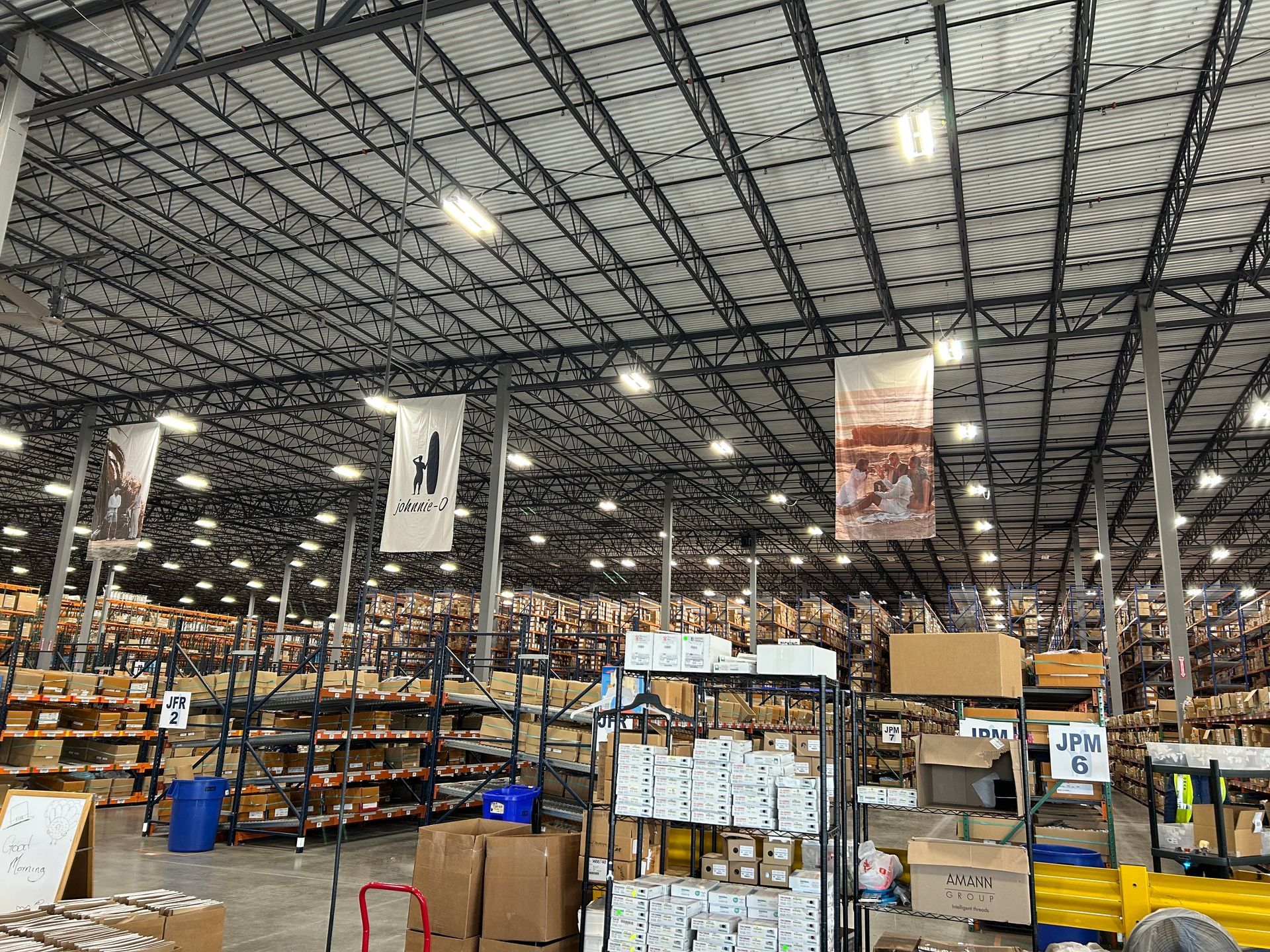
Recently, our team captured the journey of a Tumble rug moving through one of our fulfillment operations. While the process may appear seamless from the outside, each order is supported by a combination of technology, inventory management, quality controls, and experienced warehouse professionals working together to ensure accuracy and efficiency.


Great Fulfillment Starts Long Before an Order Is Placed


The customer experience doesn't begin when someone clicks "Buy." It begins with how inventory is received, organized, tracked, and managed inside the warehouse.


Accurate inventory is the foundation of successful fulfillment. If inventory data is unreliable, every downstream process becomes more difficult.


That's why Barrett invests heavily in inventory control processes, warehouse management technology, and operational discipline. From receiving and putaway to cycle counting and inventory audits, every step is designed to maintain visibility and accuracy across our customers' inventory. When an order enters the system, our teams know exactly where inventory is located and how to process it efficiently.


Technology Creates Visibility—People Create Results


Modern fulfillment requires sophisticated technology, but technology alone doesn't create a great customer experience.

Warehouse management systems, automation tools, and integrated data platforms help drive efficiency and visibility. They provide real-time information, streamline workflows, and help teams prioritize work throughout the day.


However, successful fulfillment still depends on people.


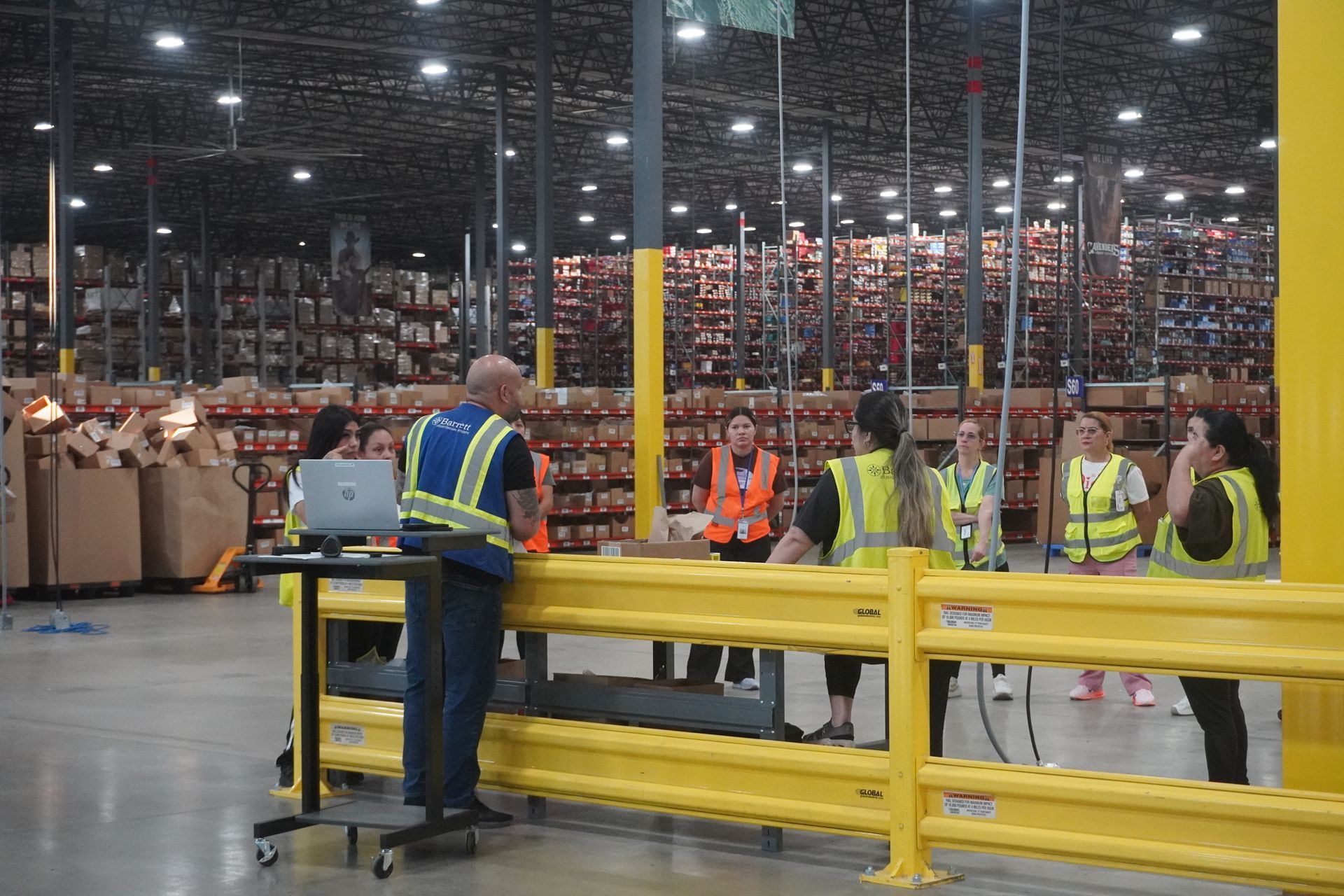
The warehouse associates, supervisors, quality teams, customer experience professionals, and operations leaders behind every shipment are what transform data into execution. At Barrett, our focus has always been on combining technology with operational expertise. The result is a fulfillment process designed to scale while maintaining high service levels and accuracy.


Quality Control Is Built Into Every Order


Customers rarely think about quality control when they receive a package. That's because the best quality processes are often invisible.


Before an order leaves the warehouse, multiple checkpoints help ensure products are picked correctly, packaged appropriately, and prepared for shipment according to customer requirements. These controls are especially important for brands that have worked hard to create a premium customer experience. The condition of a product upon arrival can significantly impact how customers perceive a brand. A damaged shipment or incorrect order doesn't just create operational costs—it can erode customer trust.

That's why quality isn't treated as a final inspection. It's embedded throughout the fulfillment process.


Every Package Represents a Brand


Third-party logistics providers don't own the brands they serve, but they play a critical role in protecting those brands. For many consumers, the delivery experience is one of the few physical interactions they have with an ecommerce company.

Packaging quality, order accuracy, delivery speed, and shipment visibility all contribute to the overall brand experience.


When a Tumble rug arrives at a customer's doorstep, the customer isn't thinking about warehouse operations. They're thinking about the brand they purchased from.


Our responsibility is to help ensure that experience reflects positively on the brand every single time.


The Goal Isn't Shipping Boxes. It's Creating Confidence.


Fulfillment is often viewed as an operational function. In reality, it's a customer experience function.


The best fulfillment operations create confidence—for customers waiting for their orders, for brands managing growth, and for teams responsible for delivering consistent results. Every order that moves through a Barrett facility represents a commitment to operational excellence, continuous improvement, and customer satisfaction.


The journey from warehouse shelf to doorstep may happen behind the scenes, but its impact is felt with every successful delivery.

Recent Blog Posts
By Faith Artieda July 16, 2026
Outsourcing warehousing isn't just for large enterprises. Businesses of all sizes turn to third-party logistics (3PL) providers when they need more space, greater efficiency, or the ability to support continued growth without investing in additional facilities. So how do you know when it's the right time? Here are some of the most common signs that outsourcing your warehouse operations could benefit your business. You're Running Out of Warehouse Space One of the clearest indicators that it's time to outsource warehousing is a lack of space. Overflow inventory, crowded aisles, and temporary storage solutions can slow operations, increase the risk of errors, and make it difficult to keep up with demand. Rather than investing in additional facilities or long-term leases, partnering with a 3PL gives your business access to scalable warehouse space that can grow alongside your needs. Order Volumes Are Increasing Business growth is exciting, but it can also put pressure on your warehouse team. As order volumes rise, maintaining fast, accurate fulfillment becomes more challenging. If your staff is struggling to keep up, shipments are being delayed, or order accuracy is declining, outsourcing warehousing can provide the resources and expertise needed to maintain service levels while supporting continued growth. Shipping Costs Continue to Rise Transportation costs are influenced by more than carrier rates. Warehouse location, inventory placement, and fulfillment efficiency all play a role in your total shipping spend. A strategically located warehouse network can reduce shipping distances, improve transit times, and help optimize transportation costs by positioning inventory closer to your customers. You're Expanding Into New Markets Whether you're entering new geographic regions, adding retail partners, or launching ecommerce sales, expansion often requires a more flexible distribution strategy. Working with a 3PL allows businesses to leverage an established warehouse network without the time and expense of opening additional facilities. This makes it easier to scale operations while maintaining consistent service across multiple channels. Your Team Is Spending Too Much Time on Logistics Warehousing involves much more than storing inventory. Managing receiving, inventory control, picking, packing, shipping, returns, labor, and transportation requires significant time and expertise. If your team is spending more time managing logistics than focusing on customers, product development, or business growth, outsourcing can free valuable internal resources while improving operational efficiency. You Need Better Visibility and Technology Today's supply chains rely on accurate, real-time information. Businesses need visibility into inventory levels, order status, shipping performance, and key operational metrics to make informed decisions. Many 3PL providers offer advanced warehouse management systems, customer portals, reporting dashboards, and transportation technology that would otherwise require substantial investment to build and maintain internally. How Barrett Helps Businesses Scale Outsourcing warehousing isn't just about creating more space. It's about partnering with a logistics provider that can help your business operate more efficiently today while preparing for future growth. For more than 80 years, Barrett Distribution has helped businesses streamline their supply chains through customized warehousing, fulfillment, and transportation solutions. With a nationwide network of strategically located facilities, advanced warehouse technology, and experienced operations teams, Barrett provides flexible solutions designed to improve inventory visibility, increase fulfillment efficiency, and support both B2B and direct-to-consumer distribution.  Whether you're experiencing rapid growth, expanding into new markets, or simply looking for a more efficient way to manage your supply chain, outsourcing warehousing can help position your business for long-term success. The right 3PL partner doesn't just store inventory—it becomes an extension of your team, helping you adapt, grow, and meet customer expectations with confidence.
By Faith Artieda July 15, 2026
As businesses grow, managing warehousing, inventory, transportation, and order fulfillment becomes increasingly complex. Rather than investing in additional warehouse space, hiring more employees, or managing multiple shipping carriers, many companies partner with a third-party logistics provider, commonly known as a 3PL. But what exactly does a 3PL do, and how can it benefit your business? What Is a 3PL? A third-party logistics provider is a company that manages all or part of a business's supply chain operations. Instead of handling logistics in-house, businesses outsource services like warehousing, inventory management, order fulfillment, transportation, and returns to a trusted logistics partner. A 3PL acts as an extension of your business, helping move products from suppliers to customers as efficiently and accurately as possible. What Services Does a 3PL Provide? While every provider offers different capabilities, most 3PLs deliver a combination of services that simplify supply chain operations. Warehousing is one of the core services, providing secure storage for inventory in strategically located facilities. A well-positioned warehouse network helps reduce shipping times and transportation costs while keeping products closer to customers. Order fulfillment is another essential function. When an order is placed, the 3PL picks, packs, and ships the product quickly and accurately. Many providers support both business-to-business (B2B) and direct-to-consumer (DTC) fulfillment, allowing companies to serve multiple sales channels from a single inventory. Many 3PLs also manage transportation by coordinating shipments, selecting carriers, tracking deliveries, and helping optimize freight and parcel costs. Additional services often include inventory management, returns processing, retail compliance, kitting and assembly, labeling, and other value-added services that help businesses operate more efficiently. Why Do Companies Use a 3PL? Partnering with a 3PL allows businesses to focus on what they do best while leaving logistics to experienced professionals. Instead of investing significant capital in warehouses, equipment, and labor, companies gain access to established facilities, advanced technology, and experienced operations teams. This often leads to improved efficiency, greater flexibility, and the ability to scale as demand changes. A 3PL can also help businesses improve shipping performance, increase inventory visibility, and reduce operational complexity across multiple sales channels. Is a 3PL Right for Your Business? Many companies begin exploring third-party logistics when they experience rapid growth, expanding order volumes, or increasing customer expectations. You may benefit from partnering with a 3PL if you're running out of warehouse space, spending too much time managing fulfillment, shipping nationwide from a single location, or preparing to enter new retail channels. Businesses that experience seasonal spikes or want to improve delivery speed often find that outsourcing logistics provides the flexibility they need without the expense of building additional infrastructure. Choosing the Right 3PL Partner Not all logistics providers offer the same level of service. When evaluating a 3PL, it's important to consider more than warehouse space alone. Look for a provider with strategically located facilities, proven experience across multiple industries, modern warehouse and transportation technology, strong customer support, and the ability to scale alongside your business. The right partner should be focused on improving your supply chain, not simply storing and shipping products. How Barrett Supports Growing Businesses  For more than 80 years, Barrett Distribution has helped businesses simplify their supply chains through customized third-party logistics solutions. With a nationwide network of strategically located fulfillment centers, advanced warehouse and transportation management technology, and expertise in both B2B and direct-to-consumer fulfillment, Barrett partners with companies to improve efficiency, increase inventory visibility, and deliver exceptional customer experiences. Whether you're looking to outsource fulfillment for the first time or optimize an existing distribution network, the right 3PL partner can help reduce complexity, improve service levels, and position your business for long-term growth.
By Faith Artieda July 14, 2026
Shipping costs continue to be one of the biggest expenses for manufacturers, retailers, and ecommerce businesses. While carrier rates often receive the most attention, the location of your warehouse and the way your fulfillment operation is managed can have an even greater impact on your overall transportation spend. By optimizing where inventory is stored and how orders are fulfilled, businesses can reduce shipping costs without sacrificing service levels. Store Inventory Closer to Your Customers One of the most effective ways to lower shipping costs is to reduce the distance packages travel. When inventory is positioned closer to customers, shipments can often be delivered faster while reducing transportation expenses. Many growing businesses choose to distribute inventory across multiple warehouse locations rather than relying on a single distribution center. This strategy helps shorten transit times, improve delivery performance, and reduce the need for expensive expedited shipping. Optimize Inventory Placement Not every product needs to be stocked in every warehouse. Analyzing customer demand by region allows businesses to place inventory where it is needed most, reducing unnecessary transportation and improving order efficiency. A strategic inventory placement plan can also help balance stock levels across facilities, minimizing costly transfers and improving product availability. Improve Order Fulfillment Efficiency An efficient warehouse operation can also contribute to lower shipping costs. Accurate inventory management, streamlined picking processes, and organized workflows help orders move through the warehouse quickly and correctly. Reducing fulfillment errors minimizes reshipments, returns, and additional transportation costs while improving the customer experience. Leverage Multiple Carrier Options Every shipment is different. The ability to compare carriers, service levels, and shipping methods allows businesses to select the most cost-effective option for each order. Working with a third-party logistics provider that utilizes transportation management technology can help identify opportunities to optimize parcel and freight shipments while maintaining reliable delivery performance. Use Data to Make Smarter Shipping Decisions Modern warehouse technology provides valuable insights into shipping performance, inventory trends, and transportation costs. By monitoring key performance indicators such as shipping expenses, order volume, transit times, and inventory levels, businesses can identify opportunities to improve efficiency and reduce costs over time. Access to real-time reporting also enables faster decision-making and supports continuous supply chain improvement. Partner with the Right 3PL Reducing shipping costs is about more than negotiating carrier rates. It requires the right combination of warehouse locations, operational expertise, technology, and transportation strategy. Barrett Distribution helps businesses optimize their distribution networks through a nationwide footprint of strategically located fulfillment centers, advanced warehouse and transportation management systems, and decades of logistics experience. By designing customized fulfillment solutions based on each customer's unique requirements, Barrett helps companies improve delivery performance, increase inventory visibility, and lower total supply chain costs.  As shipping costs continue to rise, taking a strategic approach to warehousing and fulfillment can make a measurable difference. The right warehouse partner doesn't just move products—it helps create a more efficient, cost-effective supply chain that supports long-term growth.
More Posts