
Your Inventory Is in the Warehouse. Can Your 3PL Actually Find It?
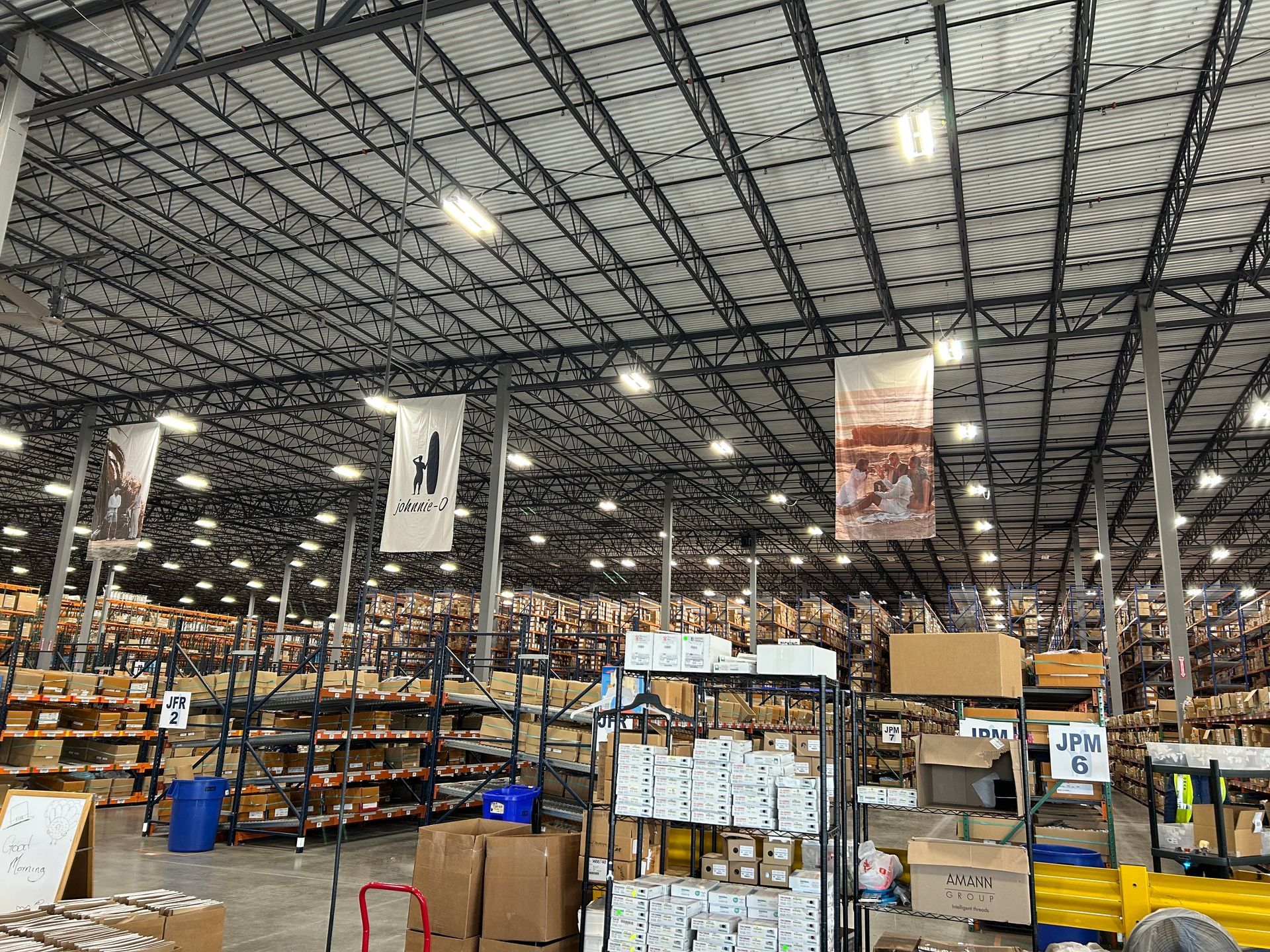
A product can be physically present in a warehouse and still be unavailable when a customer wants to purchase it.
That frustrating contradiction often traces back to inventory accuracy.
When warehouse records fail to reflect the precise location or quantity of merchandise, even a well-stocked facility can struggle to fulfill orders reliably.
Products may be physically present but incorrectly assigned to storage locations, recorded under inaccurate quantities, or overlooked during routine inventory movements. These discrepancies can create unnecessary delays as warehouse associates investigate missing items, reconcile conflicting records, or search for merchandise that should have been readily accessible.
For ecommerce and retail brands, inventory control deserves far more attention than it typically receives during the search for a third-party logistics provider.
The Hidden Work Behind Every Accurate Order
Inventory accuracy depends on thousands of seemingly ordinary activities: receiving merchandise correctly, assigning storage locations, recording movements, and routinely verifying that physical inventory matches system records.
Bill Johnson, Vice President of Operations at Barrett Distribution Centers, considers inventory control and cycle counting among the most underestimated aspects of warehouse management.
He explains that accurate records help ensure products can be
“located, found and sold when needed to be.”
Without that discipline, inventory discrepancies can lead to delayed shipments, unnecessary investigations, and missed sales opportunities.
Accuracy Is Built Through Consistency
Achieving reliable inventory records requires sustained attention, particularly in facilities handling thousands of SKUs and frequent inventory movements.
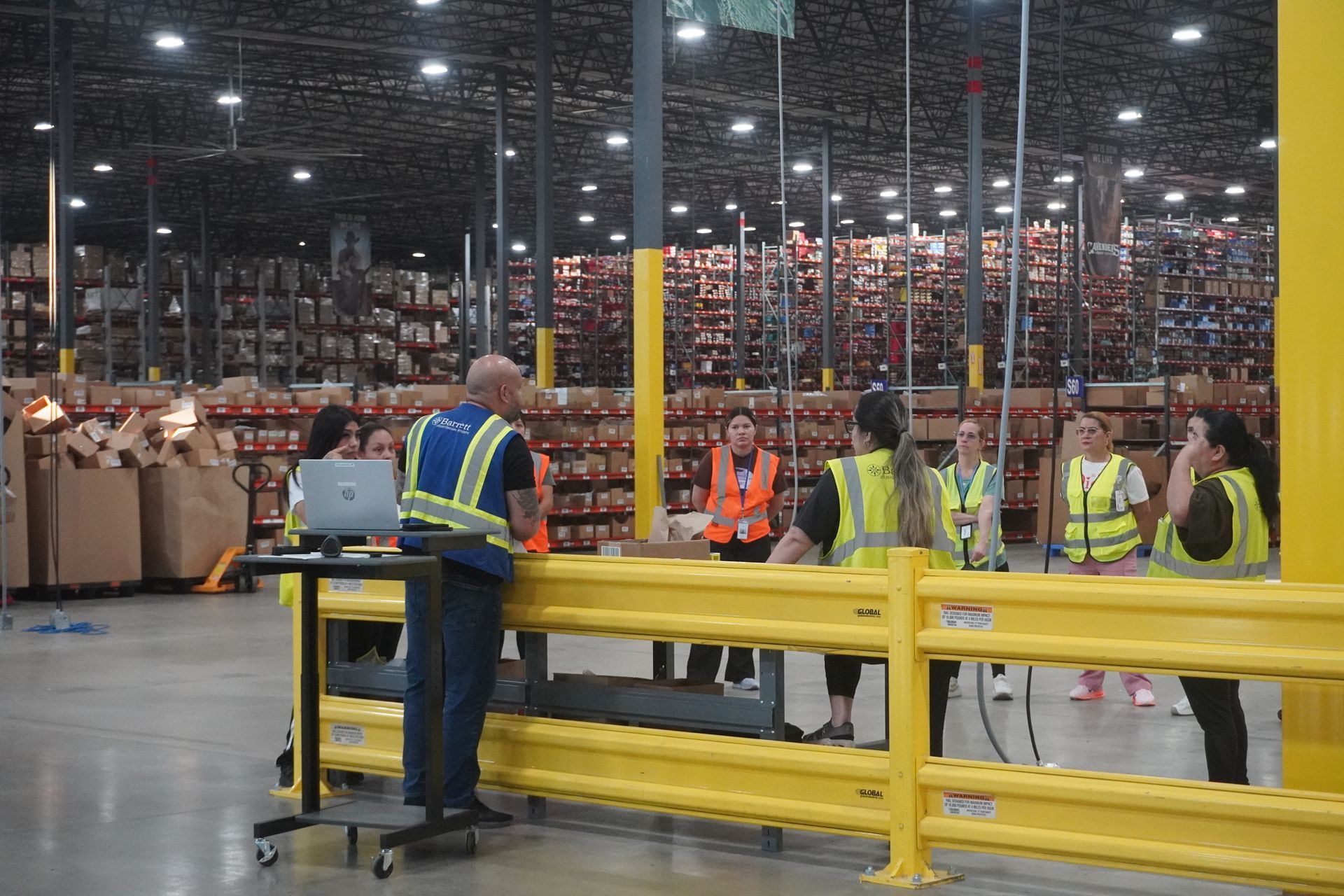
James Rapoza, Barrett's Vice President of Business Process Optimization, describes how the company has strengthened location-level accuracy through disciplined warehouse practices, improved location maintenance, and technologies such as inventory-monitoring drones.
According to Rapoza, some Barrett facilities have achieved 99.9% location-level inventory accuracy, reflecting the combined contributions of warehouse associates, inventory control teams, and process improvement specialists.
Technology supports those efforts, but consistent execution remains indispensable.
Inventory Visibility Protects More Than Products
When a customer places an order, they expect the advertised merchandise to be available and ready to ship. They rarely consider the cycle counts, inventory adjustments, or location verification that make that promise possible.
For brands selecting a 3PL, understanding how a provider maintains inventory accuracy deserves the same level of scrutiny as its shipping capabilities, warehouse capacity, and technology infrastructure. A fulfillment partner should be able to show how it tracks inventory, how often it conducts cycle counts, and what procedures it uses to identify and resolve discrepancies before they disrupt customer orders.
A dependable inventory control program helps preserve the connection between what a brand believes it has available and what its fulfillment operation can actually deliver.
Inventory only delivers its full value when you can confidently locate it, sell it, and fulfill the orders your customers are counting on.
Looking for a 3PL that takes the time to understand your business?
Start a conversation with Barrett Distribution Centers.
Recent Blog Posts