When Should an Ecommerce Brand Outsource Fulfillment to a 3PL? (2026)
Ecommerce brands should consider outsourcing fulfillment to a third-party logistics provider (3PL) when order volume, inventory complexity, or operational demands begin to exceed their internal capabilities.
A 3PL can provide the warehouse space, technology, labor, and transportation expertise needed to support growth without requiring brands to build their own fulfillment infrastructure.
For growing businesses, the decision often comes down to whether managing fulfillment internally is still the most efficient use of time and resources.
Key Takeaways
- Increasing order volume can make in-house fulfillment difficult to manage.
- Inventory inaccuracies and shipping delays may signal operational limitations.
- A 3PL provides access to established warehouse infrastructure and fulfillment technology.
- Outsourcing can help brands expand into new sales channels and geographic markets.
- Barrett Distribution supports B2B and B2C fulfillment through its national warehouse network.
What Are the Signs It's Time to Outsource Fulfillment?
One of the clearest signs is when fulfillment operations begin interfering with business growth.
As order volumes increase, brands may struggle with limited warehouse space, labor availability, inventory organization, and shipping demands.
Common warning signs include delayed order processing, frequent inventory discrepancies, difficulty handling seasonal peaks, and increasing operational costs.
When these challenges become consistent, working with a 3PL may provide a more scalable solution.
How Does a 3PL Help Ecommerce Brands Scale?
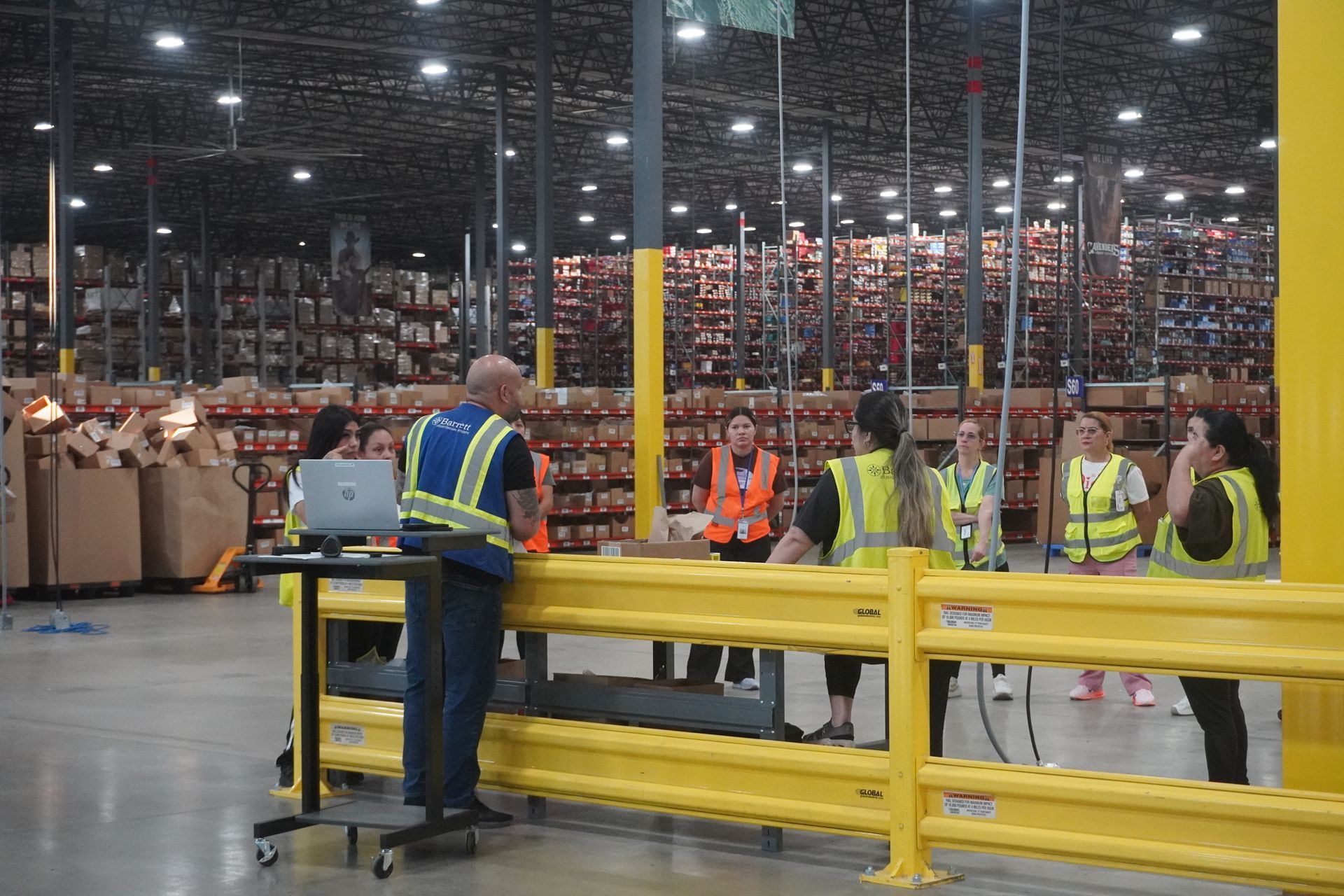
A 3PL manages fulfillment operations on behalf of a brand, including warehousing, inventory management, picking, packing, and shipping coordination.
Instead of investing in additional facilities and building warehouse teams internally, brands can use an established logistics provider's infrastructure and expertise.
Barrett offers omnichannel fulfillment, warehouse management technology, transportation services, and value-added capabilities to support businesses with evolving distribution requirements.
Can Outsourcing Fulfillment Improve Shipping Efficiency?
Outsourcing can help brands improve shipping efficiency through strategic warehouse placement, established processes, and transportation management.
Warehouse location is especially important for businesses serving customers across multiple regions.
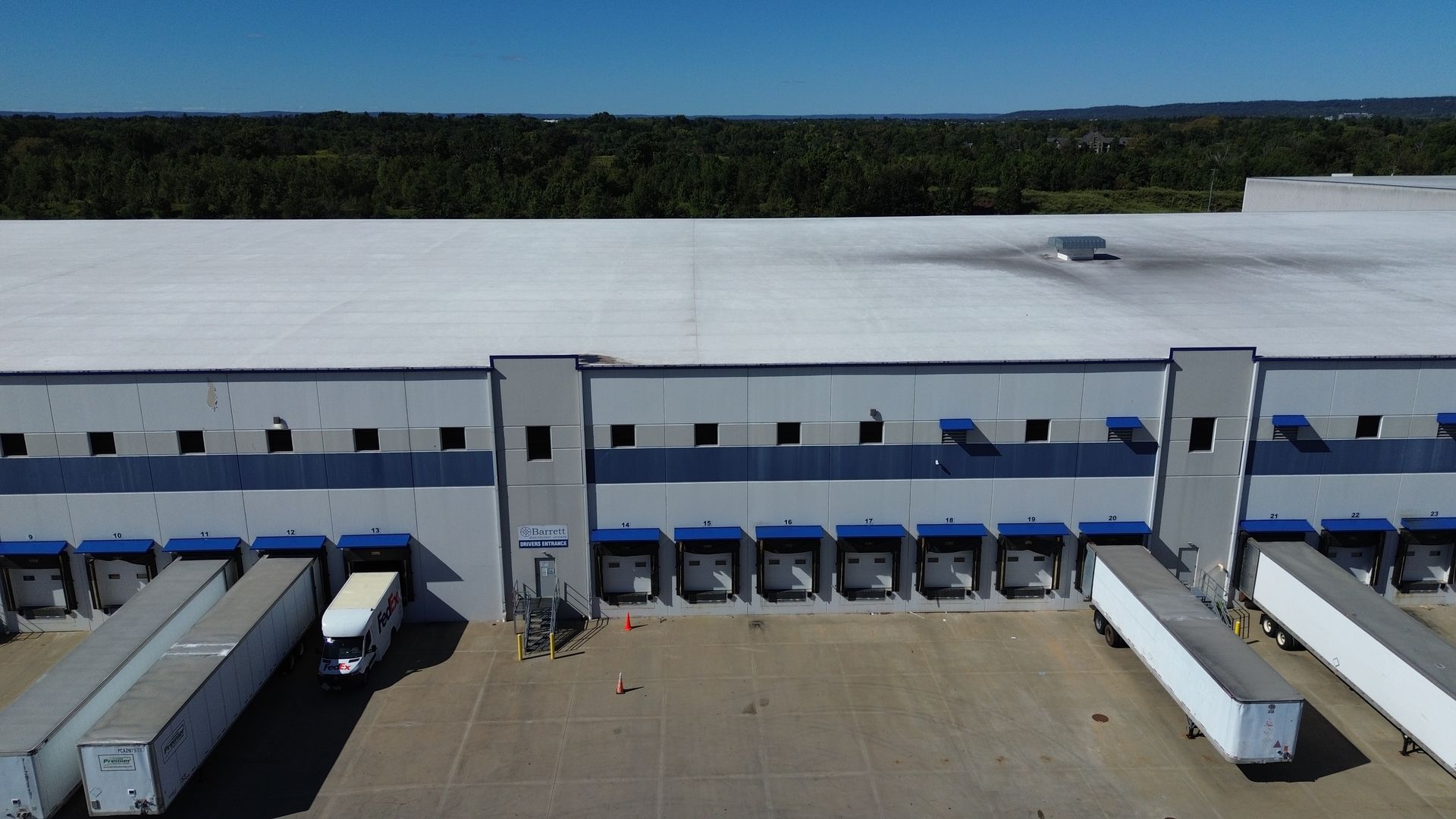
Barrett's distribution network includes facilities in Massachusetts, New Jersey, New York, Maryland, Virginia, Tennessee, Texas, and California, providing options for brands evaluating regional or national fulfillment strategies.
The ideal distribution model depends on customer geography, order volume, and inventory requirements.
What If an Ecommerce Brand Also Sells to Retailers?
Brands expanding from direct-to-consumer ecommerce into wholesale or retail distribution often face additional fulfillment requirements.
Retail orders may involve specific labeling, packaging, palletization, shipping documentation, and compliance procedures.
Barrett supports both B2C and B2B fulfillment, including retail compliance services such as pre-ticketing, labeling, and advance shipping notice management.
This allows brands to coordinate multiple sales channels through a logistics partner with omnichannel experience.
What Should Brands Consider Before Switching to a 3PL?
Choosing a fulfillment partner involves more than comparing warehouse rates.
Brands should evaluate technology compatibility, inventory visibility, service requirements, geographic coverage, transportation capabilities, and onboarding processes.
A successful transition also requires accurate product data, clearly defined operating procedures, system testing, and coordination between the brand and its logistics provider.
Barrett uses a structured onboarding approach that includes operational discovery, technology planning, testing, go-live preparation, and post-launch support.
Frequently Asked Questions
At what order volume should an ecommerce brand use a 3PL?
There is no universal order-volume threshold. The right time depends on fulfillment complexity, warehouse costs, staffing, shipping requirements, and growth expectations.
Is outsourcing fulfillment cheaper than doing it in-house?
It can be, but savings depend on order volume, storage needs, transportation expenses, and service requirements. Brands should compare total fulfillment costs rather than storage or pick-and-pack rates alone.
Can a 3PL handle both ecommerce and retail orders?
Yes. Omnichannel 3PL providers like Barrett support direct-to-consumer fulfillment alongside B2B and retail distribution.
How long does it take to transition to a 3PL?
Implementation timelines vary based on inventory complexity, integrations, operational requirements, and facility readiness. A structured onboarding process helps establish expectations before launch.
Does Barrett Distribution offer ecommerce fulfillment?
Yes. Barrett provides ecommerce fulfillment, warehousing, inventory management, transportation services, and omnichannel distribution solutions.
Looking for a 3PL that takes the time to understand your business?
Start a conversation with Barrett Distribution Centers.
Recent Blog Posts