Is Your 3PL Warehouse Built to Keep Up With Your Brand?
Your product assortment is growing. New collections are arriving, inventory requirements are shifting, and customer expectations show no signs of slowing down. Yet behind the scenes, the warehouse responsible for fulfilling those orders may still be operating with storage systems designed for a much simpler business.
For brands evaluating a third-party logistics provider, warehouse adaptability deserves serious consideration. The way inventory is organized, accessed, and moved can influence everything from order fulfillment to the ease of introducing new products.
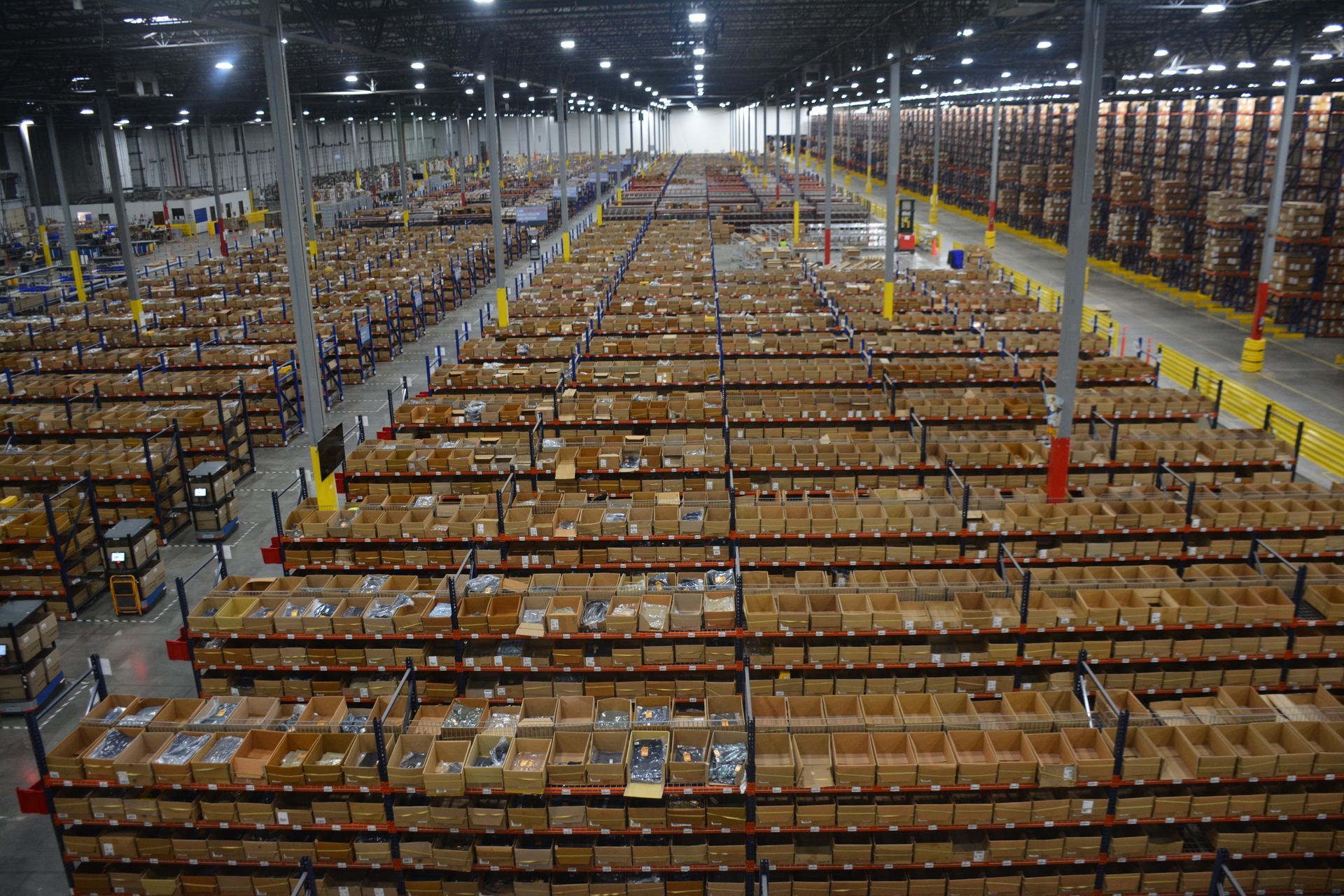
At Barrett Distribution Centers' 550,000-square-foot facility in Forney, Texas, that adaptability is taking shape through a combination of Pallite PIX modular storage and Locus Robotics.
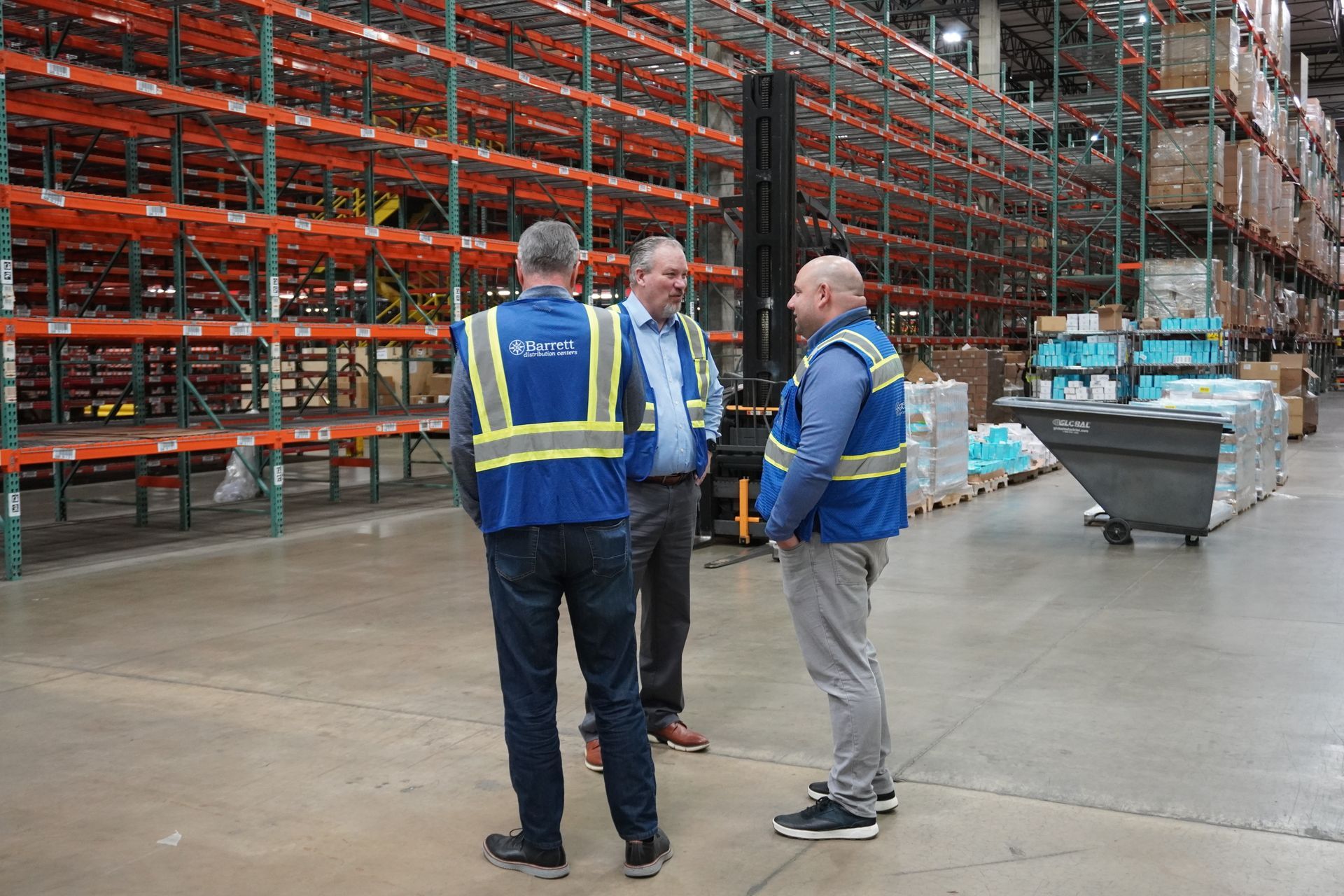
A recent walkthrough with Kevin Lawton from The New Warehouse offered a closer look at how these technologies work together.
Your Products Change. Your Warehouse Should Be Able to Adapt.
Imagine launching a new collection with products that vary considerably in size. Smaller accessories might fit neatly into compact storage locations, while handbags, jackets, and other bulkier merchandise require additional room.
A rigid warehouse layout can make those changes cumbersome.
Barrett's Forney facility uses Pallite PIX storage units with 28 individual locations per standard configuration. Their modular design allows shelves to be removed or repositioned, creating larger compartments when the inventory demands it.
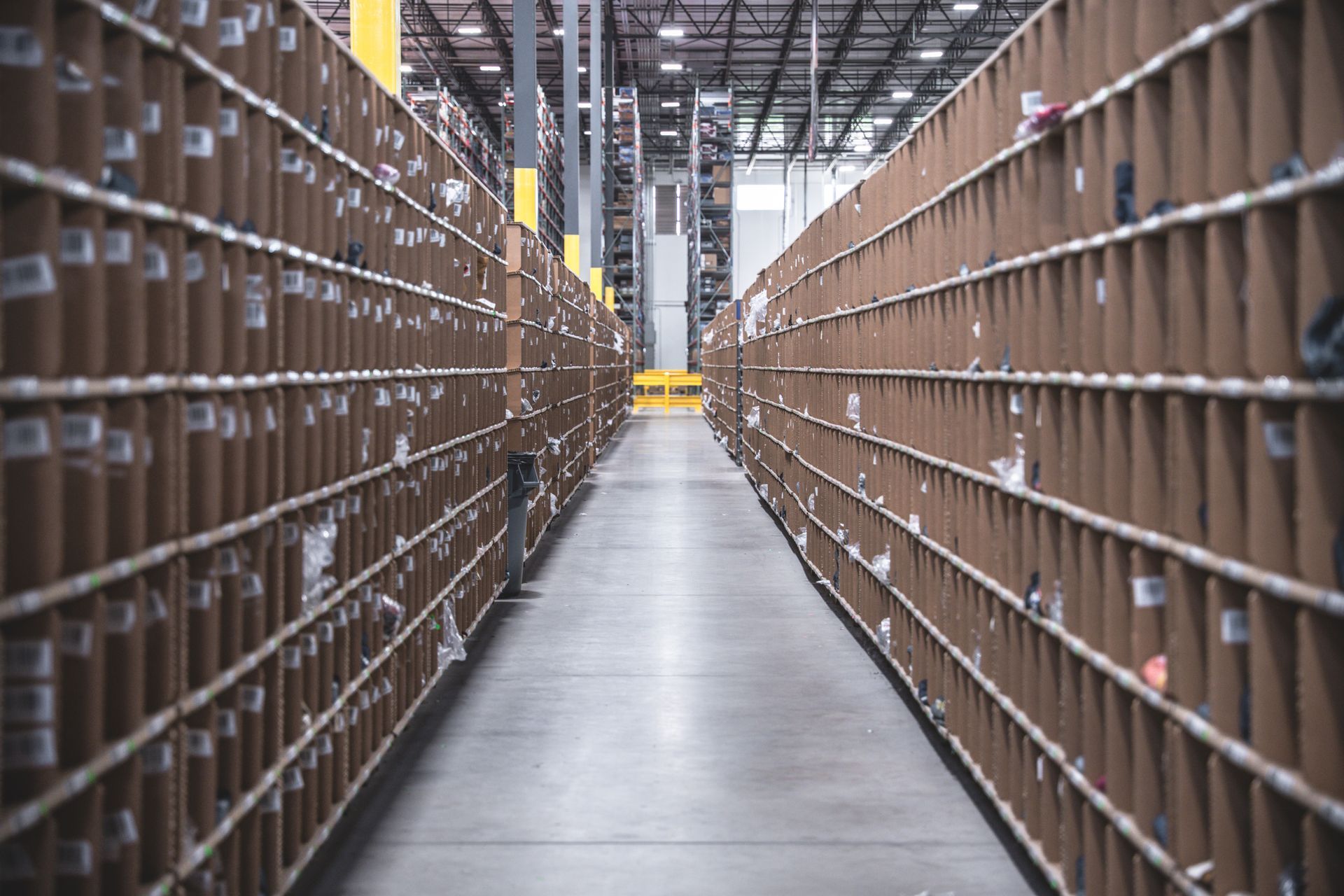
During the walkthrough, Kevin highlighted how Barrett had modified several units to accommodate handbags and bulkier jackets without replacing the entire storage structure.
For apparel and lifestyle brands managing seasonal collections, this flexibility can be particularly valuable. As merchandise changes, the storage arrangement can change with it.
A Closer Look at Robotics in Action
Technology becomes especially interesting when its contribution is visible in everyday warehouse activity.
Throughout Barrett's Forney facility, Locus Robotics autonomous mobile robots navigate the aisles, assisting associates with picking and putaway. Working alongside the Pallite PIX system, these robots support the movement of inventory through the fulfillment process.
The walkthrough also featured specialized Pallite bin inserts that fit both manual picking carts and Locus robots. Each insert provides six compartments, supporting organized product handling across different workflows.
Rather than introducing technology simply for its novelty, this arrangement demonstrates how complementary systems can support the people responsible for fulfilling orders.
What Should Brands Look for Beyond Warehouse Capacity?
Square footage is often among the first details a prospective 3PL customer encounters. Barrett's Forney facility offers an impressive 550,000 square feet, but the more revealing story lies in how that space is configured.
Flexible storage, adaptable picking locations, and robotics-compatible equipment give the operation options as inventory profiles change.
The Pallite units themselves arrive flat-packed and can be assembled or reconfigured without the extensive work associated with conventional fixed shelving. During the walkthrough, Kevin also observed units that had reportedly remained in service for approximately two years despite the demanding Texas climate.
For brands comparing fulfillment partners, these details offer a useful perspective on warehouse capabilities. An operation designed to accommodate different product dimensions and fulfillment workflows may be better positioned to respond as a brand's assortment evolves.
Your next 3PL should be prepared for more than the inventory you have today. It should have the flexibility to accommodate the products, collections, and opportunities still ahead.
Looking for a 3PL that takes the time to understand your business?
Start a conversation with Barrett Distribution Centers.
Recent Blog Posts