
How Can a 3PL Help Reduce Inventory Holding Costs? (2026)
A third-party logistics provider (3PL) can help reduce inventory holding costs by improving inventory visibility, warehouse efficiency, inventory placement, and fulfillment processes.
With the right technology and distribution strategy, brands can make better decisions about how much inventory to store, where to position it, and how efficiently it moves through the warehouse.
For growing ecommerce and retail brands, partnering with a 3PL like Barrett Distribution can provide the infrastructure and operational expertise needed to manage inventory more effectively.
Key Takeaways
- Inventory holding costs include storage, labor, insurance, and other expenses associated with maintaining inventory.
- Better inventory visibility can help brands identify excess or slow-moving products.
- Strategic warehouse locations can support more efficient inventory distribution.
- A 3PL can provide technology, reporting, and flexible fulfillment capabilities to support inventory management.
What Are Inventory Holding Costs?
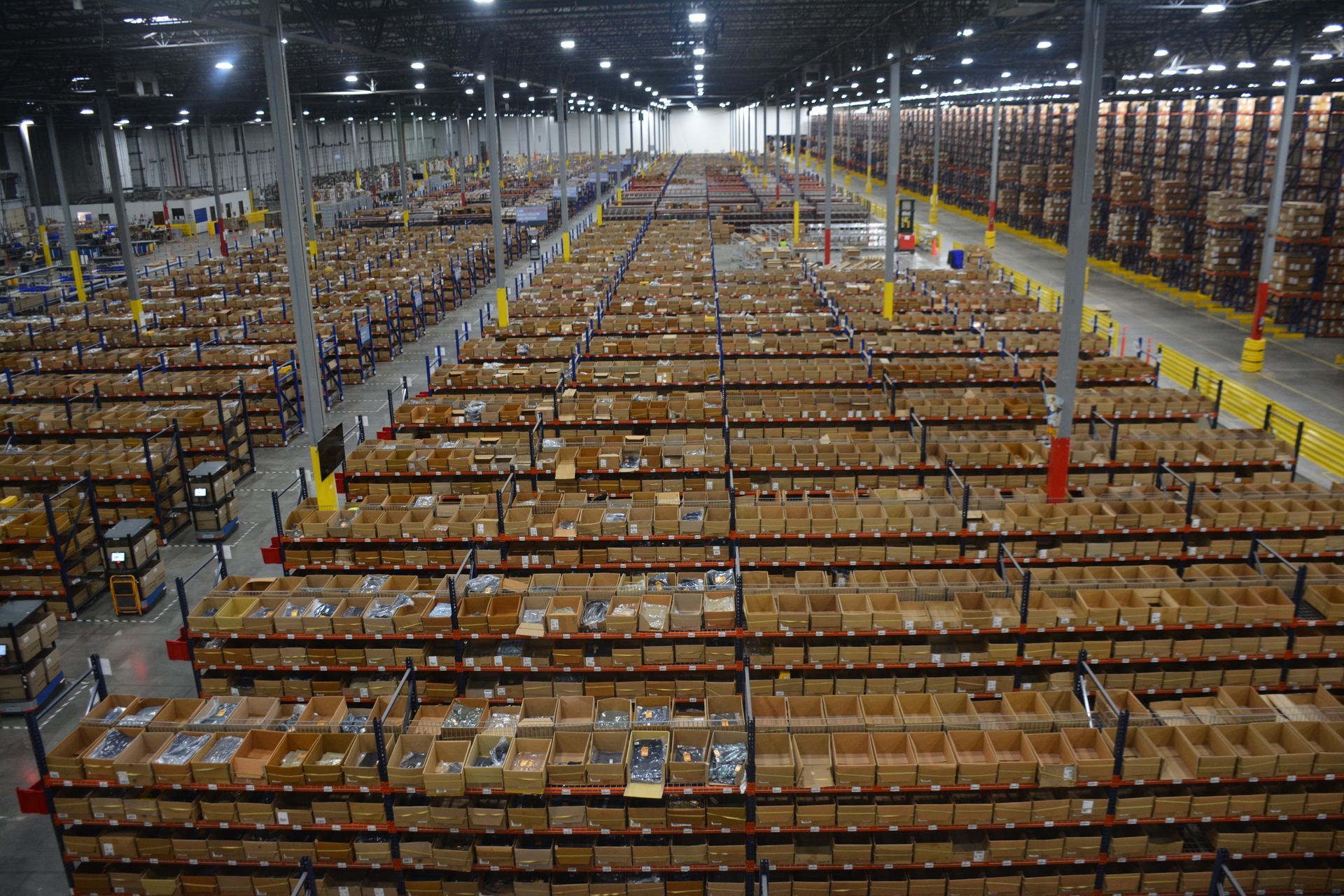
Inventory holding costs are the expenses associated with storing and maintaining products before they are sold or distributed.
These costs can include warehouse space, labor, insurance, inventory handling, and the financial impact of products remaining in storage.
For brands with seasonal demand or large product catalogs, holding costs can increase when inventory levels exceed actual demand.
How Does Inventory Visibility Help Reduce Costs?
Accurate inventory information helps brands understand what products are available, where they are stored, and how inventory moves through the fulfillment operation.
Without reliable visibility, businesses may struggle to identify excess inventory or make informed replenishment decisions.
Barrett provides customers with secure web-based access to inventory information, inbound and outbound orders, reporting, and operational dashboards. These tools support more informed inventory and distribution decisions.
Can Strategic Warehouse Locations Lower Inventory Costs?
Warehouse location influences both storage strategy and transportation expenses.
A centrally located warehouse may simplify inventory management, while multiple distribution locations can position products closer to customers. However, spreading inventory across several facilities can also increase the amount of stock a business needs to maintain.
Barrett's national warehouse network gives brands options when evaluating how inventory should be positioned based on customer demand, transportation requirements, and growth plans.
How Does Warehouse Technology Improve Inventory Efficiency?
Warehouse management technology helps coordinate receiving, storage, picking, packing, and shipping.
Barrett's WMS capabilities include real-time tasking, customer-specific processing, and flexible RF technology. Its analytics tools also support operational reporting, labor planning, and productivity measurement.
These capabilities help warehouse teams monitor performance and identify opportunities to improve operational efficiency.
Can a 3PL Help With Seasonal Inventory Fluctuations?
Yes. Seasonal demand can create significant changes in inventory levels and warehouse requirements.
Brands experiencing holiday peaks, promotions, or product launches may need additional operational flexibility during high-volume periods.
A 3PL can help businesses plan around these fluctuations through warehousing, labor planning, inventory management, and scalable fulfillment processes.
What Should Brands Look for in an Inventory Management 3PL?
Brands should evaluate more than storage capacity when choosing a logistics partner.
Important capabilities include inventory visibility, warehouse technology, operational reporting, transportation management, omnichannel fulfillment, and experience with seasonal demand.
Barrett combines these services within its broader 3PL offering, helping brands manage inventory alongside their fulfillment and distribution requirements.
Frequently Asked Questions
What is the biggest inventory holding cost?
The largest expense varies by business. Storage, capital tied up in inventory, insurance, handling, and inventory obsolescence can all contribute significantly to holding costs.
Can outsourcing fulfillment reduce inventory costs?
It can. Outsourcing to a 3PL may help businesses improve warehouse efficiency and inventory management, although actual savings depend on inventory levels, service requirements, and the provider's pricing structure.
How does a 3PL improve inventory management?
A 3PL can provide warehouse technology, inventory controls, reporting, and fulfillment processes that help brands monitor and manage inventory more effectively.
Does Barrett provide inventory management services?
Yes. Barrett provides warehousing, inventory visibility, WMS technology, operational reporting, and omnichannel fulfillment as part of its logistics services.
Looking for a 3PL that takes the time to understand your business?
Start a conversation with Barrett Distribution Centers.
Recent Blog Posts