What Omnichannel Fulfillment Really Means in 2026
If you work in supply chain, you've probably heard the term omnichannel fulfillment so many times that it's started to lose meaning.
It's become one of those logistics buzzwords that gets thrown around in conference sessions and sales presentations. But for brands trying to grow, omnichannel fulfillment isn't a trend—it's an operational reality.
A decade ago, many brands sold through one or two channels. Today, a single brand might be shipping direct-to-consumer orders, replenishing Amazon inventory, fulfilling wholesale accounts, and managing retail compliance requirements simultaneously.
The challenge isn't opening new sales channels.
The challenge is supporting all of them without creating separate supply chains for each one.
That's what omnichannel fulfillment really means in 2026.
It's the ability to manage retail, ecommerce, marketplace, and wholesale fulfillment through a unified operation that provides inventory visibility, operational flexibility, and a consistent customer experience. And that's easier said than done.
Many growing brands find themselves adding channels faster than they add infrastructure. What started as an ecommerce fulfillment operation suddenly needs to support retailer routing guides, EDI requirements, compliance labeling, and increasingly complex inventory management. Before long, inventory gets fragmented, processes become reactive, and fulfillment starts slowing growth instead of enabling it. The brands that navigate this successfully tend to have one thing in common: they stop thinking about fulfillment as a warehouse function and start treating it as a strategic part of their business.
That's where the right logistics partner can make a significant difference.
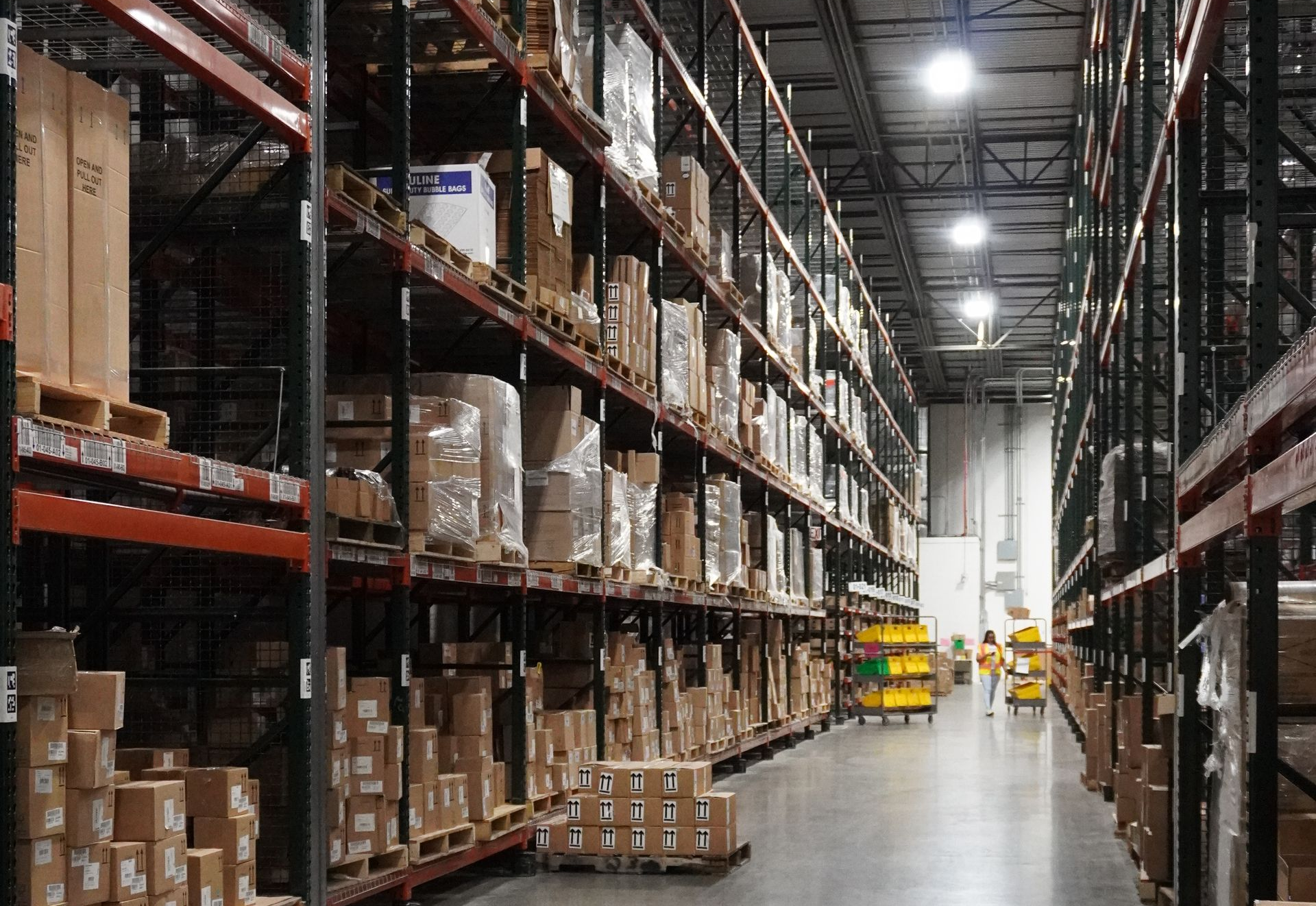
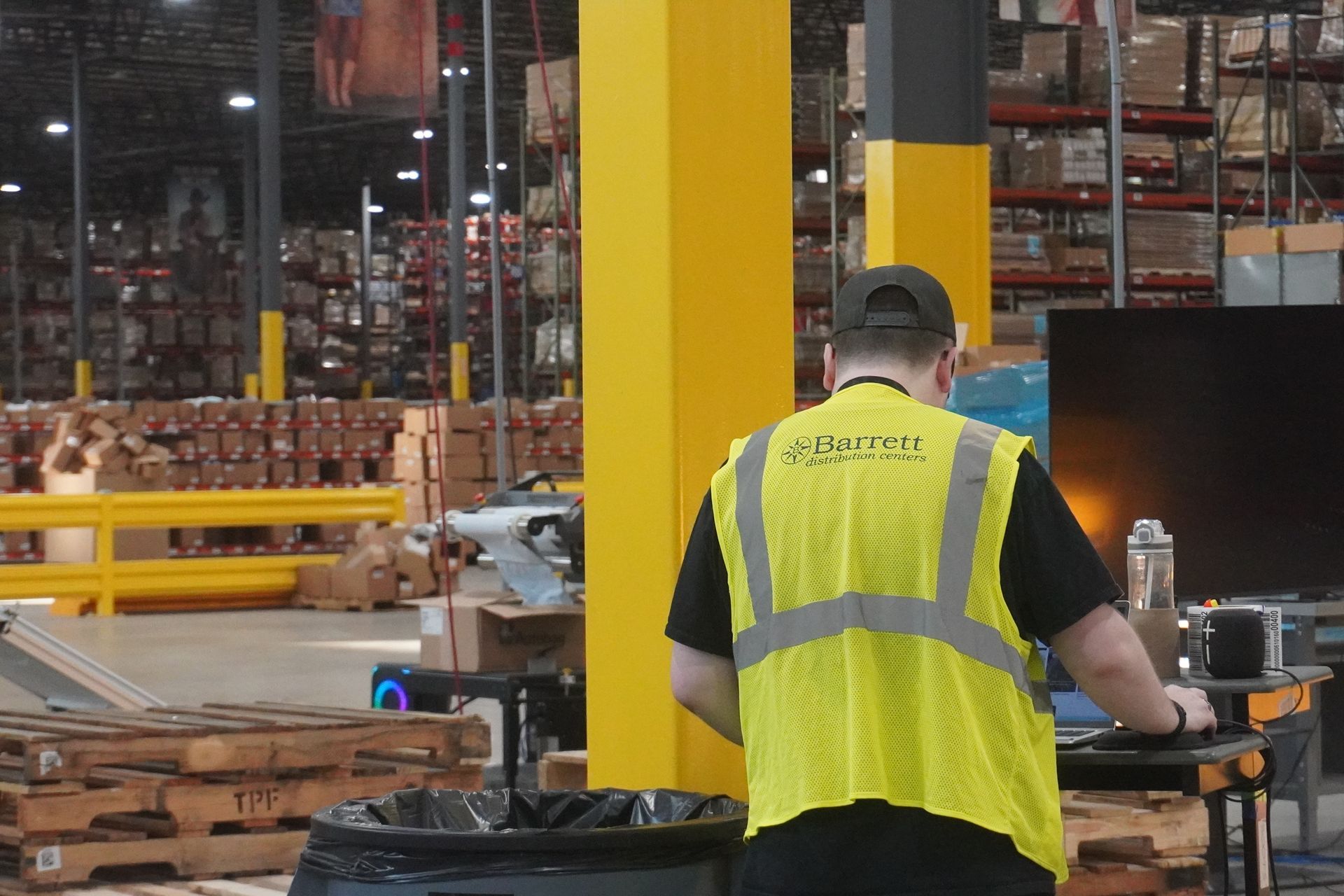
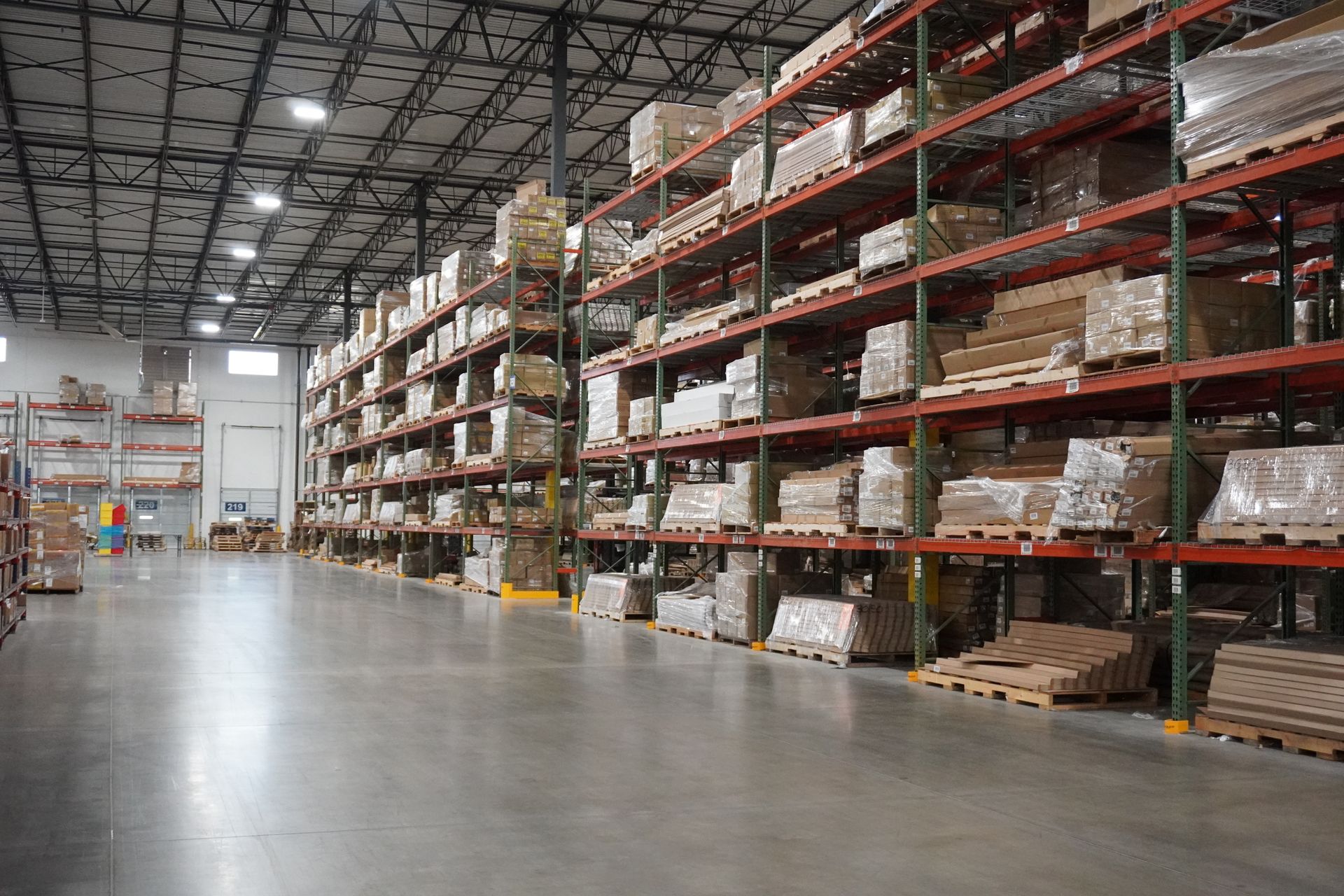
At Barrett, omnichannel fulfillment has been at the core of our business for decades. We support brands across retail, ecommerce, wholesale, and marketplace channels from a nationwide network of distribution centers designed to handle the complexities of modern commerce.
What makes omnichannel fulfillment work isn't simply having warehouse space. It's having the systems, processes, and expertise to manage different order profiles, customer requirements, and service expectations within a single operation. A direct-to-consumer order and a retail replenishment shipment may originate from the same inventory, but they require very different workflows. One may involve individual pick-and-pack fulfillment with rapid delivery expectations, while the other demands strict retailer compliance, ASN management, and precise routing instructions.
Barrett's operations are built to support both.
Our technology ecosystem connects warehouse management, transportation management, customer reporting, and trading partner integrations to provide visibility across the supply chain. Combined with dedicated account management and continuous improvement initiatives, this allows customers to scale into new channels without constantly rebuilding their logistics infrastructure.The result is a fulfillment operation that can adapt as a business grows.
Whether a brand is expanding into major retail accounts, increasing ecommerce volume, launching on Amazon, or managing all three simultaneously, the goal remains the same: create a seamless experience for customers while maintaining operational efficiency behind the scenes. Because in today's market, customers don't think about channels.
They simply expect products to arrive on time and accurately.
The companies that succeed in 2026 will be the ones that can deliver that experience consistently, regardless of where the order originated.
That's the promise of omnichannel fulfillment—and it's why more brands are looking for logistics partners that can do more than move inventory.
They're looking for partners that can help them grow.
Recent Blog Posts