What Is Retail Compliance? (August 2026)
Retail compliance is the process of meeting a retailer's specific shipping, labeling, packaging, and delivery requirements. By following these requirements, brands can avoid costly chargebacks, improve supply chain efficiency, and build stronger relationships with retail partners.
Key Takeaways
- Retail compliance ensures products are shipped according to each retailer's unique requirements.
- Non-compliance can lead to chargebacks, shipment delays, and strained retailer relationships.
- An experienced 3PL can help brands maintain compliance while simplifying omnichannel fulfillment.
Why Is Retail Compliance Important?
As brands grow, selling through major retailers often becomes an essential part of their distribution strategy. However, every retailer has its own standards for how products should be prepared, labeled, shipped, and delivered. These requirements—commonly referred to as retailer routing guides or vendor compliance standards—are designed to improve efficiency throughout the supply chain.
Failure to follow these guidelines can result in costly penalties, delayed shipments, rejected deliveries, or additional handling fees. Over time, repeated compliance issues can also damage relationships with retail partners.
By prioritizing retail compliance, businesses can reduce operational risk while ensuring products reach store shelves on time and as expected.
What Does Retail Compliance Include?
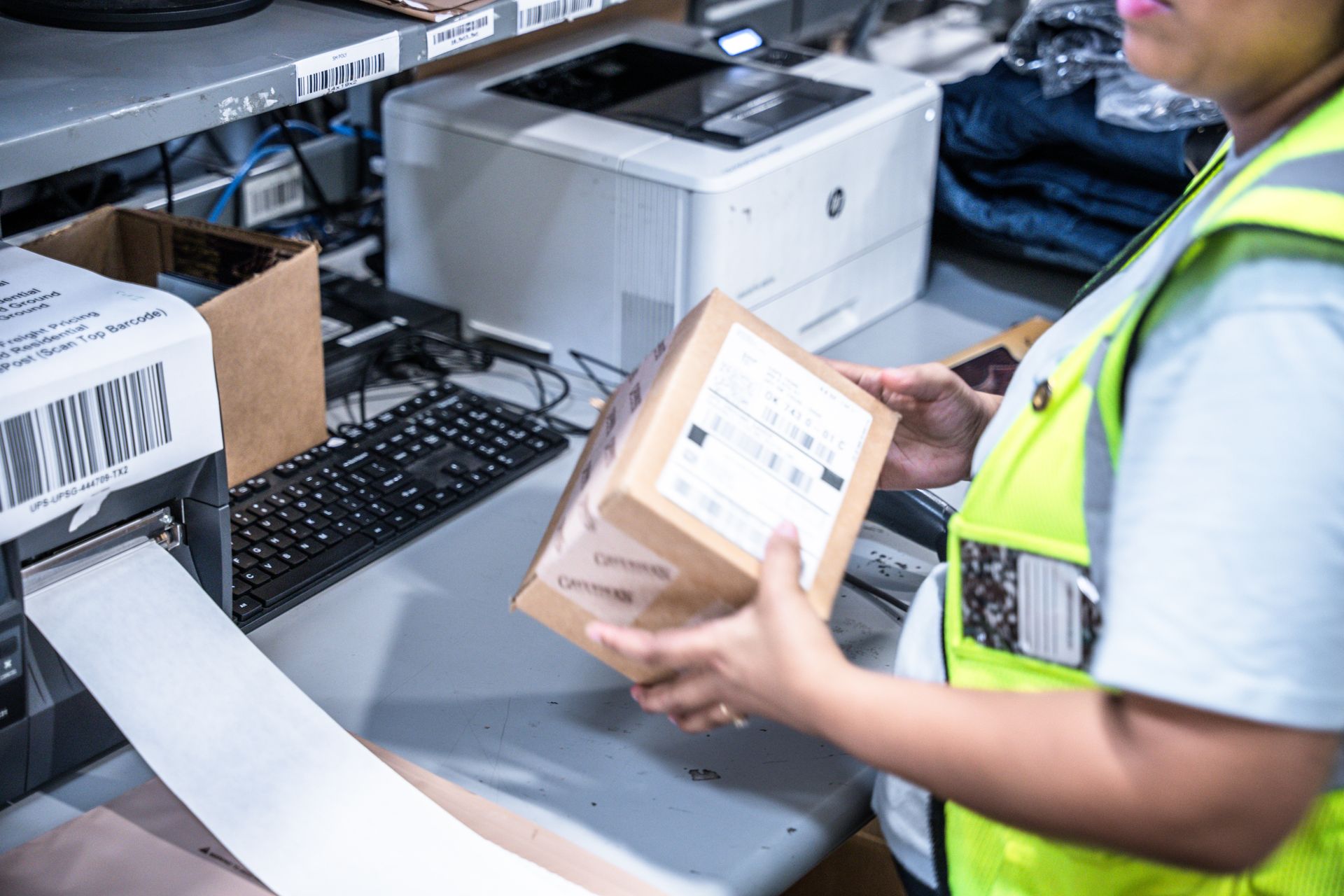
Retail compliance encompasses a wide range of shipping and fulfillment requirements that vary by retailer. These standards may include barcode labeling, carton labeling, pallet configuration, Advance Ship Notices (ASNs), routing instructions, packaging specifications, appointment scheduling, and delivery windows.
Because every retailer has different expectations, maintaining compliance requires consistent warehouse processes, attention to detail, and the ability to adapt to changing requirements.
Businesses working with multiple retail partners often rely on standardized fulfillment processes and technology to help ensure every shipment meets customer-specific specifications.
What Happens If You Don't Meet Retail Compliance Requirements?
Even small mistakes can become expensive.
Incorrect labels, missed shipping windows, inaccurate documentation, or improperly configured pallets may result in retailer chargebacks or rejected shipments. These issues not only increase costs but also create additional work for customer service and warehouse teams.
Beyond the immediate financial impact, repeated compliance failures can affect supplier performance ratings and make it more difficult to strengthen relationships with key retail partners.
For growing brands, avoiding these issues is critical to maintaining operational efficiency and protecting profitability.
How Can Businesses Improve Retail Compliance?
Successful retail compliance starts with well-defined warehouse processes and the right technology.
Accurate inventory management, standardized picking and packing procedures, barcode verification, and integrated shipping systems all help reduce errors before products leave the warehouse. Regular employee training and ongoing quality checks further improve consistency.
Many businesses also partner with an experienced third-party logistics (3PL) provider that specializes in retail fulfillment. A knowledgeable 3PL understands retailer-specific requirements and can adapt warehouse operations to meet changing compliance standards.
How Does Technology Support Retail Compliance?
Modern warehouse technology helps automate many of the processes required for compliant retail shipments.
Warehouse Management Systems (WMS) can verify inventory accuracy, manage order workflows, and support labeling requirements, while Transportation Management Systems (TMS) help ensure shipments follow retailer routing instructions.
Barrett Distribution utilizes a Tier 1 Warehouse Management System, transportation management software, and customer reporting tools to support accurate, efficient fulfillment operations. These technologies provide real-time visibility into inventory and order activity while helping customers manage complex omnichannel supply chains.
Why Partner with a 3PL for Retail Compliance?
Managing retail compliance internally can become increasingly complex as a business grows.
An experienced 3PL provides the operational expertise, technology, and standardized processes needed to support multiple retailers while maintaining consistent fulfillment performance. This allows brands to focus on growing their business instead of managing constantly changing retailer requirements.
Barrett Distribution supports omnichannel fulfillment by managing both business-to-business retail distribution and direct-to-consumer ecommerce fulfillment. The company also provides value-added services such as labeling, palletization, retail ticketing, ASN management, and vendor compliance support to help customers meet retailer expectations.
Is Retail Compliance Worth the Investment?
Absolutely.
While maintaining compliance requires ongoing attention to detail, the long-term benefits far outweigh the costs. Businesses that consistently meet retailer requirements are better positioned to avoid chargebacks, improve operational efficiency, strengthen customer relationships, and scale into additional retail channels.
Whether you're shipping to a handful of regional retailers or managing nationwide distribution, retail compliance is an essential part of building a reliable and efficient supply chain.
Frequently Asked Questions
What is retail compliance?
Retail compliance is the process of meeting a retailer's specific shipping, labeling, packaging, and delivery requirements to ensure products are received without delays or penalties.
Why is retail compliance important?
Retail compliance helps businesses avoid chargebacks, reduce shipment delays, improve operational efficiency, and maintain strong relationships with retail partners.
What happens if a company doesn't meet retail compliance requirements?
Failure to comply with retailer standards can result in chargebacks, rejected shipments, delayed deliveries, additional handling fees, and lower supplier performance ratings.
Can a 3PL help with retail compliance?
Yes. Experienced third-party logistics providers, including Barrett Distribution, help businesses manage retailer-specific requirements through standardized fulfillment processes, advanced warehouse technology, and value-added services that support compliant retail distribution.
Recent Blog Posts