
What is Ecommerce Fulfillment?

Faith Artieda • July 23, 2026

Ecommerce fulfillment is the process of receiving, storing, picking, packing, and shipping products ordered online. It also includes inventory management, order tracking, and returns processing. Every time a customer places an order through an ecommerce website or online marketplace, the fulfillment process begins.


As online shopping continues to grow, customers expect fast shipping, accurate orders, and real-time tracking. A well-managed fulfillment operation helps businesses meet these expectations while improving efficiency and creating a better customer experience.


How Ecommerce Fulfillment Works

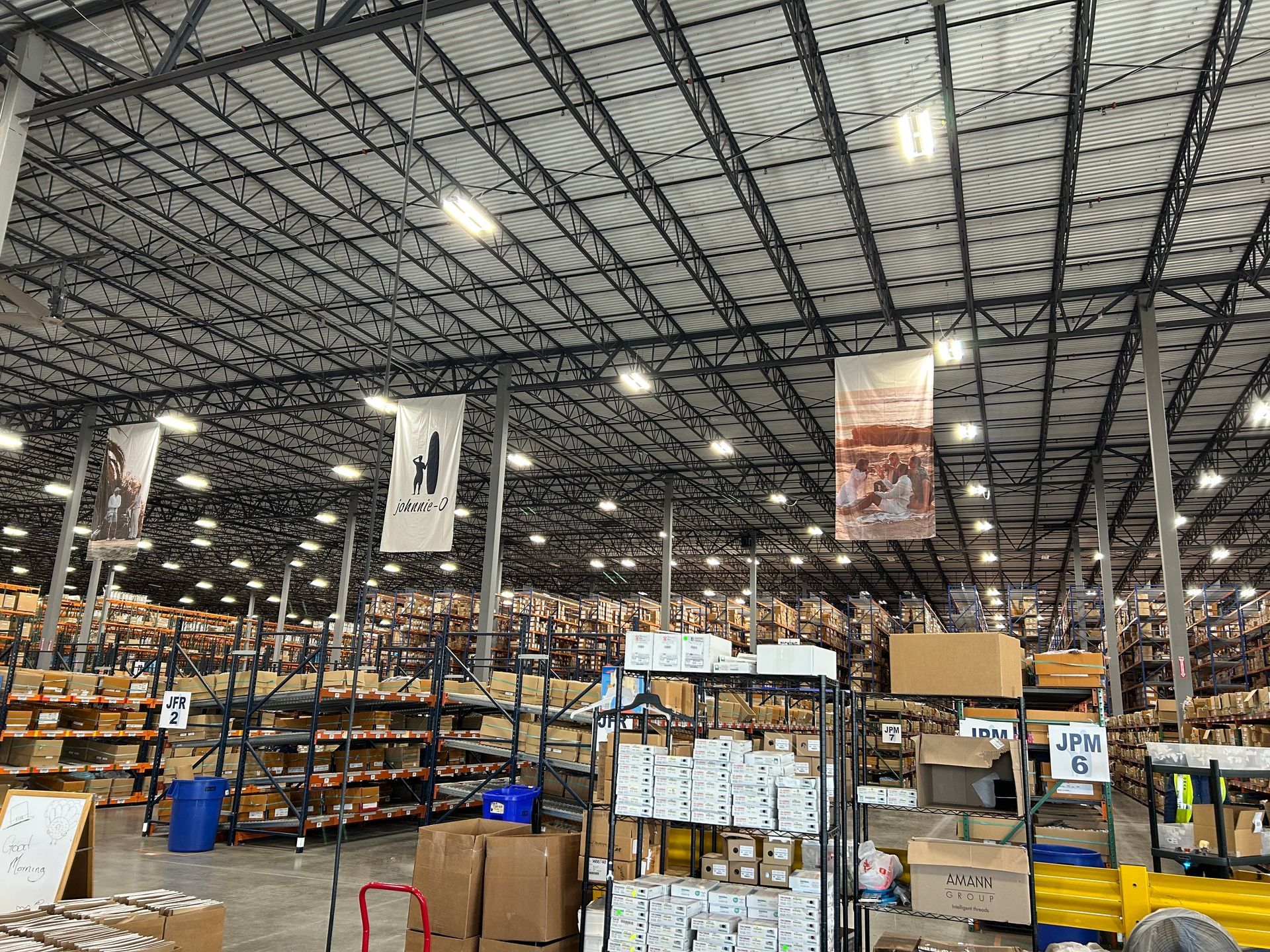
The process starts when inventory arrives at a fulfillment center. Products are received, inspected, and stored in designated warehouse locations. Using a warehouse management system (WMS), inventory is tracked in real time, giving businesses visibility into stock levels and order activity.


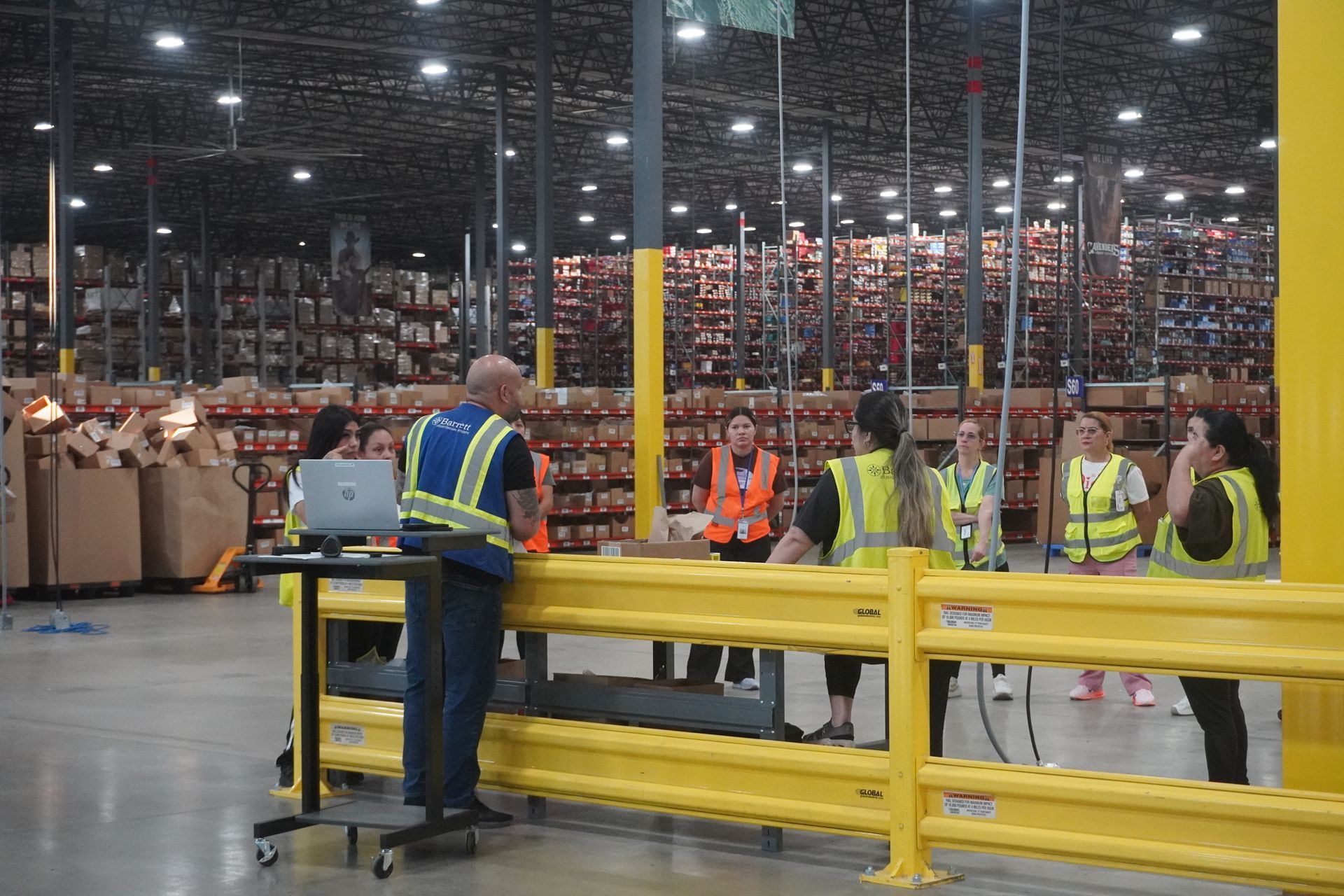
When an order is placed, warehouse associates pick the correct items, pack them securely, and prepare them for shipment. Once the order ships, customers receive tracking information, and if a return is needed, the fulfillment provider manages the reverse logistics process.

Why Businesses Outsource Ecommerce Fulfillment

Many growing businesses choose to partner with a third-party logistics (3PL) provider instead of managing fulfillment in-house. Outsourcing allows companies to reduce overhead costs, improve shipping efficiency, and scale operations without investing in additional warehouse space or labor.


A 3PL can also provide access to advanced technology, carrier relationships, and fulfillment expertise that help businesses improve order accuracy and delivery performance.


The Importance of Omnichannel Fulfillment

Today's brands often sell through multiple channels, including their own website, Amazon, retail stores, and wholesale partners. Omnichannel fulfillment allows businesses to manage inventory from one location while fulfilling orders across every sales channel.

This streamlined approach helps improve inventory accuracy, reduce operational complexity, and create a consistent customer experience.


How Barrett Supports Ecommerce Brands

As ecommerce businesses grow, their fulfillment needs become more complex. Barrett Distribution helps brands simplify those operations with customized fulfillment solutions designed to support direct-to-consumer, retail, wholesale, and marketplace orders from a single inventory.


With advanced warehouse management technology, real-time inventory visibility, transportation management, and decades of fulfillment expertise, Barrett helps customers improve efficiency while delivering the speed and accuracy today's consumers expect.

Recent Blog Posts
By Faith Artieda July 22, 2026
Shipping costs are one of the largest expenses in any supply chain, and with rising carrier rates and increasing customer expectations, businesses are constantly looking for ways to ship more efficiently without sacrificing service. The good news is that reducing shipping costs doesn't always mean cutting corners,it often comes down to improving your logistics strategy. Here are a few proven ways businesses can lower shipping costs while maintaining a positive customer experience. Optimize Your Warehouse Location Where your inventory is stored has a direct impact on shipping costs. Placing inventory closer to your customers can reduce shipping zones, shorten transit times, and lower parcel expenses. Many businesses are strategically positioning inventory in key distribution markets, allowing them to reach more customers within one or two business days while minimizing transportation costs. Consolidate Inventory Managing inventory across multiple warehouses can increase storage costs and create inefficiencies. In many cases, consolidating inventory into a strategically located fulfillment center can improve inventory visibility, reduce duplicate stock, and simplify operations. The right strategy depends on your customer base and shipping patterns, making it important to evaluate your distribution network regularly. Use a Transportation Management System Transportation management systems (TMS) help businesses compare carrier rates, select the most cost-effective shipping methods, and optimize deliveries. These systems can identify opportunities to reduce parcel costs while maintaining delivery performance. Many third-party logistics providers (3PLs) use transportation technology to help customers improve shipping efficiency and gain greater visibility into their transportation spend. Improve Packaging Efficiency Oversized packaging can increase shipping costs by adding unnecessary dimensional weight. Using packaging that fits products more efficiently can help reduce freight expenses while minimizing material waste. Reviewing packaging designs regularly can lead to meaningful cost savings over time. Partner with an Experienced 3PL One of the most effective ways to reduce shipping costs is by working with a third-party logistics provider. Established 3PLs often have strong carrier relationships, advanced shipping technology, and transportation expertise that help businesses optimize their shipping strategy. At Barrett Distribution, transportation is integrated into a broader fulfillment strategy. Through advanced transportation management technology, carrier optimization, and strategically located distribution centers, Barrett helps customers improve transit times while identifying opportunities to reduce overall shipping costs. Combined with real-time reporting and supply chain visibility, businesses can make informed decisions that improve efficiency across their logistics network.
By Faith Artieda July 21, 2026
Switching warehouses is a significant decision, and it's natural to worry about potential disruptions to your operations. However, with the right third-party logistics (3PL) partner, the transition can be carefully planned and executed with minimal impact on your customers or day-to-day business.  A successful warehouse transition begins with a detailed implementation plan. This includes reviewing your inventory, integrating systems, validating data, coordinating inbound inventory transfers, and thoroughly testing processes before orders begin shipping. Clear communication and collaboration throughout the onboarding process help identify potential challenges early and keep the project on schedule. An experienced 3PL will also dedicate resources to training staff, establishing performance benchmarks, and monitoring operations closely during the first few weeks after go-live. This "hypercare" period ensures any issues are resolved quickly while maintaining service levels and order accuracy. At Barrett Distribution, every customer implementation is supported by a dedicated project team that guides the transition from discovery through stabilization. Barrett's structured onboarding process emphasizes detailed planning, system testing, proactive communication, and cross-functional collaboration to help customers make a seamless transition. By focusing on data accuracy, operational readiness, and continuous support, Barrett helps businesses minimize risk and build a strong foundation for long-term success. While every business has unique requirements, switching warehouses doesn't have to mean disrupting your operations. With an experienced logistics partner and a well-executed implementation plan, businesses can transition confidently while positioning themselves for future growth.
By Faith Artieda July 20, 2026
When it comes to fast, reliable shipping, warehouse location matters more than many businesses realize. Where your inventory is stored directly impacts transit times, shipping costs, and your ability to meet customer expectations.  A strategically located distribution center allows products to travel shorter distances, reducing the number of shipping zones and helping orders reach customers more quickly. This not only improves delivery speed but can also lower transportation costs and increase overall supply chain efficiency. Why Location Matters As ecommerce continues to grow, customers expect deliveries in just a few days—or even the next day. Businesses that position inventory closer to their customers are better equipped to meet those expectations while maintaining competitive shipping rates. Warehouse location also affects access to major transportation networks. Facilities located near interstate highways, parcel carrier hubs, rail lines, ports, or airports can move products through the supply chain more efficiently, reducing delays and improving delivery reliability. Finding the Right Distribution Strategy There is no one-size-fits-all approach to warehouse placement. The ideal location depends on where your customers are located, your order volume, and your distribution goals. Some businesses benefit from a single, centrally located distribution center, while others may require multiple facilities to support nationwide delivery. Regularly evaluating shipping data, customer locations, and transportation costs can help businesses determine whether their current warehouse network is supporting—or slowing down—their operations. How Barrett Helps Customers Ship Faster Barrett Distribution works with customers to develop fulfillment strategies that align with their business goals and customer demand. With strategically located distribution centers across the United States, including facilities in key logistics markets, Barrett helps businesses position inventory for faster, more efficient delivery. For example, Barrett's Olive Branch, Mississippi facility provides convenient access to major interstate highways and the greater Memphis logistics network, making it an ideal location for reaching customers throughout the Southeast and across the country. Combined with advanced transportation management technology and real-time inventory visibility, Barrett helps customers optimize shipping performance while controlling transportation costs. Warehouse location is more than just a place to store inventory—it's a strategic advantage. Choosing the right location can shorten delivery times, reduce shipping expenses, and improve the overall customer experience. By partnering with an experienced 3PL like Barrett Distribution, businesses can build a distribution strategy that supports both operational efficiency and long-term growth.
More Posts