The Barrett Blog
The latest news, trends, and insights in supply chain logistics from Barrett's own team of subject matter experts.
Outgrowing a 3PL does not always mean something went wrong. Sometimes it means your business did exactly what you hoped it would do. The fulfillment partner that made perfect sense when your brand was smaller may have helped you through years of growth. Orders increased, new products launched, and the business found its footing. Then the opportunities started getting bigger. Retailers entered the conversation. Wholesale became more important. Inventory spread across more channels, and what once felt manageable suddenly required a different level of support. At that point, the question is no longer whether your 3PL can fulfill today's orders. It is whether the partnership still fits the company you are becoming. Mary Glenn , Director of Business Development at Barrett Distribution Centers, hears versions of this story frequently in conversations with growing brands. Since joining Barrett, she has spent much of her time learning what companies are looking for in a 3PL and, perhaps more importantly, what causes them to realize their current setup may no longer be enough. Sometimes You Outgrow a Partnership That Once Worked There is a tendency to assume that changing 3PLs means the previous relationship failed. The reality is usually more nuanced. A brand might begin by fulfilling orders itself before reaching a point where the time, space, and attention required simply become too much. Another company might already have a 3PL that served it well when its business was primarily direct to consumer. Years later, that same company may be selling through several channels with entirely different expectations. As Mary explained, some brands eventually realize they would be “better suited with a partner that can not only support us now, but can also support us long term.” That long term piece deserves attention. Moving inventory from one provider to another takes time and coordination, and it can be disruptive for teams that already have plenty to manage. Most brands do not want to repeat the process every few years because they chose a partner based only on what they needed at that particular moment. A better conversation looks further ahead. Where is the business trying to go, and does the 3PL have the people, experience, technology, locations, and capabilities to continue supporting it when it gets there? DTC Success Can Be the Beginning, Not the Finish Line For many growing brands, one of the biggest shifts happens when direct to consumer fulfillment is no longer the entire story. A company may have spent years mastering its ecommerce business only to find that its next major opportunity lies in retail, wholesale, boutiques, licensing, or a combination of several channels. That is exciting territory, but it introduces requirements that may be unfamiliar to a team accustomed to shipping individual ecommerce orders. Mary sees this transition frequently among brands exploring Barrett. “The biggest change that I see with the brands that come to Barrett is they're really trying to find someone that can help them navigate that switch from, you know, one model to the next,” she explained. Retail in particular can change the conversation quickly. Different retailers have their own compliance expectations and requirements, which means experience becomes increasingly valuable as a brand expands. What worked beautifully for a pure ecommerce business may not translate neatly into the next phase. That does not make the old approach wrong. It simply means the business has become more sophisticated, and fulfillment has to mature alongside it. Choose for Where You Are Going, Not Only Where You Are Growth has a way of making immediate problems feel like the only problems that matter. When warehouse space is tight or a current relationship is no longer working, there is understandable pressure to find an answer quickly. But urgency can narrow the conversation to what needs to be solved today rather than what the business could require two or three years from now. Mary describes some growing brands as reaching a stage where their success begins creating problems they have never encountered before. That is often when the value of a more experienced partner becomes clearer. Brands want room to grow without wondering whether another move will be necessary as soon as the next opportunity arrives. That is an important part of how Barrett thinks about fit. The goal is not to become the answer for every company. It is to understand whether Barrett's network, people, technology, and experience make sense for where a particular brand is headed. As Mary put it when discussing Barrett's approach, “We don't want to be a fit for everybody.” There is something valuable in that mindset. A lasting partnership should begin with an honest understanding of what both sides need, rather than trying to force every opportunity into the same mold. Price Matters, but It Cannot Tell the Whole Story When companies begin evaluating 3PLs, rates naturally become part of the conversation. They should. Fulfillment has to make financial sense. Mary is quick to acknowledge that reality: “Price matters in any facet of life.” But she also cautions against allowing price to become the entire evaluation. Her analogy is simple. Choosing a 3PL can be a little like buying a home. Two houses might fall within the same general price range, yet provide completely different experiences once you look beyond the number. Location matters. Space matters. The neighborhood matters. What works for your life today may not work several years from now. A 3PL deserves similar consideration. Visibility into inventory might become increasingly important. Access to additional facilities could matter as the customer base changes. Retail experience may become essential. Technology, communication, culture, and the people running the operation can carry considerably more weight once the relationship begins. Mary explained that when brands find a provider that meets most of those needs, “price becomes probably the least interesting part of that evaluation for them.” Not because cost stops mattering, but because the conversation has become bigger than cost alone. Growth Should Open Doors, Not Create Another Ceiling There is a point in many brands' journeys when fulfillment stops being something happening quietly in the background and becomes an important part of what the business can do next. Landing a new retailer should feel like an opportunity, not a problem your operation cannot accommodate. Increasing order volume should be a reason to celebrate, not the moment everyone starts wondering whether the current setup can survive another year. Expanding into new channels should create possibilities rather than expose limitations that have been building unnoticed. That is why choosing a 3PL for the business you are becoming matters so much. At Barrett, many of the brands we work with have already proven that people want what they are selling. They are entering a stage where growth brings more channels, more requirements, and greater expectations. Our role is to understand what that next stage looks like and determine how the operation can support it without asking the brand to leave behind the things that made it successful in the first place. Because sometimes realizing you have outgrown your 3PL is not a sign of failure at all. It is evidence of just how far your business has come.
Most customers will never think about what happens inside a warehouse. They will not see an order being picked, watch someone choose the right packaging, or know how many people and decisions were involved in getting a product from a shelf to their front door. And when everything goes right, they probably should not have to. The details behind fulfillment tend to disappear into the background when they work. The right product arrives when expected. The packaging looks the way it should. The gift message is there. Nothing is damaged, missing, or confusing. The customer opens the box, enjoys what they ordered, and moves on with their day. It is when one of those details goes wrong that fulfillment suddenly becomes very visible. For brands heading into the busiest months of the year, that distinction matters. Customers may never know how much work goes into getting an order right, but they certainly remember how it feels when something is not. Small Mistakes Rarely Feel Small to the Customer Inside a fulfillment operation, an incorrect item can look like one mistake among thousands of successful orders. To the person opening the package, however, it represents their entire experience with the brand. They do not see the other orders that shipped correctly that afternoon. They see the sweater in the wrong size, the missing product they needed for a birthday, or the gift that arrived without the message they carefully wrote at checkout. Context changes everything. That is particularly true during the holidays, when purchases often carry more meaning than an ordinary Tuesday afternoon order. A package might be headed directly to someone the customer loves. It could be needed before a flight home, a family gathering, or a celebration that cannot simply be rescheduled because something arrived late. The physical order becomes part of a much larger moment, which is why seemingly small details can carry so much weight. Your Brand Does Not Stop at Checkout Brands put enormous thought into how customers experience them before a purchase. Websites are carefully designed. Product photography is considered. Emails have a particular voice. Social content has a recognizable personality. Then someone clicks buy, and much of that carefully constructed experience moves into the hands of fulfillment. That transition should feel natural. The box does not need to be extravagant, but it should feel like it came from the same brand the customer chose online. If branded inserts are part of the experience, they need to be there. If a customer paid for gift wrapping, it needs to look intentional. If an order includes a personalized message, getting the words right matters. This becomes even more important for brands that have deliberately built their identity around thoughtful details. Custom packaging, kitting, gift messaging, inserts, and other forms of personalization are not simply extras once customers begin expecting them. They become part of what the brand represents. At Barrett, personalization is approached with that larger customer experience in mind. Our teams support requirements ranging from custom packaging and branded inserts to gift messaging, kitting, and other value added services. The purpose is not to make every order more complicated. It is to help brands preserve the experience they worked hard to create, even as the number of orders grows. Growth Has a Way of Testing the Details It is relatively easy to be meticulous when order volume is manageable. The real challenge arrives when hundreds of orders become thousands, a promotion performs far better than expected, or holiday demand compresses weeks of activity into a handful of very busy days. Customers, of course, do not experience your growth from inside the business. They simply expect the same experience they had before. A loyal customer does not want a less thoughtful package because it happens to be December. A first time buyer does not know that your team just had its busiest week of the year. From their perspective, this is simply their order, and it may be the only opportunity the brand gets to make a first impression. That is where consistency becomes such an important part of growth. Scaling fulfillment is not only about increasing the number of orders an operation can move. It is about increasing volume without allowing the experience surrounding those orders to slowly lose its character. The goal should be for the thousandth customer to feel just as considered as the first. The Best Fulfillment Experiences Are Often the Ones Nobody Talks About There is a strange compliment hidden in great fulfillment: most customers will never mention it. They will not write a review saying the correct item was placed inside the correct box. They probably will not tell their friends that their gift note contained exactly the words they submitted. Those things are simply expected. But expectations are powerful. Meeting them consistently builds confidence in a brand, while repeatedly missing them can erode that confidence surprisingly quickly. This is why the work happening behind an order deserves more attention than customers will ever give it. Someone has to care about the insert. Someone has to notice that the packaging is wrong. Someone has to make sure a special kit contains everything it should. Someone has to think about the details precisely because the customer should not have to. At Barrett, we believe exceptional customer experiences begin long before a package leaves the warehouse. They are built through preparation, consistency, communication, and people who understand that what looks like another order inside a distribution center may mean something entirely different when it reaches someone's doorstep. Your customers may never see the work behind those details. They will notice when they are missing.
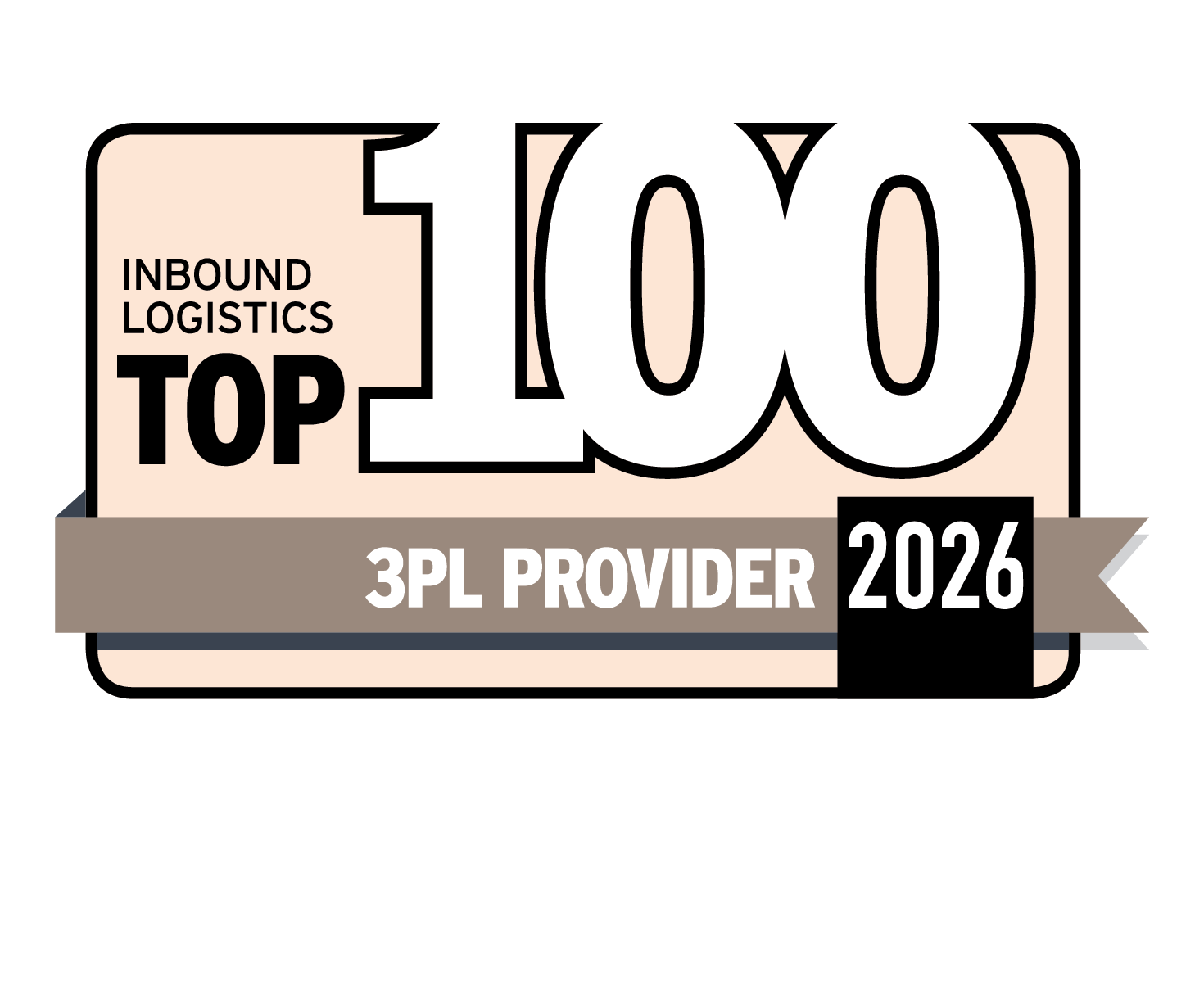
FRANKLIN, Mass., Sept 2, 2026 — Barrett Distribution Centers , a third-party logistics (3PL) provider, has been named one of Inbound Logistics’ 2026 Top 100 3PL Providers list for the second consecutive year. Each year, Inbound Logistics editors select 100 third-party logistics providers that demonstrate the capabilities and adaptability needed to support evolving supply chain demands. “Being named a Top 100 3PL for the second year in a row is especially meaningful because it reflects our consistency,” said Tim Barrett , CEO of Barrett. “Our team shows up every day focused on our clients and their businesses. I’m incredibly proud of our people and grateful to the clients and partners who continue to put their trust in Barrett.” About Barrett Distribution Centers Since 1941, Barrett has provided customized third-party logistics (3PL), direct-to-consumer (DTC) eCommerce fulfillment, omnichannel distribution, managed transportation solutions and retail compliance for clients across all industries, with a focus on apparel & footwear, health & beauty, consumer packaged goods (CPG) and education. Barrett continues to be a leading 3rd party logistics provider in North America, known for superior execution, customer engagement and direct access to senior leadership decision makers. As a member of Inc's fastest growing companies list 15+ times, Barrett is big enough to do the job and still small enough to deeply care about your business. Brands interested in a new 3PL partnership may contact Barrett directly here . Official Release Here
By September, holiday campaigns are beginning to feel real. Creative has been approved, promotions are taking shape, product launches are on the calendar, and marketing teams have spent months thinking about what will make customers stop scrolling and start shopping. A tremendous amount of thought goes into earning that holiday order. But the customer experience does not end when someone clicks “Buy.” In many ways, that is where another part of the experience begins. The package that eventually arrives at a customer's door has to live up to everything the brand promised before the purchase. The right product matters, of course, but so does when it arrives, how it is presented, whether a gift message is included, and whether the small details that make the brand recognizable are still there during one of the busiest periods of the year. For brands preparing for the holidays, September is a good time to make sure the experience being planned by the marketing team is also an experience the fulfillment team is prepared to deliver. Marketing Creates the Expectation. Fulfillment Has to Carry It Forward. Holiday marketing is designed to create a feeling. Maybe the campaign is playful and colorful. Maybe it is built around gifting, exclusivity, or a limited product release. Whatever the idea, customers begin forming expectations about the brand long before a package reaches them. Fulfillment becomes one of the few opportunities to turn those expectations into something tangible. Think about a customer buying a holiday gift from a brand for the first time. They may have discovered the product through an Instagram post or holiday campaign, but the package arriving at their home is the first physical interaction they have with that company. If the experience feels thoughtful and consistent with what they saw online, the brand feels complete. If it feels careless or disconnected, some of that excitement can disappear remarkably quickly. That is why fulfillment should be part of the campaign conversation earlier than many brands realize. The warehouse may not be creating the campaign, but it will eventually be responsible for helping bring part of it to life. The Small Details Become Big Details During the Holidays The holidays introduce a different kind of customer. People are not always shopping for themselves, which means an ordinary order can suddenly carry much more emotional weight. A gift note matters more when someone cannot be there to deliver the present personally. Thoughtful packaging matters when the recipient is opening it on Christmas morning. A promotional insert, special kit, or branded presentation can turn something purchased online into an experience that feels considered rather than transactional. Those touches sound simple until thousands of orders begin moving at once. This is where preparation becomes important. Custom packaging, branded inserts, gift messaging, kitting, and other personalization requirements need to be understood well before holiday volume reaches its highest point. Inventory has to be available, materials need to be ready, and the people preparing those orders need a clear understanding of what belongs where. At Barrett, these types of unique requirements are an important part of the work we do. Bryan Corbett, Vice President of Sales and Marketing, recently described Barrett's sweet spot as brands that have grown beyond straightforward fulfillment and need a more customized approach across multiple channels. Personalization, gift notes, specialized packaging, retail requirements, and other details can all become part of that picture. The goal is not to add complexity for the sake of it. It is to protect the experience a brand has deliberately created. Holiday Volume Should Not Make Your Brand Feel Less Like Your Brand There is an understandable temptation during busy periods to simplify everything. More orders are coming in, deadlines are tighter, and everyone is focused on keeping products moving. But customers do not lower their expectations simply because it happens to be peak season. In fact, holiday shoppers may be paying even closer attention because many purchases are gifts or first experiences with unfamiliar brands. Growth should not force a company to abandon the details that helped it grow. That is one reason flexibility matters when choosing a fulfillment partner. During his recent conversation, Bryan explained that Barrett works with brands whose requirements often extend beyond a standard fulfillment model. Some sell directly to consumers while also serving major retailers. Others need personalization, unique packaging, garment services, or specialized projects that require a more tailored approach. Those requirements are not distractions from fulfillment. For many brands, they are part of the product experience itself. And as Bryan put it during the conversation, Barrett's approach is centered on “custom, unique solutions with personalization” for brands whose businesses have become more sophisticated as they grow. September Is the Time for the Conversation Nobody wants to discover in the middle of the holiday rush that an important campaign detail never made its way to the people fulfilling the orders. If marketing is planning a special gift set, the fulfillment team should understand what is coming. If a promotion could dramatically increase demand for a particular product, that information matters. If customers are being promised special packaging or gift messaging, everyone involved in delivering that experience needs enough time to prepare. This is where a strong relationship with a 3PL becomes much more valuable than a transactional one. Bryan spoke candidly about the importance of trust between Barrett and its customers. A successful relationship develops when both sides can share information, offer advice, challenge assumptions when necessary, and understand that they are ultimately working toward the same goal. He summed up the connection between experience and trust simply: “You show your expertise through your honesty and your trustworthiness. You can't separate the two.” During the holidays, that openness becomes especially valuable. The more a fulfillment partner understands about what the brand is planning, the more opportunity there is to prepare for it rather than react to it. The Campaign Does Not End at Checkout Marketing may bring a customer to the cart, but the experience that follows can influence whether that customer remembers the brand after the holidays are over. That is worth thinking about now, while there is still time to make thoughtful decisions. The holiday season will always bring surprises. A campaign may perform better than expected, one product may suddenly become the gift everyone wants, or an opportunity may appear that was never part of the original plan. Preparation cannot eliminate every unknown, but it can give brands more room to respond without sacrificing the experience they promised customers. At Barrett, we believe the fulfillment experience should feel like a continuation of the brand rather than something that happens separately behind warehouse doors. That means understanding the details customers care about, preparing for what is coming, and building enough flexibility to protect those details as volume grows. Because after months of planning the perfect holiday campaign, the final impression should feel every bit as intentional as the first.
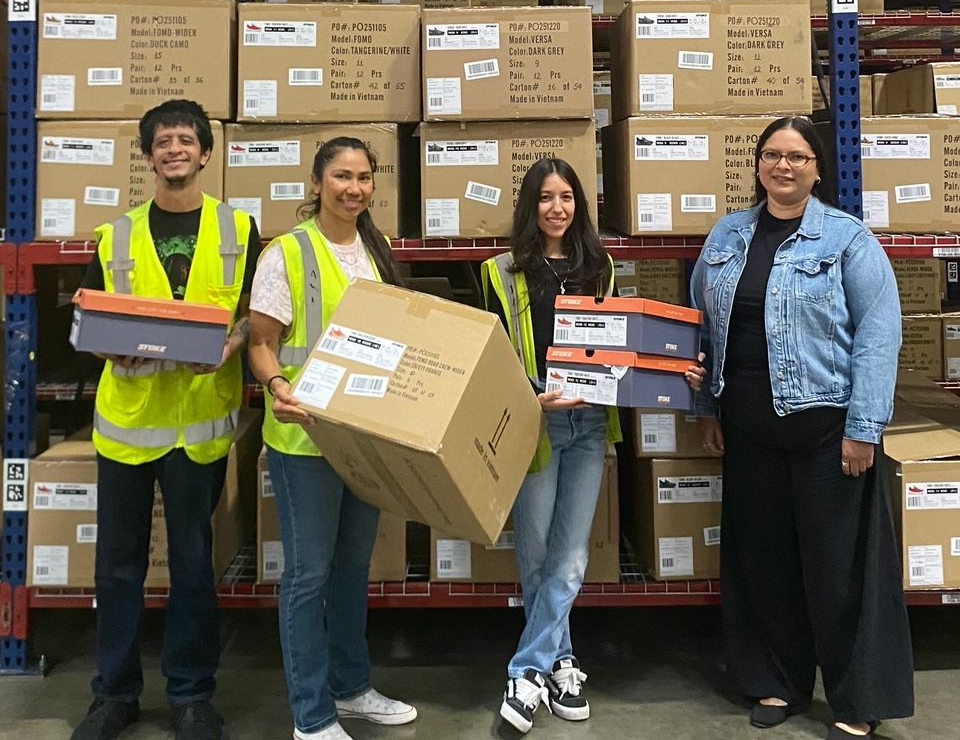
FRANKLIN, Mass. — August 28, 2026 — As STOKE Shoes prepares for its next phase of growth, the emerging footwear brand has selected Barrett Distribution Centers as its omnichannel fulfillment and third-party logistics (3PL) partner. STOKE is redefining comfort and fit for consumers seeking premium footwear designed for wider feet. “Barrett moved quickly, communicated clearly, and understood what we needed as a startup brand preparing for growth,” said Rick Blackshaw , founder of STOKE Shoes. “Their team brought the operational experience, technology guidance, and partnership mindset we needed to support our customers and retail partners from day one.” Founded in 2025, STOKE Shoes was created to serve men often overlooked by traditional athletic footwear brands, with shoes designed for wide and wider feet. The brand launched with a direct-to-consumer model and has since expanded into retail distribution, including placement in more than 450 stores nationwide. STOKE's momentum continues with the recent addition of sports media personality and creator Caleb Pressley as creative lead and partner. Known for his Sundae Conversation interview series and distinctive presence across sports and digital media, Pressley will collaborate with STOKE on creative campaigns, content and brand development. The partnership also includes plans for a signature STOKE shoe expected later this year, adding another dimension to the brand's growing presence across retail, digital and cultural channels. Barrett was selected for its experience with start-up and high-growth footwear brands, strong references, responsive implementation approach, and ability to provide scalable omnichannel fulfillment across multiple facilities. STOKE’s team was also impressed by Barrett’s Montebello facility, team energy, operational cleanliness, and technology-enabled approach. “From our first conversation, it was clear that STOKE had the vision, leadership, and brand discipline to scale quickly,” said Scott Hothem , senior vice president of customer solutions at Barrett. “Rick and his team were looking for more than a fulfillment provider. They needed a partner with deep footwear experience, strong systems expertise, and the ability to support both DTC and retail growth. We’re proud to help bring that vision to life.” Barrett’s fulfillment capabilities include B2C and B2B omnichannel fulfillment, pick and pack, warehousing, value-added services, managed transportation, retail compliance, and technology-enabled reporting. The company’s national footprint and experience across apparel, footwear, consumer products, food and beverage, health and beauty, and ecommerce make it a strong partner for brands scaling across channels. As STOKE reaches vast audiences and expands its retail presence, Barrett provides the fulfillment support behind that growth. With experience supporting emerging footwear brands across direct-to-consumer and retail channels, Barrett was selected to help STOKE scale its omnichannel operation. About STOKE Shoes Most guys are wearing shoes that are too narrow: 75% of men have wide feet but only 25% are wearing wide shoes. This means squished toes, collapsed arches, and shot posture. STOKE was built to fix all that. At STOKE, we don’t do “medium.” Our shoes come in two widths: WIDE (E/2E) and WIDER (3E/4E) that actually match your foot anatomy. We’ve designed STOKE around your full foot; not just your length, but your width, girth, and foot splay. STOKE shoes are made for Splay not Containment so your foot can spread out and do its job. About Barrett Distribution Centers Barrett Distribution is a leading third-party logistics (3PL) provider delivering customized warehousing, fulfillment, transportation, and value-added logistics solutions for growing brands. With decades of experience managing complex supply chains, Barrett serves apparel, footwear, consumer products, and other high-touch industries, helping brands scale efficiently and deliver exceptional customer experiences. Barrett has also been recognized as one of Inc.’s Fastest-Growing Private Companies in America more than 15 times, reflecting its long-term growth and commitment to helping clients succeed. Barrett combines experienced people, flexible operations, advanced technology, and a highly customized approach to meet each client’s unique needs. From direct-to-consumer and ecommerce fulfillment to retail and omnichannel distribution, Barrett provides the expertise and infrastructure brands need to scale with speed, accuracy, and service. Media Contact: Faith Artieda Marketing Content Specialist Faith.artieda@barrettdistribution.com
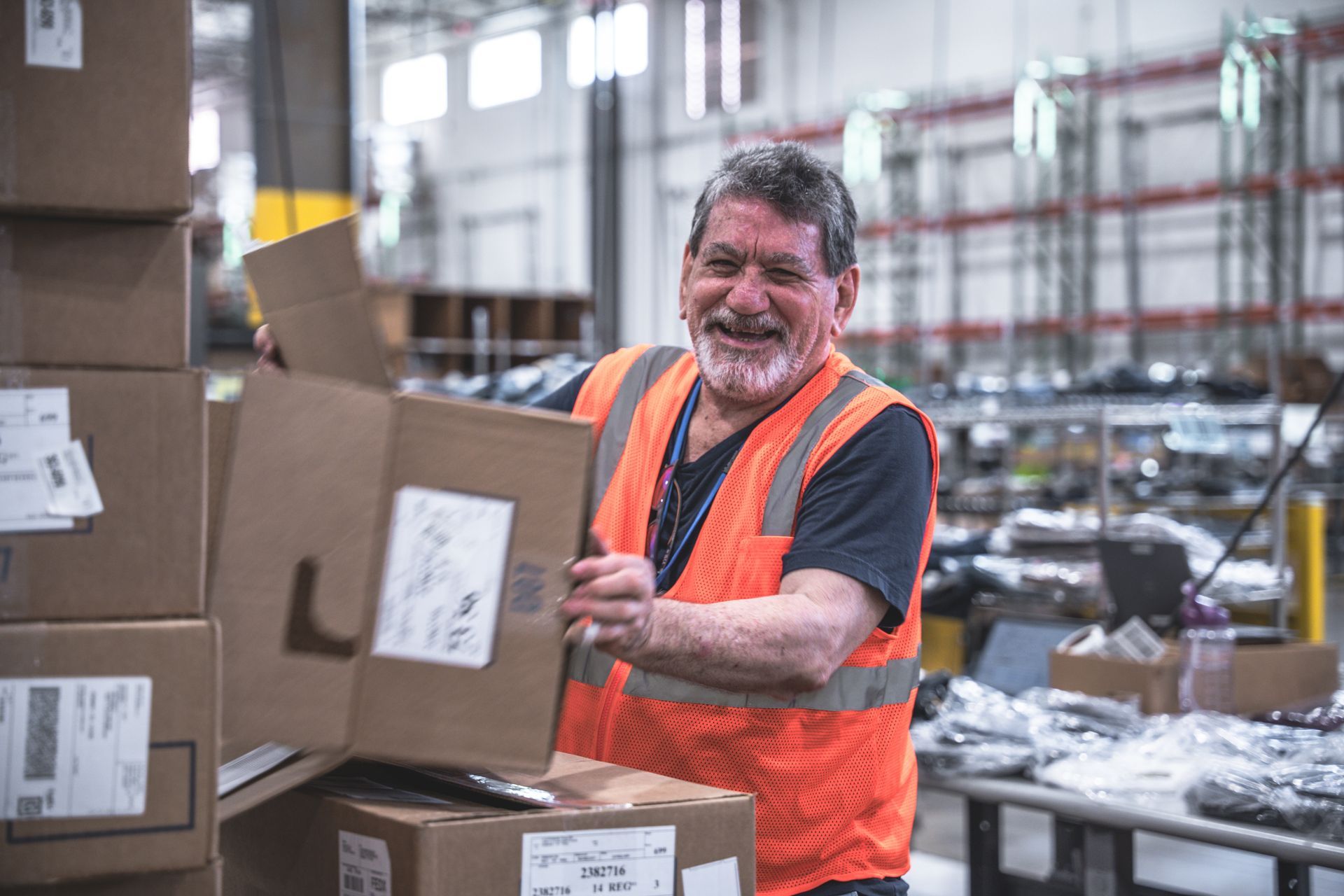
When a package arrives at someone's doorstep, the experience feels wonderfully simple. The customer opens the box, finds exactly what they ordered, and moves on with their day. If everything goes right, they may never give much thought to how that order traveled from a warehouse shelf to their front door. And in many ways, that is the point. What customers do not see are the people, decisions, and attention to detail behind that seemingly effortless moment. Before a package ever reaches a doorstep, there are countless opportunities to get something right, catch something early, or make an experience just a little better. That work happens quietly, but it has a very real influence on how customers experience a brand. There Is a Lot Behind a Simple Order An order may begin with a click, but what follows involves much more than placing a product in a box. Inventory needs to be in the right place and ready when it is needed. The correct item has to be selected, packaging requirements need to be followed, and any special details associated with the order have to make it into the final package. For some brands, those details might include a personalized message, a promotional insert, a carefully assembled kit, or packaging designed to make opening the box feel special. For others, the goal is beautifully simple: make sure the right product reaches the right person when they expect it. Customers rarely think about any of this when everything goes smoothly. They simply experience a brand that followed through on its promise. That is what makes the work happening behind the scenes so important. The Little Details Carry More Weight Than We Think Brands put enormous thought into how customers experience them. Everything from a website's design to the language used in an email can be carefully considered, yet the physical order is one of the few moments when a customer gets to hold that brand experience in their hands. A missing item or careless presentation can change that experience quickly. On the other hand, an order that arrives accurately and feels thoughtfully prepared reinforces the confidence a customer already placed in the brand. Sometimes an extra detail makes the experience even more personal. A handwritten message, branded insert, or customized package can turn an ordinary delivery into something a customer wants to share or remember. These may seem like small touches when viewed individually, but customers often build their impression of a brand through exactly these kinds of moments. Behind Every Box Are People Who Care About Getting It Right Technology plays an important role in modern fulfillment, but there is still a very human element behind every order. There are people receiving products, managing inventory, preparing orders, checking details, solving unexpected problems, and making decisions throughout the day. Much of that work will never be visible to the person opening the package, but that does not make it any less meaningful. At Barrett, we see fulfillment as more than moving products from one place to another. When a customer entrusts us with their products, they are also trusting us with a piece of the relationship they have built with their own customers. That responsibility matters. It is why attention to detail matters. It is why communication matters. And it is why having people who take pride in their work can make such a difference. Sometimes the Best Experience Feels Effortless There is an interesting thing about great fulfillment: when it is done well, customers may never notice it. There is no reason to wonder where the package is. No surprise when the box is opened. No need to contact customer service because something is missing. The experience simply unfolds the way it was supposed to. Behind that simplicity, however, are people working every day to make it possible. Your customers may never see the warehouse their order came from or meet the people who prepared it. They may never know about the problem someone caught before their package left the building or the extra care that went into getting a detail exactly right. But they experience the result. And sometimes, the things customers never see are the very things that keep them coming back.
There is a moment every growing brand hopes for. Orders start coming in faster. Your name begins showing up in more places. A product that once had a loyal following suddenly has thousands of new people talking about it. Maybe a video takes off overnight, a major retailer wants to put your products on its shelves, or a campaign reaches an audience far beyond what you expected. It is the kind of momentum businesses work years to create, and when it finally happens, there is a lot to celebrate. But somewhere between watching the numbers climb and figuring out what comes next, another realization tends to set in. Your business now has to deliver on all that attention. The customers discovering your brand for the first time do not know that your order volume doubled this week. They do not know your team is working through a record number of shipments or that inventory is moving faster than anyone predicted. They simply know what they ordered, what your brand promised, and what they expect when the package arrives. That is where growth becomes more than a sales story. It becomes a test of whether everything happening behind your brand is ready for the attention happening in front of it. Growth Changes More Than Your Order Volume When demand increases quickly, the obvious change is the number of orders coming through. What is easier to overlook is everything that changes along with them. More products need to be received, stored, picked, packed, and shipped. Inventory that once lasted for weeks may disappear in days. Customer service teams may see more questions. Packaging supplies are used faster. A process that felt effortless at a smaller scale can suddenly require much more time and coordination. None of that means growth has become a problem. It simply means your business has entered a new chapter, and the way you operate may need to mature along with it. This is often when brands begin to see the difference between having a fulfillment process that works and having one that can grow with them. The goal is not just to get through a sudden increase in orders. It is to build enough flexibility into the business that growth can continue without constantly creating another fire to put out. Your New Customers Still Expect the Same Experience There is another side to sudden growth that matters just as much as keeping up with orders. Many of the people purchasing from you during this period may be meeting your brand for the first time. That makes every order an introduction. The excitement surrounding your product may be what convinced someone to buy, but what happens afterward helps determine whether they come back. The correct item needs to arrive. Packaging should still feel intentional. Personalized touches, branded inserts, gift messaging, or special presentation should not disappear simply because there are more orders to fulfill. These details become even more meaningful as a brand grows because they help preserve the personality that attracted customers in the first place. It can be tempting to think that scale requires sacrificing some of those smaller touches. With the right preparation and the right people behind the operation, growth should create opportunities to bring your brand experience to more customers without losing what made it memorable. The Best Time to Prepare for Growth Is Before You Need To Of course, no business can predict the exact moment something will take off. That is part of what makes growth exciting. What you can do is have conversations about what happens if it does. These are much easier questions to explore when your team has room to think rather than when thousands of orders are already waiting. Preparation does not require knowing exactly what the future will look like. It means creating enough flexibility that when an opportunity arrives, your first reaction can be excitement rather than concern about whether you can handle it. Your Fulfillment Partner Should Be Thinking About What Comes Next Too As a brand evolves, the relationship with its fulfillment partner should evolve with it. A good partner understands what you need today. A great one is curious about what you might need tomorrow. That means conversations should extend beyond current order volume. Where is the business heading? Are you pursuing retail opportunities? Are new products coming? Is international expansion part of the plan? Are you expecting a major marketing campaign to introduce the brand to a much larger audience? At Barrett, these conversations matter because understanding where a customer wants to go gives our teams a clearer picture of how we can help them get there. Growth rarely happens in a perfectly predictable line, so having people who already understand your business can make those unexpected opportunities much easier to navigate. The relationship becomes less about reacting to the next order and more about preparing for the next chapter. When the Big Moment Comes, Be Ready to Enjoy It There is something special about watching a brand reach a level that once felt far away. The orders coming in represent more than numbers on a screen. They represent new customers discovering what you created, years of work beginning to pay off, and opportunities that may not have existed even a few months earlier. That moment should feel exciting. It should not be overshadowed by wondering where you are going to put the inventory, whether orders will leave on time, or whether the customer experience will suffer because demand exceeded expectations. Growth will always bring new questions, and there will inevitably be adjustments along the way. What matters is having the people, preparation, and partnerships in place to meet those changes with confidence. At Barrett, we believe fulfillment should give brands room to pursue what comes next. Because when the moment arrives and more people than ever are ready to experience your brand, your focus should be on where that momentum can take you next.
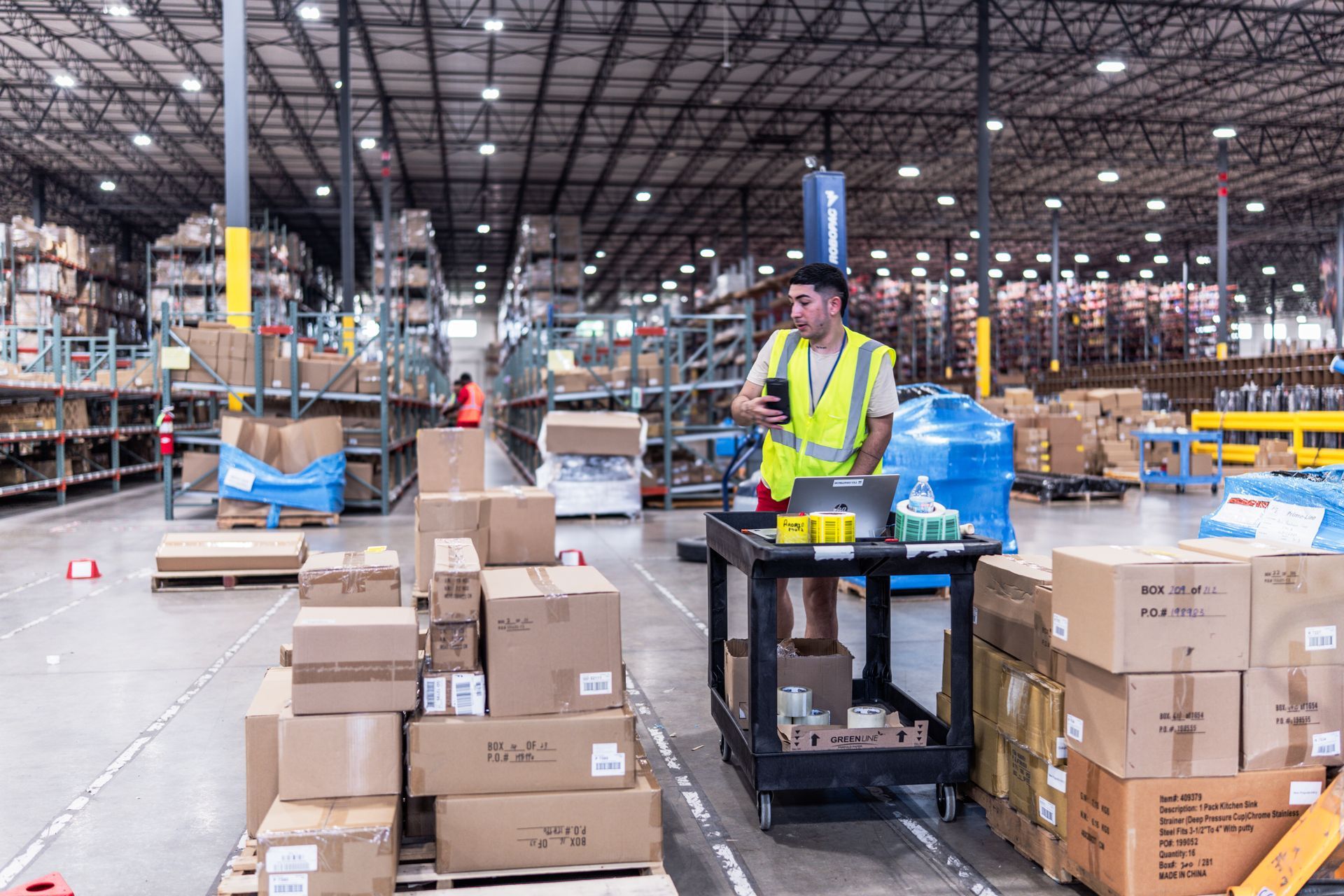
Peak season has a way of arriving slowly, and then all at once. One minute, teams are finalizing promotions and reviewing forecasts; the next, order volumes are climbing, inventory is moving faster, and customers are expecting their purchases to arrive without a hitch. For brands, September is an important point in that transition. There is still time to prepare, but the decisions being made now can influence how smoothly the busiest months of the year unfold. Peak season tends to magnify what is already happening within a supply chain. Processes that work comfortably during an average week may feel very different under holiday volume, while small gaps in communication, capacity, or planning can quickly become much harder to manage. Being ready, then, isn't simply about having enough inventory in the warehouse. It's about understanding how your entire fulfillment operation will respond when there's more pressure on it—and having the right conversations before that pressure arrives. Here are five questions worth asking while there's still time to act on the answers. 1. How Well Do You Really Understand the Demand Ahead? No forecast can predict exactly what customers will do, especially during a season shaped by promotions, changing buying habits, and unexpected spikes in demand. But there's an enormous difference between entering peak season without certainty and entering it without a plan. Historical order patterns are a good place to begin, but they shouldn't be the only consideration. Upcoming promotions, new product launches, retail commitments, marketing campaigns, inventory arrivals, and anticipated changes in order profiles can all influence what your fulfillment operation will need to handle. More importantly, that information needs to make its way beyond your internal planning meetings. Your 3PL can't prepare for a promotion it doesn't know about, just as it can't anticipate a sudden change in order volume without visibility into what's ahead. The earlier those conversations happen, the more opportunity there is to think through labor, space, inventory positioning, and potential contingencies together. Barrett's Vice President of Customer Solutions, Scott Wilkins, spoke about the value of understanding the bigger picture during a recent Inside Barrett conversation: “The more you are able to uncover from what their pain points are, what direction they want to go, what their business plan looks like, not only leads to a better solution, but it leads to more cost certainty.” Peak planning is really an extension of that philosophy. The more both sides understand about what's coming, the better prepared they can be for it. 2. Can Your Operation Absorb More Volume Without Losing What Customers Value? Handling more orders is only one measure of peak-season readiness. The more meaningful question is whether your operation can absorb that additional volume while maintaining the experience your customers have come to expect. A fulfillment process may run beautifully under normal conditions, but peak season puts every part of it under greater strain. More inventory is moving through the building, more orders are entering the system, labor requirements shift, carrier schedules tighten, and there is less room for small inefficiencies to hide. That's why capacity conversations should go beyond, “How many orders can we ship?” Can you maintain accuracy at that volume? Can orders still meet expected service levels? Is there enough flexibility if demand exceeds the forecast? What happens if a promotion performs significantly better than anticipated? Those questions aren't meant to create anxiety around peak season. They're meant to uncover vulnerabilities while there's still time to strengthen them. 3. Are You Talking to Your 3PL Enough? Some of the most productive peak-season planning doesn't happen in a spreadsheet. It happens in conversations. Your logistics partner should know what's changing within your business, just as you should understand what's happening within your fulfillment operation. Forecasts will change. Promotions will evolve. Inventory may arrive earlier or later than anticipated. None of that is unusual—the challenge comes when those changes aren't communicated until they become urgent. Mark Healy spoke about this during his appearance on The New Warehouse Podcast, emphasizing that peak planning shouldn't suddenly begin when the holiday rush is already approaching: “If we're doing a good job, we should be doing this year-round. Peak is peak, but we shouldn't just be popping our heads up.” That perspective takes some of the drama out of peak season. When customers and their 3PL are already accustomed to sharing forecasts, discussing changes, reviewing performance, and planning ahead together, the busiest months don't require an entirely new relationship. They're simply a more demanding period within an established one. And when something unexpected inevitably happens, both teams already know how to communicate and solve it together. 4. Have You Thought About What Happens After the Order Leaves the Shelf? Peak season conversations naturally revolve around volume, labor, and shipping deadlines, but customers experience something much more personal. They experience their order. For someone purchasing a holiday gift, the package arriving at their door may be the only physical interaction they ever have with your brand. How it arrives, how it's packaged, whether the right item is inside, and how easy it is to return all contribute to the impression that customer carries forward. For brands that incorporate personalization, gift messaging, branded inserts, special packaging, or kitting into the experience, those details can become even more meaningful during the holidays. They also introduce additional operational considerations that need to be planned for before volumes accelerate. Peak season success shouldn't be defined solely by how many packages leave the warehouse. It should also be measured by whether the experience inside those packages still feels like your brand. 5. Is Your 3PL Preparing With You—or Simply Waiting for the Volume? Perhaps the most revealing peak-season question isn't about inventory, labor, or forecasts. It's about the relationship you have with the people responsible for helping you manage all three. A strong logistics partner shouldn't disappear between operational reviews and reappear when something goes wrong. They should be paying attention to where your business is headed, asking questions about what's changing, and helping identify challenges before they reach your customers. Mark described that responsibility particularly well when he said: “We should be in a position as the professionals to look around corners for our customers.” That's an important distinction during peak season. There will always be circumstances no one can predict, but proactive planning creates more room to respond when they happen. A 3PL that understands your business can help you think through those possibilities before they become emergencies, rather than simply reacting once the pressure is already there. The best partnerships make peak season feel less like your problem and their problem and more like a challenge everyone is prepared to navigate together. Peak Season Readiness Starts Before Peak Season There will always be an element of unpredictability in logistics, and perhaps nowhere is that more apparent than during the busiest months of the year. A promotion may outperform expectations, consumer demand may shift, or an unforeseen disruption may require everyone to adjust quickly. Being prepared doesn't mean eliminating every surprise. It means creating an operation—and a partnership—that can respond when surprises happen. That's why the conversations taking place in September matter. This is the opportunity to look closely at forecasts, question assumptions, address potential constraints, and make sure everyone understands what's ahead. It may not be the most visible part of peak season, but it's often the work that determines how everything else unfolds. At Barrett, we believe the strongest peak seasons are built through preparation long before the busiest orders begin arriving. When customers and their logistics teams communicate openly, plan thoughtfully, and trust one another enough to have difficult conversations early, there's less time spent reacting when the pressure rises—and more time focused on what matters most: delivering an experience customers can count on.