What Is Omnichannel Fulfillment?
Your ecommerce business is thriving. Orders are flowing in through your Shopify store, Amazon sales continue to climb, and then it happens—you land your biggest opportunity yet: a purchase order from a major retailer like Walmart, Target, or Costco.
It's the kind of milestone every growing brand works toward.
But for many businesses, it's also where fulfillment becomes significantly more complicated.
Suddenly, you're managing multiple sales channels, each with its own shipping requirements, inventory demands, compliance standards, and customer expectations. What worked when you were shipping directly to consumers may no longer be enough to support retail distribution.
This is where omnichannel fulfillment becomes essential.
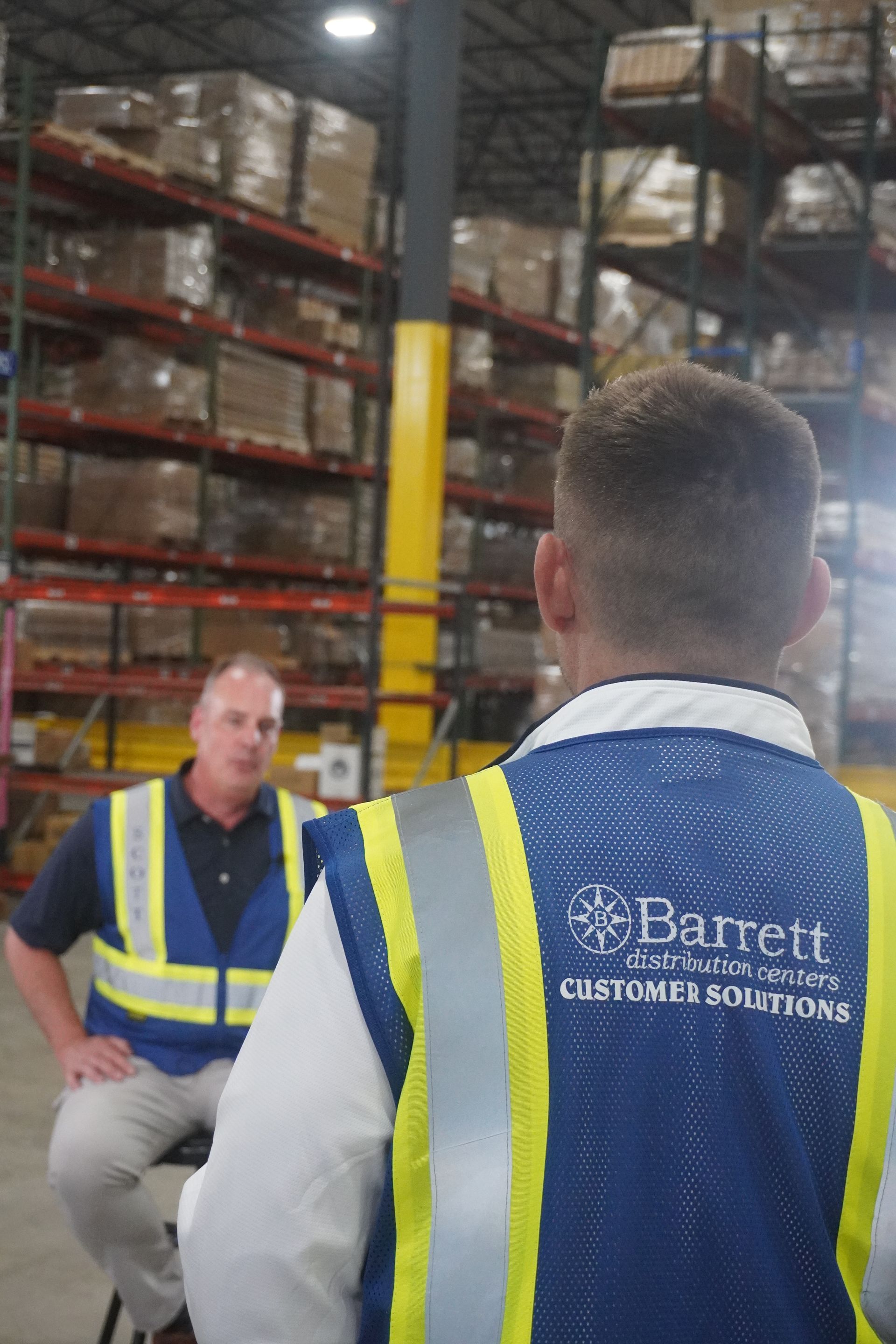
Faith Artieda spoke with Barrett's Senior Vice President of Customer Solutions, Scott Hothem, explained that omnichannel fulfillment isn't simply about shipping products through multiple channels—it's about having the operational expertise to manage every channel successfully while maintaining a consistent customer experience.
More Than Shipping Orders
Many people assume omnichannel fulfillment simply means offering multiple ways for customers to buy products. While that's true from the consumer's perspective, the logistics behind those purchases are entirely different.
A customer placing an order on your website expects fast, accurate delivery to their front door. That order may include just one or two items that need to be individually picked, packed, and shipped.
A retailer, on the other hand, might place a purchase order for thousands of units. Those shipments often require palletization, retailer-specific labels, advance shipment notifications (ASNs), routing guide compliance, scheduled delivery appointments, and strict packaging requirements. Missing even one requirement can result in costly chargebacks or delayed deliveries.
"The channels are very, very different," Scott explained during the interview. "How you manage inventory is different. Those retailers often want unique SKUs that you don't sell on your primary direct-to-consumer website."
Although both orders originate from the same inventory, they require completely different operational workflows.
Growth Creates Complexity
For many brands, expanding into retail feels like the natural next step—but it also introduces new challenges.
Inventory must remain synchronized across every sales channel. Technology systems need to communicate seamlessly. Customer expectations continue to rise, and retailers demand near-perfect compliance.
Without the right fulfillment strategy, brands can quickly become overwhelmed.
That's why Scott believes the role of a 3PL extends far beyond storing inventory and shipping packages.
At Barrett, the goal is to help brands navigate these transitions before they become problems. Whether a company is launching its first retail partnership or rapidly scaling its ecommerce business, Barrett works alongside customers to build fulfillment solutions that evolve with their growth—not solutions they'll outgrow in a year or two. As Scott put it during the interview, Barrett strives to become a brand's "forever 3PL" by supporting customers through every stage of their journey.
Omnichannel Is About Visibility, Flexibility, and Partnership
Successful omnichannel fulfillment requires much more than warehouse capacity.
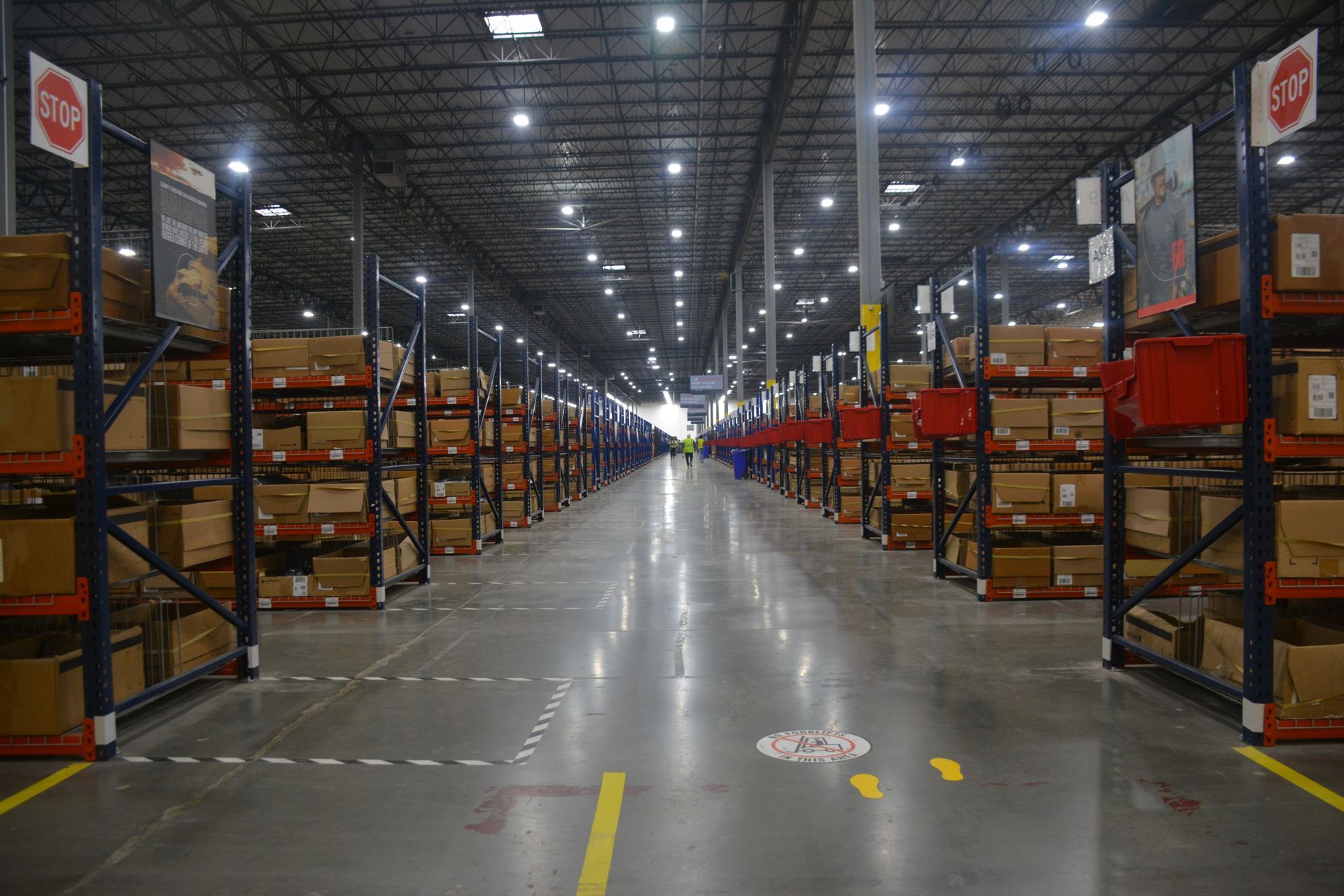
It depends on real-time inventory visibility, seamless technology integrations, retail compliance expertise, transportation management, and a fulfillment operation capable of adapting as customer demand changes. It also requires a logistics partner that understands your business well enough to anticipate challenges before they impact your customers.
That's the approach Barrett has taken for more than 80 years.
Rather than offering a one-size-fits-all fulfillment model, Barrett designs customized omnichannel solutions that allow brands to manage direct-to-consumer, wholesale, marketplace, and retail fulfillment through a single, integrated operation. With expertise in retail compliance, transportation management, value-added services, and advanced warehouse technology, Barrett helps brands simplify complex supply chains while preparing for future growth.
Looking Ahead
Today's consumers don't think about fulfillment channels—they simply expect their orders to arrive on time, regardless of where they made the purchase.
For brands, meeting those expectations requires more than great products. It requires a fulfillment strategy built to support every channel, every customer, and every stage of growth.
As Scott shared in Inside Barrett, the right 3PL doesn't just help you fulfill today's orders. It helps prepare your business for tomorrow's opportunities. And that's what omnichannel fulfillment is really all about.
Recent Blog Posts