
What is the Most Common Cause of Fulfillment Errors? (September 2026)
Fulfillment errors often result from breakdowns in inventory accuracy, picking and packing processes, order data, or warehouse procedures. When inventory records, product information, and fulfillment workflows are not aligned, the risk of shipping the wrong product, quantity, or order increases.
For growing brands, preventing fulfillment errors requires strong inventory controls, standardized processes, technology, employee training, and ongoing quality management.
Key Takeaways
- Fulfillment errors can originate from inventory, picking, packing, order data, or process issues.
- Accurate inventory and standardized warehouse processes help reduce mistakes.
- Technology can improve visibility and help identify fulfillment issues.
- Root-cause analysis and continuous improvement are important for preventing recurring problems.
How Does Inventory Accuracy Affect Fulfillment?
Accurate fulfillment starts with accurate inventory.
If physical inventory does not match warehouse system records, associates may encounter missing products, incorrect quantities, or other discrepancies during fulfillment. Maintaining strong receiving and inventory control processes helps create a more reliable foundation for outbound orders.
Barrett tracks inventory accuracy as part of its performance metrics and uses inventory controls, reporting, and warehouse technology to support operational execution.
Can Picking and Packing Mistakes Cause Fulfillment Errors?
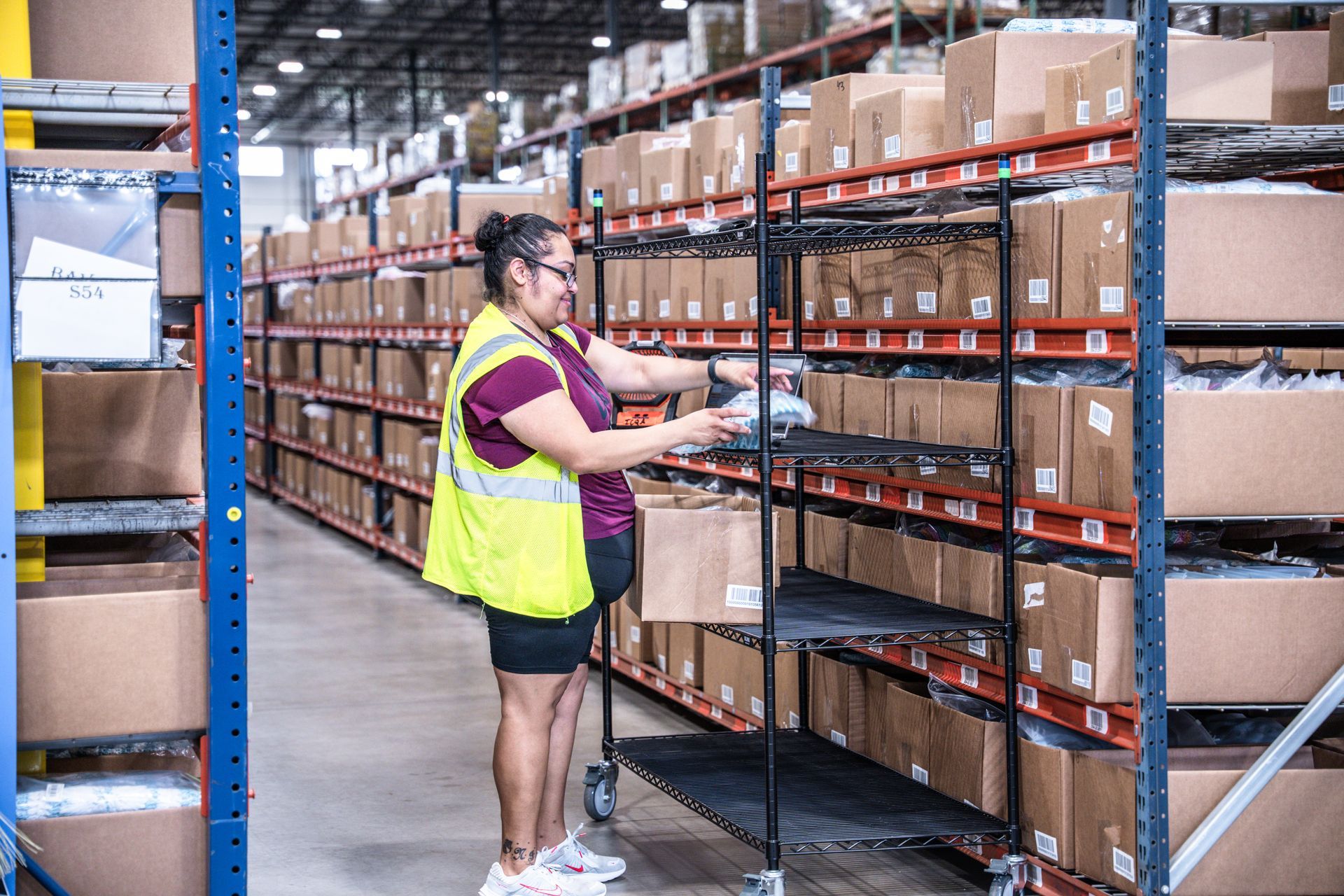
Yes. Picking and packing are critical points in the fulfillment process because this is where inventory is selected and prepared for shipment.
As order volumes increase, warehouse operations need processes that help associates complete work consistently and accurately. Technology, documented procedures, training, and quality controls can help reduce opportunities for mistakes.
Barrett's technology environment includes WMS capabilities such as real-time tasking and flexible RF deployment, along with automation designed to support warehouse workflows.
Can Incorrect Product Data Lead to Fulfillment Problems?
Yes. Accurate data is essential to warehouse operations.
Incorrect item information—including units of measure, dimensions, weights, and other product details—can create problems throughout receiving, inventory management, fulfillment, shipping, and billing.
Barrett's implementation materials specifically identify data integrity as critical to a successful onboarding and note that inaccurate item information can contribute to inaccurate shipments and inventory control issues.
How Can Warehouse Processes Reduce Fulfillment Errors?
Standardized processes create consistency.
Documented procedures, employee training, inventory controls, and quality management help warehouse teams understand how orders should move through an operation. When an issue does occur, identifying why it happened is equally important.
Barrett's Business Process Optimization approach emphasizes documented processes, continuous training, inventory control, and root-cause analysis when a process fails. Its stated quality goal is zero defects.
How Does Technology Help Prevent Fulfillment Errors?
Warehouse technology provides greater control and visibility throughout the fulfillment process.
A warehouse management system can support inventory management, customer-specific processing, task management, and order workflows. Reporting and analytics can then help operations teams monitor performance and identify potential issues.
Barrett uses a KPI engine and analytics capabilities to monitor metrics including order accuracy, inventory accuracy, fill rate, and on-time fulfillment.
What Happens When a Fulfillment Error Occurs?
The goal shouldn't simply be to correct an individual error. Operations teams should determine why it occurred and whether a larger process needs improvement.
Barrett uses a closed-loop quality process in which facilities identify issues and assign root causes. Its Quality Control team supports the corrective action process, while reporting tools help analyze issues by facility, client, and issue type.
This type of root-cause analysis can help prevent the same problem from repeatedly affecting future orders.
Frequently Asked Questions
What causes fulfillment errors?
Fulfillment errors can result from inaccurate inventory, incorrect product data, picking or packing mistakes, and inconsistent warehouse processes.
What are common examples of fulfillment errors?
Examples include shipping the wrong item, incorrect quantities, incomplete orders, inventory discrepancies, or orders that do not meet customer or retailer requirements.
How can a 3PL reduce fulfillment errors?
A 3PL can use inventory controls, warehouse technology, documented processes, employee training, quality management, and performance reporting to support accurate fulfillment.
What fulfillment KPIs should brands monitor?
Order accuracy, inventory accuracy, fill rate, on-time fulfillment, order cycle time, and receiving accuracy can provide useful insight into fulfillment performance. Barrett tracks these and other operational KPIs within its reporting environment.
Recent Blog Posts