Overflow Warehousing Explained: When and Why Your Business Needs It

Faith Artieda • August 20, 2026

For many businesses, warehouse space is never a concern—until it suddenly is. Whether it's preparing for peak season, managing a surge in customer demand, or receiving an unexpected shipment from a supplier, running out of warehouse capacity can create operational challenges that impact every part of the supply chain.


Rather than scrambling to make room or delaying inventory deliveries, many companies turn to overflow warehousing. This flexible storage solution helps businesses manage fluctuations in inventory without the expense of expanding or leasing a permanent facility.


Understanding how overflow warehousing works and when to use it can help businesses maintain efficient operations while continuing to meet customer expectations.


What Is Overflow Warehousing?

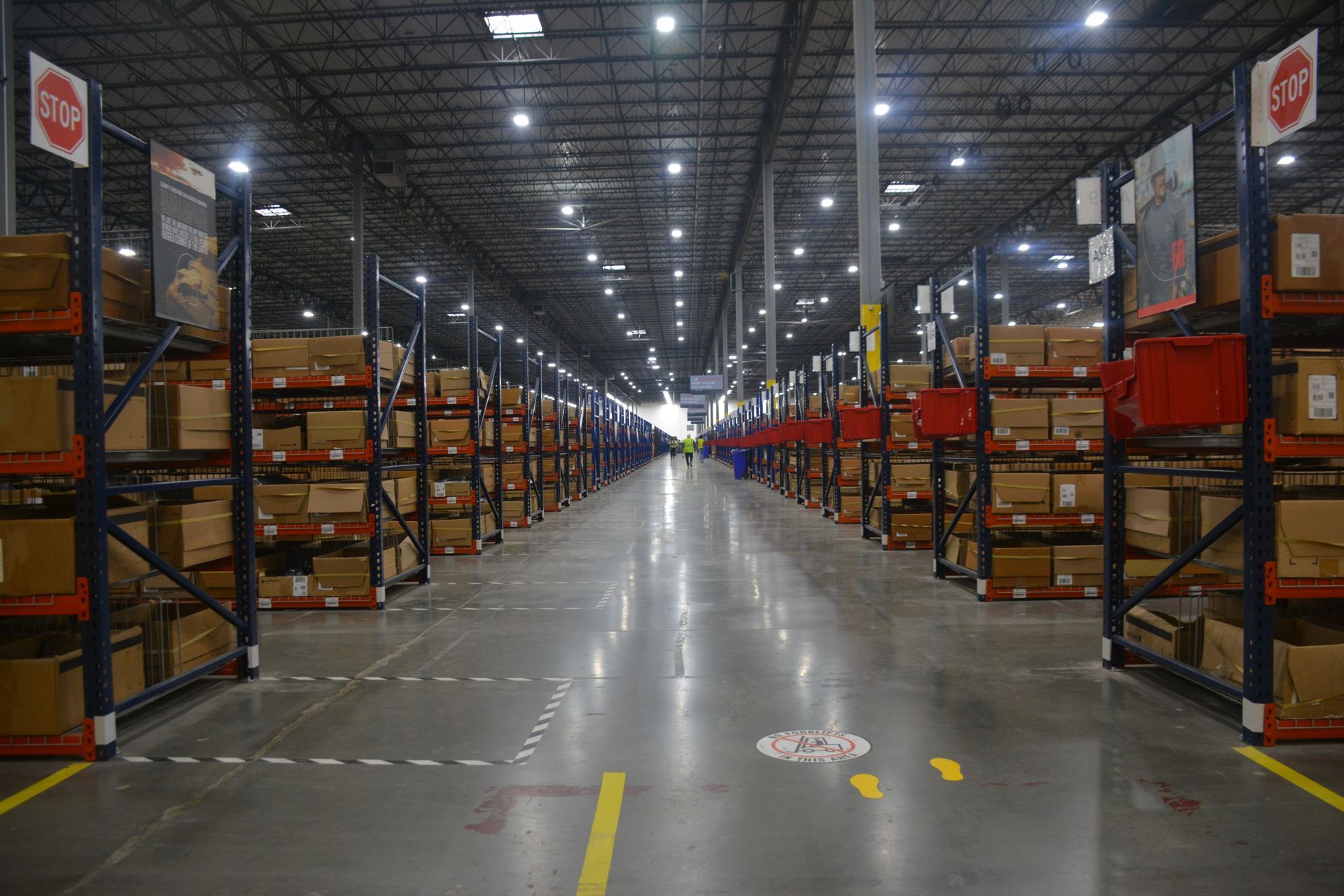
Overflow warehousing is the temporary storage of excess inventory at an off-site warehouse when your primary facility reaches capacity. Instead of overcrowding your existing warehouse or slowing down operations, inventory is stored at a secondary location until it's needed.

These facilities are often operated by third-party logistics providers, giving businesses access to additional warehouse space without the long-term commitment of building or leasing another distribution center.


Overflow warehousing is designed to provide flexibility. Whether you need extra storage for a few weeks or several months, it allows your business to adapt to changing inventory levels without disrupting daily operations.


Why Businesses Use Overflow Warehousing

Inventory levels don't stay the same throughout the year. Seasonal demand, promotional events, supplier schedules, and business growth can all create temporary spikes that exceed available warehouse space.


Retailers often increase inventory well before the holiday shopping season to ensure products are available when demand rises. Manufacturers may receive large production runs that need to be stored before distribution. Importers frequently experience inventory surges when overseas shipments arrive all at once.


Without additional storage, these situations can lead to crowded aisles, inefficient picking paths, delayed receiving, and reduced productivity throughout the warehouse.


Overflow warehousing provides businesses with the flexibility to absorb these temporary increases while keeping their primary operations organized and efficient.


Signs You May Need Overflow Storage

Many businesses don't realize they've outgrown their warehouse until operational issues begin affecting customer service.

If warehouse aisles are becoming congested, inventory is being stored in temporary locations, or employees are spending more time moving products than fulfilling orders, it may be time to consider overflow warehousing.


Other indicators include preparing for peak season, launching new products, increasing safety stock, onboarding new customers, or experiencing rapid business growth.


When warehouse utilization consistently approaches capacity, even small increases in inventory can create significant operational bottlenecks. Securing overflow storage before space becomes critical helps avoid unnecessary disruptions.


The Benefits of Overflow Warehousing

One of the biggest advantages of overflow warehousing is flexibility. Businesses can quickly increase storage capacity without investing in additional buildings, equipment, or permanent labor.


Overflow facilities also help improve warehouse efficiency. By relocating slower-moving or reserve inventory to a secondary location, the primary warehouse can focus on faster-moving products and daily order fulfillment.


This often results in improved organization, faster picking times, and fewer errors during receiving and shipping.

Another important benefit is cost control. Expanding or purchasing warehouse space requires significant capital investment and long-term planning. Overflow warehousing allows businesses to pay only for the storage space they need, making it a more cost-effective solution for temporary inventory increases.


Working with a third-party logistics provider can also provide access to experienced warehouse teams, inventory management technology, and transportation services, helping businesses scale operations without adding internal resources.


Overflow Warehousing During Peak Season

Peak season is one of the most common reasons businesses utilize overflow warehousing.

As inventory levels increase in preparation for holiday sales and seasonal demand, warehouse capacity can disappear quickly. Bringing inventory into storage early helps ensure products are available when customers begin placing orders, but it also requires additional space.


Overflow warehousing gives businesses the ability to stage inventory ahead of peak season while keeping their primary fulfillment operations running efficiently.


Rather than overcrowding picking areas or limiting receiving capacity, inventory can be strategically stored and replenished as demand increases throughout the season.


This approach helps improve productivity while reducing the risk of shipping delays during the busiest months of the year.


Choosing the Right Overflow Warehousing Partner

Not all overflow storage solutions are the same. Businesses should look for a logistics partner that offers more than just available warehouse space.


Inventory visibility is critical. A reliable warehouse management system should allow businesses to track inventory accurately across multiple locations and provide real-time updates when products are received, stored, or shipped.

Location also matters. Choosing an overflow warehouse near manufacturing facilities, ports, transportation hubs, or your primary distribution center can reduce transportation costs and improve delivery times.


Operational experience is equally important. A warehouse partner should have established processes for receiving, storing, managing, and distributing inventory while maintaining high standards for accuracy and service.


Many companies choose to work with a 3PL because they can provide integrated warehousing, transportation, and fulfillment services under one provider, creating a more streamlined supply chain.


Is Overflow Warehousing Right for Your Business?

Overflow warehousing isn't only for large retailers or global manufacturers. Businesses of all sizes can benefit from additional warehouse capacity when inventory levels temporarily exceed available space.


If your company experiences seasonal demand, rapid growth, supplier fluctuations, or large inventory purchases, overflow warehousing can provide the flexibility needed to maintain efficient operations without committing to permanent expansion.


By planning ahead and securing additional storage before capacity becomes an issue, businesses can reduce operational disruptions, improve warehouse productivity, and continue delivering the reliable service customers expect.


Preparing for Growth with Flexible Warehousing

Today's supply chains require businesses to be more adaptable than ever. Customer demand can change quickly, inventory needs fluctuate, and warehouse space is a valuable resource that should be used efficiently.


Overflow warehousing provides a practical solution for companies that need additional capacity without the cost and complexity of expanding their facilities. Whether you're preparing for peak season, managing unexpected inventory increases, or planning for future growth, having access to flexible warehouse space allows your business to respond with confidence.


When integrated into a broader logistics strategy, overflow warehousing becomes more than just extra storage—it becomes a tool for improving efficiency, protecting customer service, and supporting long-term business growth.

Recent Blog Posts
By Faith Artieda • October 2, 2026
Customers may never know the names of the people receiving inventory, preparing orders, managing fulfillment, or solving problems behind the scenes. They may never see the warehouse at all. Yet every one of those decisions eventually reaches them. That reality makes the relationship between a brand and its 3PL unusually consequential. Fulfillment may happen outside a company's own walls, but the experience it creates still carries the company's name. Accuracy, presentation, responsiveness, and consistency all become part of how customers perceive the brand itself. For Katherine Wroth at Barrett Distribution Centers, one piece of customer feedback captures exactly what that relationship should feel like. “The biggest thing that I hear from clients and brands is they say, ‘I feel like Barrett is an extension of our brand.’ And that's exactly what we want at Barrett.” An Extension Should Be Able to Evolve With You Becoming an extension of a brand requires more than understanding how to fulfill today's orders. Businesses change, sometimes dramatically, and the operation supporting them must be capable of navigating that progression. Katherine points to customers that may begin primarily in direct to consumer fulfillment before expanding into business to business distribution and, eventually, a broader omnichannel model. Each stage introduces different expectations and complexities. The objective is continuity. “They can stay with Barrett instead of having to go to multiple 3PLs.” For a growing company, that continuity can become increasingly valuable. Expansion should open possibilities for a brand, not automatically trigger another search for a fulfillment provider capable of handling the next stage. Ownership Changes How People Approach the Work The idea of acting as an extension of a customer's brand also depends on the people making decisions inside the warehouse. William Johnson describes an ownership mentality that encourages Barrett employees to consider the consequences of those decisions personally. “Everybody in our building runs this as if they're the owner. So, we're always looking at it from a perspective, if this was my money, how would I spend it?” That philosophy becomes more tangible through Barrett's participation in the Great Game of Business. William explains that Barrett uses profit sharing and open book financial practices to engage employees as owners and give them greater visibility into the financial success of the business. The concept is straightforward but meaningful. When people understand how their decisions influence a larger outcome, their work becomes more than a sequence of individual tasks. They gain context for why those decisions matter. That investment extends to professional growth as well. William describes daily huddles and a workplace where employees regularly progress from hourly positions to leads and from leads to supervisors. The People Behind the Operation Matter Culture can sound abstract until you hear from someone who has experienced it firsthand. In the video, Scott Hothem reflects on his own experience at Barrett with a simple observation: “I love it here. I love the family feeling here.” That sense of familiarity carries into how Barrett wants customers to experience the company. Scott describes Barrett as a family owned business with the scale to support growing brands while retaining the personal connection that can disappear inside a much larger organization. “They know they're not getting a faceless 3PL. They're getting a family-owned business that's large enough to grow their business anywhere.” That distinction matters because fulfillment is ultimately performed by people. Technology can improve visibility. Systems can connect sales channels. Processes can create consistency. Scale can provide room for growth. Yet people still make decisions, communicate when circumstances change, and determine how problems are addressed. A 3PL becomes an extension of a brand when those people recognize that the inventory in front of them represents something larger than products sitting inside a warehouse. It represents a company's reputation and, ultimately, the experience promised to its customers. The warehouse may belong to your 3PL. The experience leaving it still belongs to your brand. Looking for a 3PL that takes the time to understand your business? Start a conversation with Barrett Distribution Centers.
By Faith Artieda • October 1, 2026
Choosing a 3PL often begins with an immediate need. Order volume may be accelerating, warehouse capacity may be narrowing, or the demands of managing fulfillment internally may be consuming time that could be better invested elsewhere in the business.  Those pressures can initiate the search, but they should not define its entire scope. A fulfillment partnership has implications that extend well beyond the problems a brand needs to solve today. As the business matures, its distribution strategy may expand, customer expectations may evolve, and an operation that once felt perfectly adequate can become increasingly restrictive. The more consequential question, then, is not simply whether a 3PL can accommodate the business as it exists now. Can it continue supporting the brand as its ambitions become larger? Katherine Wroth at Barrett Distribution Centers sees that distinction as central to building enduring customer relationships. “We really want the clients that are vested in their growth, the ones that are planning to really scale their business.” Growth Has a Way of Redefining What a Brand Needs Some companies begin searching for a 3PL amid explosive growth. Others have successfully operated their own warehouses for years, gradually adding volume and complexity until the infrastructure that once served them well begins constraining what they can pursue next. Neither scenario necessarily indicates that something has gone wrong. Sometimes, the business has simply outgrown the environment that helped it reach this point. That is why Katherine describes Barrett as a “forever 3PL,” a partner intended to remain relevant as the business evolves rather than merely providing a temporary answer to an immediate capacity problem. “We will be there through the growth and help you scale to where you want to be.” At Barrett, longevity matters. Katherine points to relationships spanning five, seven, or even 10 years as the kind of partnerships the company strives to cultivate. Over that amount of time, businesses inevitably change. The value of the relationship lies partly in whether the fulfillment operation has the flexibility and experience to change alongside them. Cost Matters. So Do Timing and Fit. Price will always occupy an important place in a 3PL evaluation. Yet reducing the decision to cost alone can overlook the broader consequences of choosing a fulfillment partner. Katherine emphasizes timing and fit as essential considerations for a lasting relationship. A provider must be appropriate for the business entering the warehouse today, but it should also possess the capabilities to support the business that may emerge several years from now. That perspective becomes especially important for brands approaching a turning point. Moving from self fulfillment to a 3PL is significant. Changing providers again after another period of growth can be equally consequential. Evaluating long-term compatibility from the beginning gives brands an opportunity to think beyond the next shipment, season, or sales milestone. Growth will inevitably reshape a business. New opportunities will emerge, expectations will rise, and fulfillment requirements will become more sophisticated. The right 3PL should not merely accommodate that evolution. It should be prepared to grow through it with you. Looking for a 3PL that takes the time to understand your business? Start a conversation with Barrett Distribution Centers.
By Faith Artieda • September 30, 2026
October has a way of making the holidays feel suddenly close. Marketing calendars are filling up. Promotions are taking shape. Black Friday and Cyber Monday plans have moved from ideas to actual deadlines, and forecasts are being revisited as brands get a clearer picture of what the final months of the year could bring. Meanwhile, somewhere in the supply chain, holiday inventory is moving too. Some of it may already be sitting in a fulfillment center. Some may be arriving this week. Other products could still be in transit, waiting to be received, or scheduled to arrive much closer to the moment customers begin looking for them. Knowing how much inventory you purchased is one thing. Knowing where it is, when it will arrive, and whether it will be ready when demand arrives is another. Peak Season Starts Before the Orders Do Holiday fulfillment conversations naturally focus on outbound orders. How many orders will come in? How quickly can they ship? What happens if a promotion performs better than expected? Those questions matter, but they begin in the middle of the story. Before an order can leave a fulfillment center, inventory has to get there. It needs to be received, accounted for, stored, and ready to move when customers start buying. During a busy season, that incoming flow of product can be just as important as what is heading out the door. Harrison Smith , Director of Commercial Revenue at Barrett Distribution Centers, looks closely at those patterns when learning about a brand. With roughly 20 years in the 3PL industry, he knows that understanding peak is about more than identifying the busiest sales month. As Harrison puts it, “When do you need to bring your inventory in to service that holiday peak, or is it a summer peak because you sell swimsuits or whatever it might be?” The question is simple, but it changes the conversation. If November is your busiest month, what needs to happen in October? And what needed to happen before that? Where Is Your Inventory Right Now? By October, brands should have more than a holiday sales forecast. They should have a clear picture of the inventory expected to support it. That means understanding what has already arrived, what is still on the way, and whether any incoming products could create pressure as holiday activity increases. This is where averages can become misleading. A brand might know its typical monthly inventory or order volume, but peak rarely behaves like a typical month. Harrison emphasizes the importance of looking deeper into the patterns behind the numbers. “It’s looking at yearly trends, looking at within the year, what does that look like? Do you have those peaks?” For holiday planning, those peaks can happen on both sides of the warehouse. Orders may increase just as large amounts of inventory arrive. Suddenly, the operation is balancing receiving, storage, picking, packing, and shipping during the same critical stretch. Visibility helps everyone understand what is coming before the building gets busy. Give Your 3PL the Full Picture Your 3PL cannot prepare for information it does not have. If a large inventory shipment has moved later than originally expected, communicate it. If a promotion is likely to concentrate demand around certain products, share that information. If this year's assortment or sales strategy looks substantially different from last year's, make sure your fulfillment team knows that too. Harrison describes himself as a “data nerd,” and his approach is rooted in understanding as much of the business as possible. “When I work with brands, I wanna understand everything about the business.” That does not mean brands need to predict every holiday order perfectly. Forecasts change. Promotions surprise people. Products sell differently than expected. The goal is not perfect foresight. It is giving the people responsible for fulfillment enough information to make thoughtful decisions as conditions change. At Barrett, those conversations help our teams understand the rhythm behind a customer's business rather than viewing peak as one large number on a forecast. October Is a Good Time to Ask Better Questions Instead of asking only whether your 3PL is ready for holiday volume, October is a good time to look more closely at the inventory supporting that volume. What has arrived? What is still coming? Are there products tied to major promotions? Has anything changed since the original forecast? Are there unusual inbound shipments your fulfillment team should know about? Those conversations may not be the most exciting part of holiday planning, especially compared with campaigns, product launches, and sales goals. Still, they help create the conditions for all of those plans to work. Because by the time a customer clicks buy , a surprising amount of the work behind that order should already be finished. Your holiday inventory should not simply be on its way. You should know where it is, when it is arriving, and what happens next. Looking for a 3PL that takes the time to understand your business? Tell us where you are today, where you want to go, and what you need from your fulfillment partner. Start a conversation with Barrett Distribution Centers.
More Posts