Expanding Your Apparel Brand? Here’s How a 3PL Can Help
Katherine Wroth • February 25, 2025
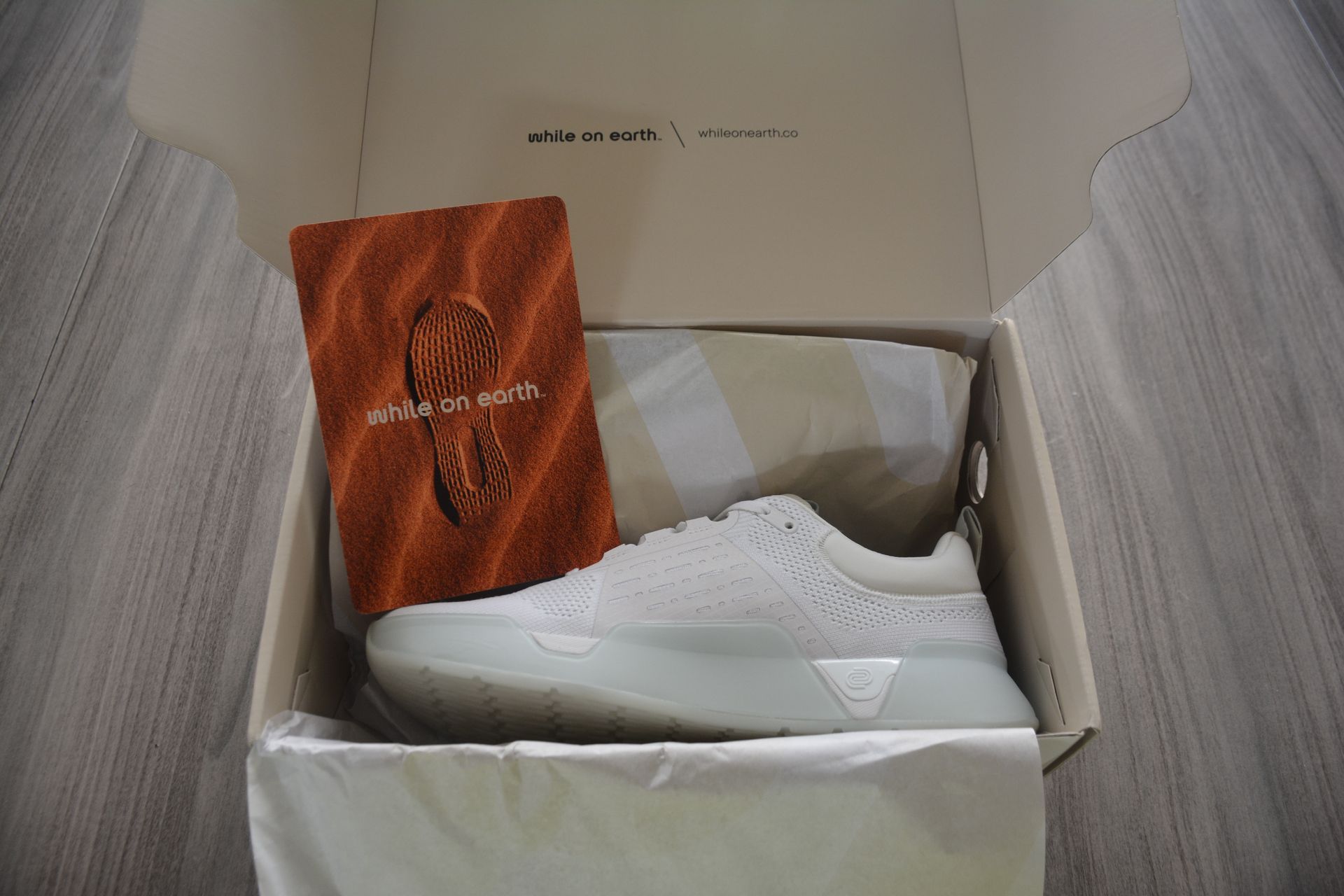
while on earth apparel 3PL

Are you struggling to keep up with order fulfillment for your apparel brand? Or are you just beginning to explore third-party logistics to see if it aligns with your business goals?


Either way, this guide is for you.


Managing order fulfillment in the apparel industry—online or in physical stores—comes with many challenges. Warehousing, packing, shipping, logistics, returns, tracking and customs clearance require significant time and resources.


With limited hours in the day, handling all these aspects yourself can quickly become overwhelming (and that’s probably why you’re here). Hiring additional staff may help, but it also increases operational expenses and can complicate supply chain efficiency.


The Solution: Partnering with a Trusted 3PL


Barrett Distribution specializes in handling logistics and fulfillment operations for top apparel retailers and manufacturers. Outsourcing fulfillment to a trusted 3PL partner like Barrett saves costs and enhances efficiency.


This guide will break down the key benefits of working with a 3PL provider and how to choose the best one for your needs.


Understanding 3PL in Apparel Fulfillment

A 3PL provider manages your inventory’s storage, fulfillment and distribution. This includes warehousing, order picking, packing and shipping. Many 3PLs also handle customer service and returns.


Why should you outsource apparel fulfillment instead of managing it in-house?


  1. Cost Efficiency – You pay only for processed orders instead of maintaining a full-time logistics team.
  2. Improved Fulfillment Processes – Faster, more reliable order fulfillment enhances customer satisfaction.


Let’s explore how 3PLs work and why they are game-changers for apparel businesses like yours.


How Does a 3PL Work?

While 3PL services can support a wide range of industries, here’s how they work specifically for apparel brands:


Step 1: Choosing a 3PL Partner


Selecting the right 3PL is a critical process. The provider you choose will integrate into your operations and support your long-term growth.


Keep in mind that 3PL services differ from freight forwarding or on-demand warehousing. Understanding these differences will help you make a more informed decision.


Step 2: Sending Your Inventory


Once you’ve chosen a 3PL provider, you’ll send them your inventory for warehousing. This ensures order fulfillment begins as soon as a customer makes a purchase.


Step 3: Storing Inventory


Your 3PL partner will store your inventory in strategically located warehouses for easy retrieval and shipping. This optimizes fulfillment speed and reduces delivery times.


Step 4: Order Picking and Packing


When a customer places an order, the fulfillment process begins. The item ordered is retrieved from storage, packed securely and prepared for shipping.


Depending on your provider, this process may be managed manually or with advanced inventory software for greater speed and accuracy.


Step 5: Shipping


After an order is packed, it is shipped to the customer. Some 3PL providers handle shipping directly, while others partner with major carriers.


Confirming your 3PL’s shipping capabilities is important before signing a contract.


Step 6: Handling Returns


Returns are an inevitable part of e-commerce. Many 3PL providers offer reverse logistics solutions to manage returns efficiently and maintain customer satisfaction.


Benefits of Using Barrett Distribution for Apparel Fulfillment

Is investing in a 3PL the right move for your business? The answer is YES. Here’s why:


1. Increased Efficiency


Managing an apparel business requires focusing on design, marketing and customer engagement. Offloading logistics allows you to concentrate on these core areas without being bogged down by operational details.


2. Cost Savings


Maintaining warehouses, shipping fleets and logistics infrastructure can be expensive. Barrett reduces these costs by leveraging existing infrastructure and volume discounts on shipping.


Minimizing shipping errors and optimizing order fulfillment can also help reduce costly mistakes and returns.


3. Scalability


As your business grows, so do your logistics needs. Barrett currently operates 25+ facilities across the United States. With over 6 million square feet of space specifically designed for warehousing, distribution, transportation and omnichannel eCommerce fulfillment, Barrett will scale your brand to ensure success.


 Barrett has over 80+ years of 3PL expertise and the resources to scale operations up or down based on demand, allowing you to expand without significant overhead costs.


When Should You Consider a 3PL?

Not every business needs a 3PL, but if any of the following apply, it may be time to explore outsourcing your logistics:


  • You’re fulfilling 10+ orders per day – Managing fulfillment in-house may become too time-consuming and costly.
  • You’re expanding and scaling operations – A 3PL can simplify shipping and customs management.
  • You need faster shipping options – Two-day shipping has become an industry standard, and Barrett has the infrastructure to meet these expectations efficiently.


Choosing the Right 3PL for Your Apparel Business

Not all 3PLs are created equally. Some offer broad logistics solutions, while others, like Barrett, specialize in apparel and fashion fulfillment. When evaluating providers, consider:


  • Technology Integration – Ensure the 3PL can integrate with your e-commerce platform for real-time inventory tracking and order processing.
  • Warehouse Locations – Choose a provider with fulfillment centers close to your customer base to reduce shipping times and costs.
  • Scalability – The 3PL should be able to accommodate your business growth.
  • Return Management – A provider with strong reverse logistics capabilities will improve your customer experience.


Barrett Distribution: Your Trusted 3PL Partner Since 1941

Are you looking for a trusted 3PL partner for your apparel business? Barrett offers personalized fulfillment solutions designed to help you scale and succeed.


Contact us today to receive a complimentary supply chain consultation.

Recent Blog Posts

By Katherine Wroth January 28, 2026
If you’re evaluating third-party logistics (3PL) partners, the #1 tip is simple: Go on-site. A site visit will tell you more in 15 minutes than any sales presentation ever will — and it can save you months of operational pain down the road. While on-site, here are the top three things you should be doing: 1. Meet the people doing the work Start with the people — not the slides. Meet the operators on the floor Talk to the warehouse managers Ask questions directly to the people picking, packing, and shipping orders You’ll learn quickly whether the team truly understands the operation or is just following a script. A strong 3PL isn’t just systems and software — it’s experienced people who care about execution. Bonus tip: Spend time with the general manager . Their visibility, accountability, and involvement matter more than most brands realize. 2. Pay attention to cleanliness and organization This one is underrated — and incredibly telling. Are aisles clearly marked? Is inventory organized and easy to locate? Are workstations clean and efficient? Pro tip: Check the bathrooms 👀 If shared spaces are clean and well-maintained, chances are the same standards apply to inventory, orders, and overall service. 3. Watch how orders actually move through the building Don’t just ask how fulfillment works — watch it happen . How do orders flow from receiving to storage to pick, pack, and ship? Are there bottlenecks? Is automation helping or slowing things down? Do employees seem confident in the process? This is where reality separates itself from the pitch deck. What looks great on paper can fall apart in motion, and a live walkthrough makes that obvious fast. Why a site visit matters more than any deck A 3PL can show you metrics, technology screenshots, and polished case studies. But only a site visit shows you: Culture Execution Attention to detail How issues are handled in real time That firsthand perspective can prevent misalignment, missed expectations, and painful transitions after go-live. The bottom line If you’re choosing a 3PL partner, don’t skip this step. Go on-site. Meet the people. Watch the operation. It’s the fastest way to validate your decision — and one of the smartest moves you can make before signing a contract. Interested in booking a visit to one of Barrett's facilities? Contact us to schedule your free peak season audit here.
By Katherine Wroth December 16, 2025
Warehouse automation isn’t new, but determining when it actually makes sense is where most companies struggle. Recorded live at WERC 2025 in New Orleans, this conversation brings together leaders directly involved in real-world warehouse automation decisions. Kevin Lawson interviews Chris Lingenfelter , founder of Robot Advisors, and our very own Tim Barrett , CEO of Barrett Distribution Centers. They sit down for a practical discussion on robotics, drones, and the hype surrounding automation. The focus stays on what actually matters: cost per unit, operational fit, employee experience, and ROI. If you’re evaluating warehouse automation or wondering why past investments haven’t delivered, this breakdown offers practical, experience-backed insights. Why Barrett took a robot-agnostic approach One of the most important takeaways from the WERC session: there is no one-size-fits-all robot. Barrett was an early adopter of autonomous mobile robots (AMRs), including systems from Locus Robotics and Six River Systems. But instead of standardizing on one solution, the company evaluates automation based on: SKU count and product size Order profiles and velocity Facility layout Customer growth expectations A footwear operation with serialized inventory has very different needs than an apparel fulfillment center, and Barrett treats them that way. The result: better outcomes for customers and lower long-term operational risk. Inventory drones: the unexpected game changer While AMRs get the spotlight, Barrett’s biggest automation win came from inventory drones. Using drone-based cycle counting, Barrett increased inventory count frequency by more than 7x while significantly reducing labor costs. For high-accuracy environments, especially serialized footwear inventory, this technology proved essential. The impact went beyond numbers: Higher inventory accuracy Faster exception resolution Better employee roles focused on analysis instead of manual counting In short, automation didn’t eliminate jobs. It made them better. How Barrett really thinks about ROI ROI isn’t ignored, but it isn’t the only metric. Barrett evaluates automation using cost per unit shipped rather than chasing flashy payback models. Capital investments are amortized based on contract life and redeployment potential, then layered with labor and operating costs. The guiding question is simple: Which solution produces the lowest sustainable cost per unit? That approach keeps decision-making grounded and aligned with customer outcomes, not tech hype. “To bot or not” starts with a baseline Chris Lingenfelter, founder of Robot Advisors, reinforced a critical point during the session: You can’t evaluate automation if you don’t understand how your warehouse operates today. Many companies struggle to answer basic questions: What does each unit really cost to ship? Where are labor inefficiencies hiding? Which processes are already working well? Before recommending automation, Robot Advisors helps operators establish a true baseline, then compare technologies objectively. Sometimes, the right answer isn’t robotics at all. That honesty matters. Automation as a competitive advantage for 3PLs For Barrett, automation isn’t just an operational tool. It’s a competitive differentiator. When engaging new prospects, the team often presents: Multiple automation paths Clear tradeoffs between solutions A data-backed rationale for each option That depth of analysis resonates with COOs and CFOs evaluating long-term fulfillment partners. It signals preparedness, transparency, and experience, not guesswork. The workforce question: what changes, what doesn’t As robotics adoption increases, warehouse roles are evolving. At Barrett, automation shifted labor away from repetitive tasks and toward: Exception management System oversight Data analysis Engineering and IT support Over time, this required growing centralized IT and engineering teams, a necessary investment to support advanced operations across multiple facilities. The takeaway from WERC 2025 was clear: automation changes work. It doesn’t eliminate the need for people. Thinking about automation, but not sure where to start? Contact us now for a free supply chain consultation.
By Katherine Wroth December 9, 2025
FOR IMMEDIATE RELEASE Franklin, MA — Barrett Distribution Centers , a leading third-party logistics provider recognized for its expertise in eCommerce and omnichannel fulfillment, is proud to announce a new partnership with Maxwood Furniture to support its Western US DTC fulfillment operations. The partnership marks a significant milestone for Maxwood as the company continues to scale its nationwide distribution strategy. Maxwood Furniture is a global manufacturer of precision-engineered wood furniture with more than 20 years in the market. The company offers several distinct brands and product lines that ship from its US-based distribution centers or directly from its 1.3 million-square-foot factory in Vietnam. Maxwood serves retailers, design and procurement firms, hotel groups and turnkey project companies around the world. “We walked away from our visit to Barrett’s Montebello operations genuinely impressed with the visibility their systems provide,” said Heidi Germann , senior manager of operations at Maxwood. “Their integration, reporting and thoughtful approach to network design really stood out. Barrett’s geographic footprint fits where we’re headed and their team’s thoroughness helped us determine the best transition path.” After the initial transition, Barrett will begin planning a Dallas warehouse location to support Maxwood’s continued growth. “We are excited to partner with the Maxwood Furniture brand and team,” said Mark Healy , vice president of customer solutions at Barrett. “Our companies are aligned culturally and operationally, which creates a powerful combination to support Maxwood’s market-leading growth initiatives.” The launch is scheduled for mid December with outbound DTC order processing beginning shortly after. About Maxwood Furniture: Maxwood Furniture is a family-owned and operated import and wholesale business that designs, manufactures, and distributes solid wood furniture products across North America and around the globe. Our products are meticulously engineered in our fully accredited factory to meet or exceed US & EU safety standards. We manufacture using the latest equipment & best materials, including industrial-grade hardware, to create products that are made to last. Our customers range from designers to small independent & large retailers such as Rooms to Go, Jordan’s Furniture, and Bernie & Phyl’s. About Barrett Distribution Centers Since 1941, Barrett has provided customized third-party logistics (3PL), direct-to-consumer (DTC) eCommerce fulfillment, omnichannel distribution, managed transportation solutions and retail compliance for clients across all industries, with a focus on apparel & footwear, health & beauty, consumer packaged goods (CPG) and education. Barrett continues to be a leading 3rd party logistics provider in North America, known for superior execution, customer engagement and direct access to senior leadership decision makers. As a member of Inc's fastest growing companies list 15+ times, Barrett is big enough to do the job and still small enough to deeply care about your business. Brands interested in a new 3PL partnership may contact Barrett directly here . Official Release Here
More Posts