Choosing a 3PL Partner: What Matters Most to Brands Today

Megan Krauss • April 20, 2026

What Matters Most When Choosing a 3PL Partner?
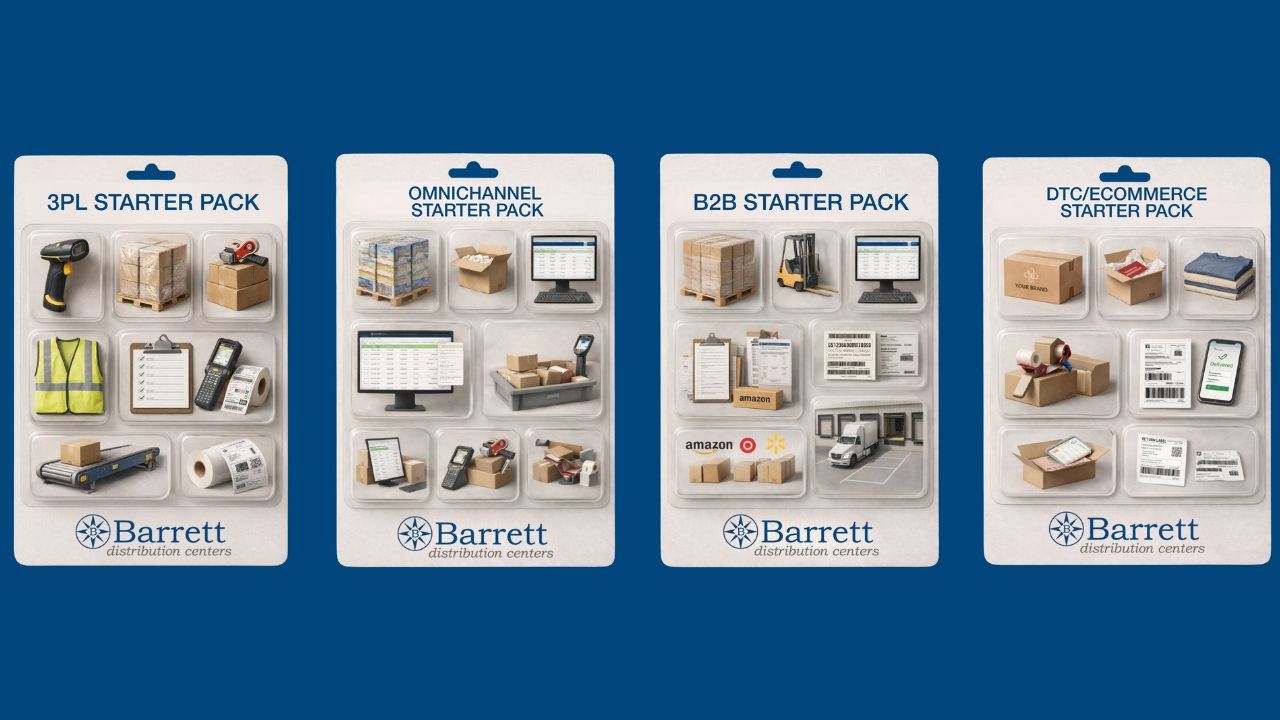
Choosing the right third-party logistics (3PL) partner is one of the most important decisions a growing brand can make. The right provider does more than move product. They directly impact customer satisfaction, operational efficiency, and long-term scalability.


We recently asked our network:


What matters most when choosing a 3PL partner?

Here is how the results broke down:

  • Customer Service & Communication: 45%
  • Inventory Accuracy: 23%
  • Speed & Order Cycle Time: 18%
  • Technology & Integrations: 14%


The takeaway is clear. While operational capabilities matter, service and communication stand out as the most important factor. That reflects a broader shift in how brands evaluate their logistics partners.


Customer Service & Communication: The Top Priority

With 45% of respondents selecting it as the most important factor, communication is not just a support function. It is the foundation of a strong partnership.


Even the best operations encounter challenges. What separates great 3PLs is how they respond.


Strong communication ensures:

  • Faster issue resolution
  • Clear alignment on priorities and expectations
  • Proactive identification of risks
  • A more strategic, less transactional relationship


Barrett emphasizes proactive communication and structured account management, including regular business reviews and ongoing collaboration.


Support includes:

  • Dedicated account management teams
  • Facility-level and strategic support
  • Continuous improvement initiatives


Bottom line: Brands want a partner that communicates early, often, and with clarity.


Inventory Accuracy: The Backbone of Operations

Coming in second at 23%, inventory accuracy remains a critical operational priority.


If inventory data is off, the ripple effects are immediate:

  • Stockouts and overselling
  • Incorrect or delayed shipments
  • Increased returns and customer dissatisfaction
  • Lost revenue


Best-in-class 3PLs invest heavily in:

  • Cycle counting and validation processes
  • Lot and expiration tracking for regulated products
  • Real-time inventory visibility


Barrett’s operations are built around strict inventory controls, KPI tracking, and continuous improvement processes to ensure accuracy at scale.


Bottom line: Accuracy builds trust, both operationally and with end customers.


Speed & Order Cycle Time: Still a Critical Expectation

At 18%, speed ranked third, but that does not mean it is less important. It reflects the reality that speed is now expected, not optional.


Fast fulfillment directly impacts:

  • Customer satisfaction and repeat purchases
  • Marketplace performance and retail compliance
  • Brand perception


Speed requires:

  • Efficient order processing
  • Same-day or next-day fulfillment capabilities
  • Optimized workflows and labor planning
  • Strategic facility locations


At Barrett, speed is supported by real-time tasking and engineered workflows designed to meet strict service level agreements.


Bottom line: Speed is the baseline. Consistency is what sets providers apart.


Technology & Integrations: The Quiet Enabler

While technology and integrations ranked lowest at 14%, they play a critical role behind the scenes.


Technology may not always be the first thing brands think about, but it enables everything else.


Key capabilities include:

  • Seamless integrations with ERP systems, EDI, and ecommerce platforms
  • Real-time visibility into inventory and orders
  • Advanced reporting and analytics
  • Automation to reduce errors and improve efficiency


Barrett’s technology stack includes tier 1 warehouse and transportation systems, along with integrated analytics and customer dashboards for real-time visibility.


Bottom line: Technology may be less visible, but it is essential to scaling without disruption.


What the Results Really Mean

The results highlight an important shift in how brands evaluate 3PL partners.


Operational execution is expected. What differentiates providers is the ability to:

  • Communicate proactively
  • Maintain accuracy at scale
  • Deliver consistent speed
  • Provide visibility through technology


In other words, brands are not just choosing a vendor. They are choosing a partner they can rely on.


What This Means for Your 3PL Strategy

If you are evaluating a 3PL partner, these results offer a clear lens into what matters most to today’s brands.


It is not enough to move quickly or operate efficiently in isolation. The strongest partners bring together:

  • Clear, proactive communication
  • Consistent inventory accuracy
  • Reliable, scalable fulfillment speed
  • Technology that provides visibility and control


The fact that customer service and communication ranked highest reinforces a simple truth. Brands are not just outsourcing logistics. They are trusting a partner to represent their business at every stage of the customer experience.


That is why the right 3PL relationship goes beyond execution. It is built on alignment, transparency, and the ability to adapt as your business grows.

Recent Blog Posts

By Faith Artieda June 4, 2026
Behind the Scenes of Ecommerce Fulfillment: From Warehouse Shelf to Doorstep When a customer clicks "Buy Now," they expect a simple outcome: the right product arrives on time and in perfect condition. What they don't see is the complex fulfillment operation working behind the scenes to make that experience possible. For ecommerce brands, every shipment represents more than an order. It's a promise to a customer. Whether it's a rug, a beauty product, a piece of apparel, or a food item, fulfillment has a direct impact on customer satisfaction, reviews, repeat purchases, and brand reputation. At Barrett Distribution Centers, we help brands deliver on that promise every day. Recently, our team captured the journey of a Tumble rug moving through one of our fulfillment operations. While the process may appear seamless from the outside, each order is supported by a combination of technology, inventory management, quality controls, and experienced warehouse professionals working together to ensure accuracy and efficiency. Great Fulfillment Starts Long Before an Order Is Placed The customer experience doesn't begin when someone clicks "Buy." It begins with how inventory is received, organized, tracked, and managed inside the warehouse. Accurate inventory is the foundation of successful fulfillment. If inventory data is unreliable, every downstream process becomes more difficult. That's why Barrett invests heavily in inventory control processes, warehouse management technology, and operational discipline. From receiving and putaway to cycle counting and inventory audits, every step is designed to maintain visibility and accuracy across our customers' inventory. When an order enters the system, our teams know exactly where inventory is located and how to process it efficiently. Technology Creates Visibility—People Create Results Modern fulfillment requires sophisticated technology, but technology alone doesn't create a great customer experience. Warehouse management systems, automation tools, and integrated data platforms help drive efficiency and visibility. They provide real-time information, streamline workflows, and help teams prioritize work throughout the day. However, successful fulfillment still depends on people. The warehouse associates, supervisors, quality teams, customer experience professionals, and operations leaders behind every shipment are what transform data into execution. At Barrett, our focus has always been on combining technology with operational expertise. The result is a fulfillment process designed to scale while maintaining high service levels and accuracy. Quality Control Is Built Into Every Order Customers rarely think about quality control when they receive a package. That's because the best quality processes are often invisible. Before an order leaves the warehouse, multiple checkpoints help ensure products are picked correctly, packaged appropriately, and prepared for shipment according to customer requirements. These controls are especially important for brands that have worked hard to create a premium customer experience. The condition of a product upon arrival can significantly impact how customers perceive a brand. A damaged shipment or incorrect order doesn't just create operational costs—it can erode customer trust. That's why quality isn't treated as a final inspection. It's embedded throughout the fulfillment process. Every Package Represents a Brand Third-party logistics providers don't own the brands they serve, but they play a critical role in protecting those brands. For many consumers, the delivery experience is one of the few physical interactions they have with an ecommerce company. Packaging quality, order accuracy, delivery speed, and shipment visibility all contribute to the overall brand experience. When a Tumble rug arrives at a customer's doorstep, the customer isn't thinking about warehouse operations. They're thinking about the brand they purchased from. Our responsibility is to help ensure that experience reflects positively on the brand every single time. The Goal Isn't Shipping Boxes. It's Creating Confidence. Fulfillment is often viewed as an operational function. In reality, it's a customer experience function. The best fulfillment operations create confidence—for customers waiting for their orders, for brands managing growth, and for teams responsible for delivering consistent results. Every order that moves through a Barrett facility represents a commitment to operational excellence, continuous improvement, and customer satisfaction. The journey from warehouse shelf to doorstep may happen behind the scenes, but its impact is felt with every successful delivery.
By Faith Artieda May 28, 2026
This year marks an important milestone for Barrett Distribution — 20 years of participating in The Great Game of Business® (GGOB) , a program that has helped shape our culture, strengthen employee engagement, and create a stronger sense of teamwork and shared success across the organization. Over the past two decades, GGOB has become much more than a business program at Barrett. It has become part of the way we communicate, collaborate, and grow together as a company. Through open-book management principles, weekly huddles, forecasting, scoreboards, and Mini Games, employees across Barrett locations have had the opportunity to better understand the business and actively contribute to its success. One of the most meaningful impacts of GGOB has been the way it brings people together. In an industry built on precision, service, and operational excellence, collaboration is essential. Barrett’s success depends on teams working together across departments, facilities, and regions — and GGOB has helped strengthen those connections by creating a culture centered around communication, accountability, and involvement. GGOB encourages employees to think beyond their individual roles and understand how their work impacts customers, coworkers, and overall company performance. Whether it’s improving warehouse efficiency, supporting transportation operations, enhancing customer service, or identifying process improvements, employees are empowered to contribute ideas and solutions that help move Barrett forward.  As Tim Barret, Founder of Barrett, states, "...we share all of the financial results with all of the employees, and they have a vested interest since they will receive a payout result." That sense of involvement creates stronger engagement across the organization. Employees are not simply completing daily tasks — they are participating in the success of the business. By understanding company goals and key performance drivers, teams are able to work together with a shared purpose and celebrate accomplishments collectively. Community and collaboration have always been important values at Barrett, and GGOB has helped reinforce those values over the last 20 years. The program creates opportunities for employees to learn from one another, support one another, and recognize the impact each person has on the organization. It encourages transparency and open communication, helping employees feel more connected to leadership, their teams, and the company’s long-term vision. As Barrett has continued to grow nationwide, maintaining a strong culture has remained a priority. GGOB has played an important role in helping preserve the family-oriented environment that Barrett is known for, even as the company has expanded operations and welcomed new employees across the country. The program helps create consistency in communication and engagement while keeping employees connected to the bigger picture. To help celebrate this 20-year anniversary, Barrett owner Tim Barrett recently participated in a video discussion reflecting on the company’s GGOB journey and the impact it has had on Barrett over the years. The conversation highlighted how collaboration, employee involvement, and shared accountability continue to contribute to the company’s success today. This milestone is ultimately a celebration of the people who make Barrett successful every day. The dedication, teamwork, creativity, and commitment shown by employees across the organization are what continue to drive Barrett forward. Twenty years later, The Great Game of Business continues to strengthen the culture of collaboration and engagement that makes Barrett special — and the future of the game is stronger than ever.
By Faith Artieda May 26, 2026
How Barrett Is Improving Inventory Accuracy with AI-Powered Warehouse Visibility
More Posts