Fashion Fulfillment: The Logistics of Subscription Based Clothing
Scott Hothem • March 25, 2015
The idea of renting has long been an affordable and convenient option. Traveling? Rent a car. Out of town but want to enjoy a round of golf? Rent a set of clubs. Have a wedding coming up? Rent a tuxedo. Typically these needs only arise during special occasions or for extenuating circumstances. However, more companies are offering rentable options of everyday items, specifically clothing. Subscription-based clothing businesses are answering new e-commerce demands and creating solutions for e-commerce apparel challenges. A recent Inbound Logistics article explains how one such business is accomplishing this.
Recent Blog Posts
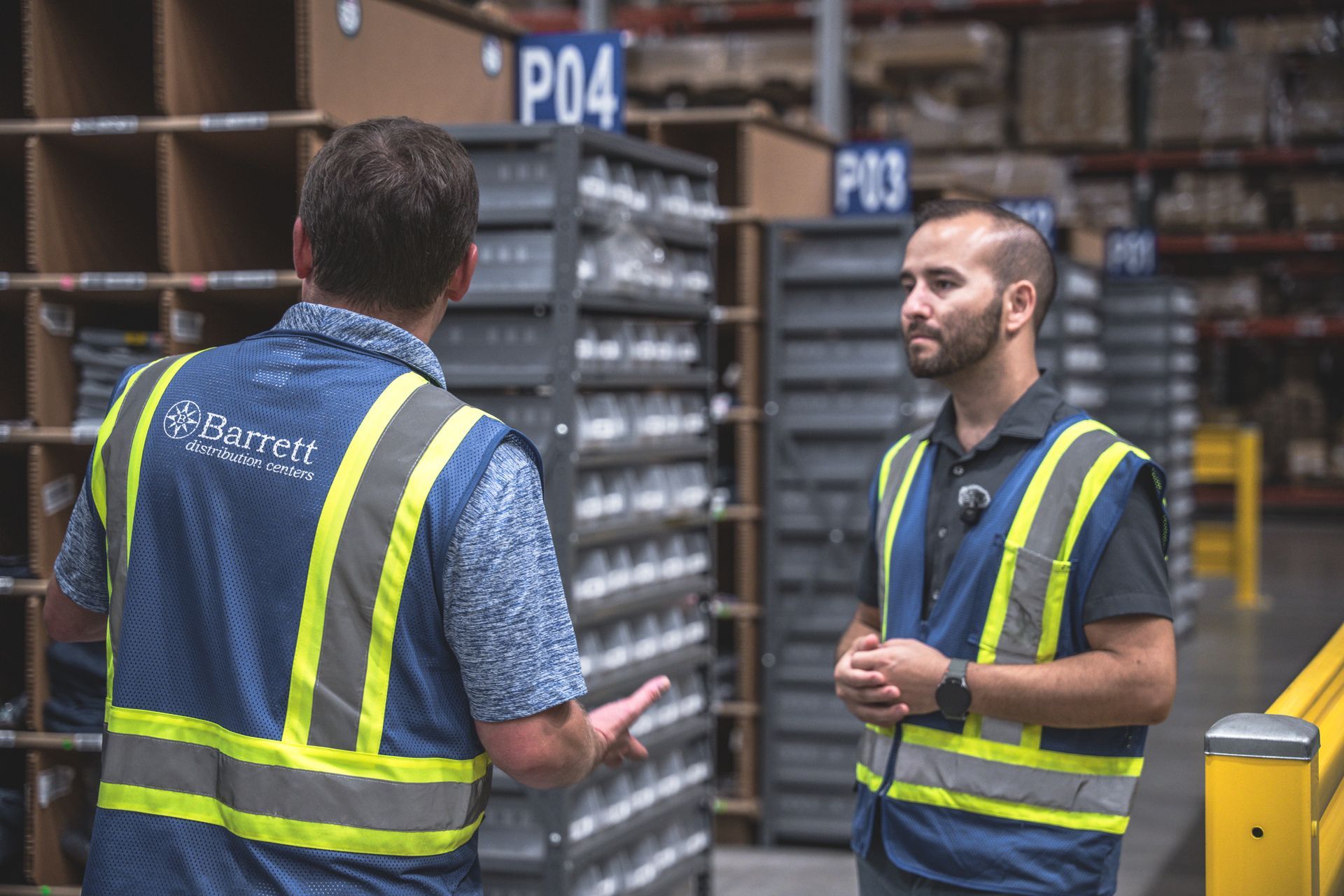
A product can be physically present in a warehouse and still be unavailable when a customer wants to purchase it. That frustrating contradiction often traces back to inventory accuracy. When warehouse records fail to reflect the precise location or quantity of merchandise, even a well-stocked facility can struggle to fulfill orders reliably. Products may be physically present but incorrectly assigned to storage locations, recorded under inaccurate quantities, or overlooked during routine inventory movements. These discrepancies can create unnecessary delays as warehouse associates investigate missing items, reconcile conflicting records, or search for merchandise that should have been readily accessible. For ecommerce and retail brands, inventory control deserves far more attention than it typically receives during the search for a third-party logistics provider. The Hidden Work Behind Every Accurate Order Inventory accuracy depends on thousands of seemingly ordinary activities: receiving merchandise correctly, assigning storage locations, recording movements, and routinely verifying that physical inventory matches system records. Bill Johnson, Vice President of Operations at Barrett Distribution Centers, considers inventory control and cycle counting among the most underestimated aspects of warehouse management. He explains that accurate records help ensure products can be “located, found and sold when needed to be.” Without that discipline, inventory discrepancies can lead to delayed shipments, unnecessary investigations, and missed sales opportunities. Accuracy Is Built Through Consistency Achieving reliable inventory records requires sustained attention, particularly in facilities handling thousands of SKUs and frequent inventory movements. James Rapoza, Barrett's Vice President of Business Process Optimization, describes how the company has strengthened location-level accuracy through disciplined warehouse practices, improved location maintenance, and technologies such as inventory-monitoring drones. According to Rapoza, some Barrett facilities have achieved 99.9% location-level inventory accuracy , reflecting the combined contributions of warehouse associates, inventory control teams, and process improvement specialists. Technology supports those efforts, but consistent execution remains indispensable. Inventory Visibility Protects More Than Products When a customer places an order, they expect the advertised merchandise to be available and ready to ship. They rarely consider the cycle counts, inventory adjustments, or location verification that make that promise possible. For brands selecting a 3PL, understanding how a provider maintains inventory accuracy deserves the same level of scrutiny as its shipping capabilities, warehouse capacity, and technology infrastructure. A fulfillment partner should be able to show how it tracks inventory, how often it conducts cycle counts, and what procedures it uses to identify and resolve discrepancies before they disrupt customer orders. A dependable inventory control program helps preserve the connection between what a brand believes it has available and what its fulfillment operation can actually deliver. Inventory only delivers its full value when you can confidently locate it, sell it, and fulfill the orders your customers are counting on. Looking for a 3PL that takes the time to understand your business? Start a conversation with Barrett Distribution Centers.
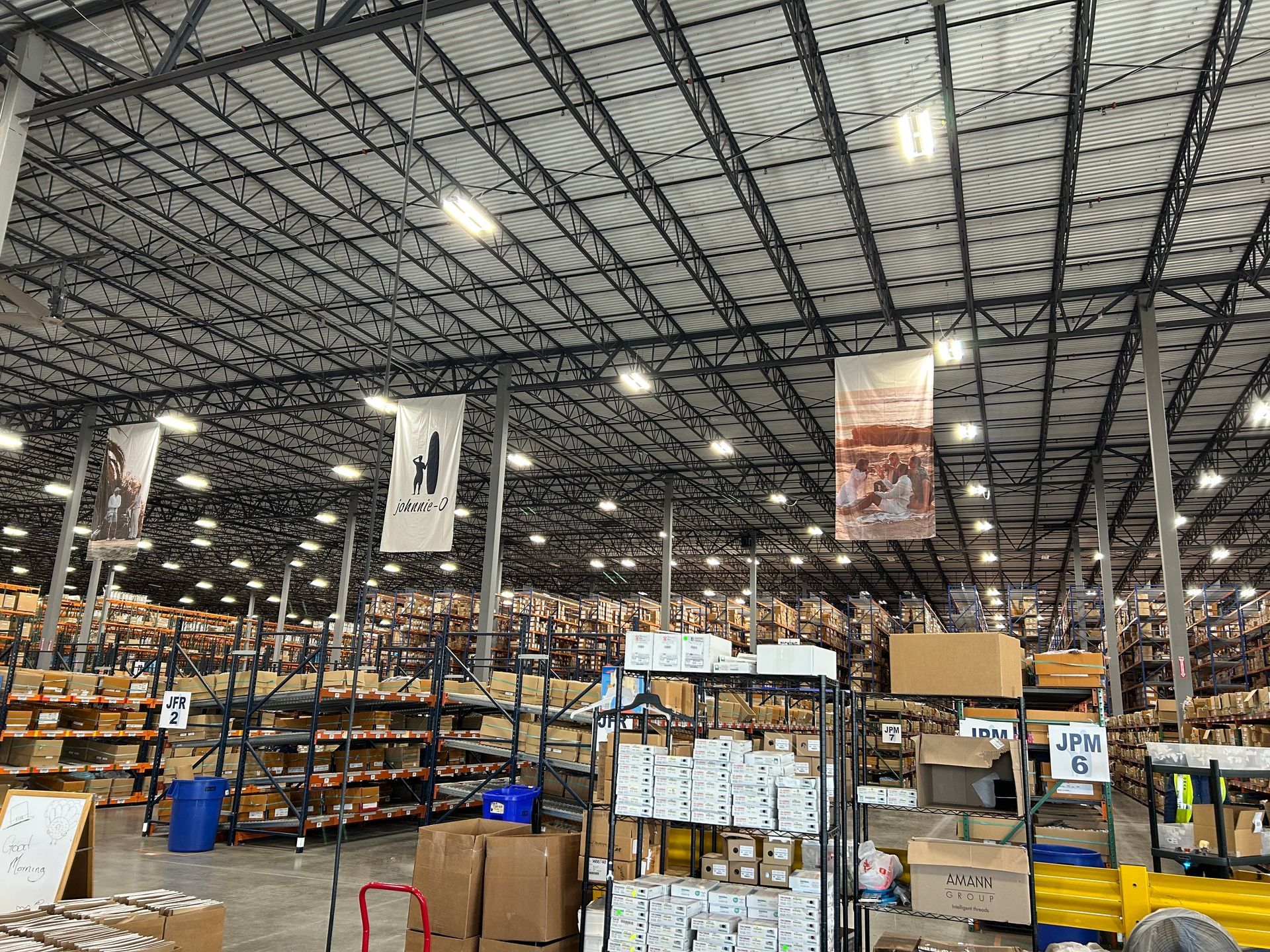
Ecommerce brands should consider outsourcing fulfillment to a third-party logistics provider (3PL) when order volume, inventory complexity, or operational demands begin to exceed their internal capabilities . A 3PL can provide the warehouse space, technology, labor, and transportation expertise needed to support growth without requiring brands to build their own fulfillment infrastructure. For growing businesses, the decision often comes down to whether managing fulfillment internally is still the most efficient use of time and resources. Key Takeaways Increasing order volume can make in-house fulfillment difficult to manage. Inventory inaccuracies and shipping delays may signal operational limitations. A 3PL provides access to established warehouse infrastructure and fulfillment technology. Outsourcing can help brands expand into new sales channels and geographic markets. Barrett Distribution supports B2B and B2C fulfillment through its national warehouse network. What Are the Signs It's Time to Outsource Fulfillment? One of the clearest signs is when fulfillment operations begin interfering with business growth. As order volumes increase, brands may struggle with limited warehouse space, labor availability, inventory organization, and shipping demands. Common warning signs include delayed order processing, frequent inventory discrepancies, difficulty handling seasonal peaks, and increasing operational costs. When these challenges become consistent, working with a 3PL may provide a more scalable solution. How Does a 3PL Help Ecommerce Brands Scale? A 3PL manages fulfillment operations on behalf of a brand, including warehousing, inventory management, picking, packing, and shipping coordination. Instead of investing in additional facilities and building warehouse teams internally, brands can use an established logistics provider's infrastructure and expertise. Barrett offers omnichannel fulfillment, warehouse management technology, transportation services, and value-added capabilities to support businesses with evolving distribution requirements. Can Outsourcing Fulfillment Improve Shipping Efficiency? Outsourcing can help brands improve shipping efficiency through strategic warehouse placement, established processes, and transportation management. Warehouse location is especially important for businesses serving customers across multiple regions. Barrett's distribution network includes facilities in Massachusetts, New Jersey, New York, Maryland, Virginia, Tennessee, Texas, and California, providing options for brands evaluating regional or national fulfillment strategies. The ideal distribution model depends on customer geography, order volume, and inventory requirements. What If an Ecommerce Brand Also Sells to Retailers? Brands expanding from direct-to-consumer ecommerce into wholesale or retail distribution often face additional fulfillment requirements. Retail orders may involve specific labeling, packaging, palletization, shipping documentation, and compliance procedures. Barrett supports both B2C and B2B fulfillment, including retail compliance services such as pre-ticketing, labeling, and advance shipping notice management. This allows brands to coordinate multiple sales channels through a logistics partner with omnichannel experience. What Should Brands Consider Before Switching to a 3PL? Choosing a fulfillment partner involves more than comparing warehouse rates. Brands should evaluate technology compatibility, inventory visibility, service requirements, geographic coverage, transportation capabilities, and onboarding processes. A successful transition also requires accurate product data, clearly defined operating procedures, system testing, and coordination between the brand and its logistics provider. Barrett uses a structured onboarding approach that includes operational discovery, technology planning, testing, go-live preparation, and post-launch support. Frequently Asked Questions At what order volume should an ecommerce brand use a 3PL? There is no universal order-volume threshold. The right time depends on fulfillment complexity, warehouse costs, staffing, shipping requirements, and growth expectations. Is outsourcing fulfillment cheaper than doing it in-house? It can be, but savings depend on order volume, storage needs, transportation expenses, and service requirements. Brands should compare total fulfillment costs rather than storage or pick-and-pack rates alone. Can a 3PL handle both ecommerce and retail orders? Yes. Omnichannel 3PL providers like Barrett support direct-to-consumer fulfillment alongside B2B and retail distribution. How long does it take to transition to a 3PL? Implementation timelines vary based on inventory complexity, integrations, operational requirements, and facility readiness. A structured onboarding process helps establish expectations before launch. Does Barrett Distribution offer ecommerce fulfillment? Yes. Barrett provides ecommerce fulfillment, warehousing, inventory management, transportation services, and omnichannel distribution solutions. Looking for a 3PL that takes the time to understand your business? Start a conversation with Barrett Distribution Centers.
Every order tells a story. Some reveal which products are gaining momentum, others expose seasonal purchasing habits, and a sudden shift in demand may signal an opportunity that a brand has yet to fully recognize. Inside a fulfillment center, those patterns carry enormous significance. They influence staffing decisions, inventory placement, transportation planning, and the ability to deliver on customer expectations. Yet collecting information and putting it to meaningful use are two very different disciplines. At Barrett Distribution Centers, data analytics plays an important role in connecting the daily realities of warehouse operations with the broader ambitions of the brands they serve. Turning Information Into Better Decisions Consider the planning required before a busy sales period. A brand anticipates increased demand, but the warehouse must translate that expectation into practical decisions about labor, inventory, and order processing. Jordan Johnsen of Barrett's data analytics team identifies forecasting as one of the most valuable applications of operational data. “The better labor plan we have, the better we're going to make sure we have the right people in the right place to get that product out the door.” Historical order patterns, anticipated promotions, and seasonal fluctuations help inform those preparations. Barrett also monitors employee productivity to better understand how work progresses throughout the facility. Together, these insights allow teams to approach fulfillment with greater precision, allocating resources according to the demands of the operation rather than relying exclusively on assumptions. The Numbers Can Strengthen the Partnership Data also has a less obvious application: improving communication between a brand and its fulfillment provider. Disagreements about performance, capacity, or costs can become difficult to resolve when each party approaches the conversation with different assumptions. Johnsen believes shared information creates a more productive foundation. “If two smart people get together and we're looking at the same data, we're going to come to somewhat the same conclusions.” His perspective reflects a commitment to transparency, including the willingness to examine information that may reveal shortcomings. A meaningful business review should accomplish more than celebrate favorable metrics. Examining unexpected results, identifying their causes, and agreeing on a course of action can strengthen the relationship between a brand and its 3PL.