Beauty Fulfillment Done Right: Scaling Your Brand with the Right 3PL Partner
How Beauty Brands Avoid Expiration Risk (and Costly Retail Chargebacks)
In the beauty industry, product freshness isn’t just about quality—it’s about protecting revenue.
From skincare with active ingredients to clean beauty products with shorter shelf lives, expiration dates introduce a layer of complexity that many fast-growing brands underestimate. As distribution expands across ecommerce, retail, and marketplaces, so does the risk of shipping product that’s too close to expiration—or worse, already expired.
That’s where problems start.
When Inventory Control Breaks Down
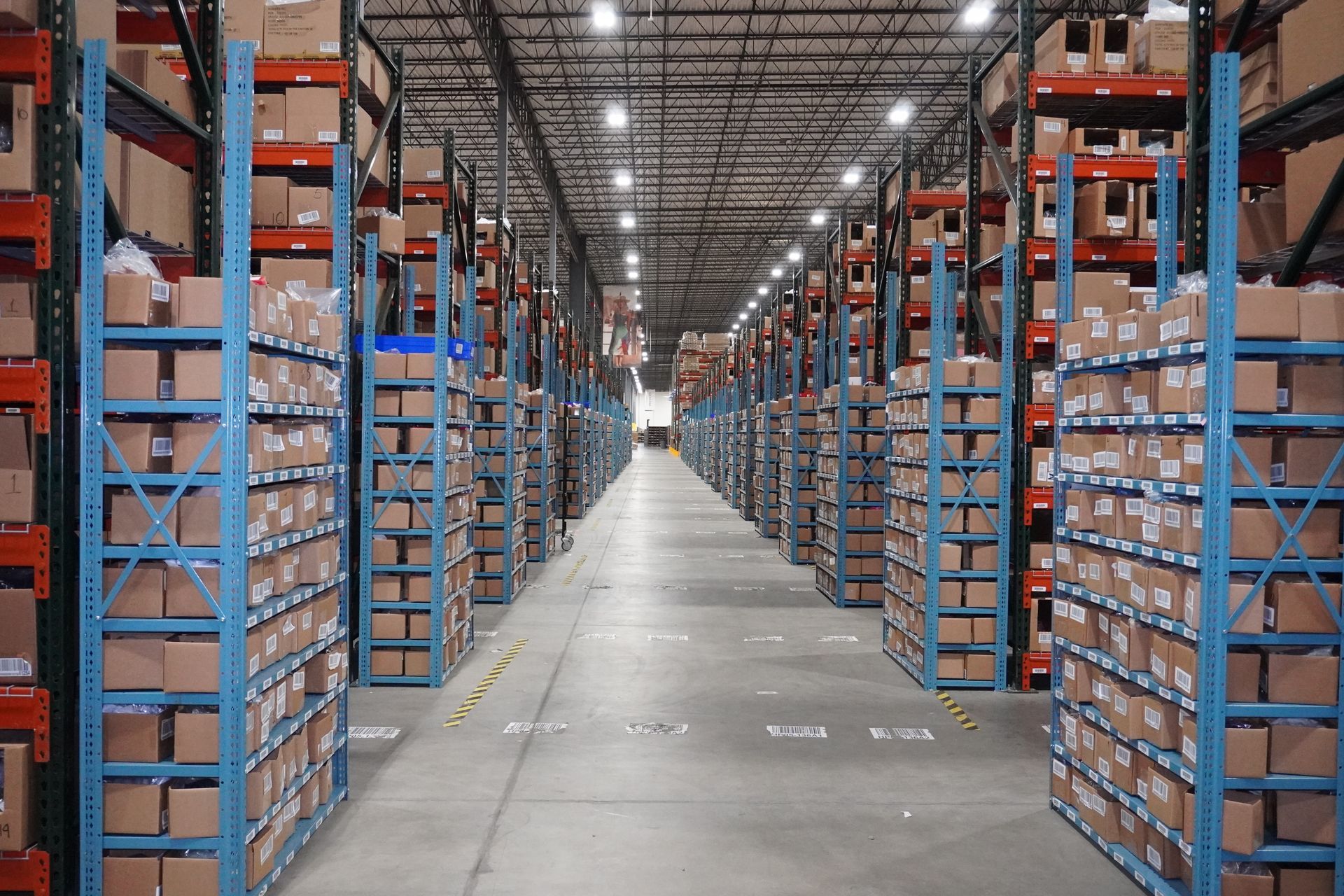
As beauty brands scale, inventory becomes harder to manage. SKUs multiply across shades and formats, products move through multiple channels, and retail partners introduce strict compliance requirements.
Without tight operational control, brands can quickly lose visibility into which lots are where, how old inventory is, and what’s actually being shipped out.
The consequences are immediate and expensive. Customers receive products that don’t meet expectations. Retailers reject shipments. Chargebacks start to pile up. And perhaps most damaging, trust in the brand begins to erode.
Why Retailers Enforce Strict Shelf-Life Standards
Major retail partners don’t leave this to chance. They require a minimum remaining shelf life on every shipment, along with precise labeling and accurate advance shipment data.
If those standards aren’t met, the penalties aren’t small. Chargebacks can hit margins hard, and repeated issues can strain or even jeopardize retail relationships.
For beauty brands, this makes expiration management not just an operational priority—but a strategic one.
The Shift from FIFO to FEFO
One of the most common mistakes brands make is relying solely on FIFO—first in, first out. While that works in some industries, it doesn’t fully solve the problem in beauty.
Products don’t always age uniformly. Different production runs, varying shelf lives, and staggered inbound shipments create inconsistencies that FIFO alone can’t address.
That’s why leading brands—and their 3PL partners—use FEFO: first expired, first out. Instead of prioritizing when inventory arrived, FEFO ensures the product closest to expiration moves first. It’s a subtle shift, but it has a major impact on reducing waste and avoiding compliance issues.
Visibility Is What Makes It Work
Even the best processes fall apart without real-time visibility.
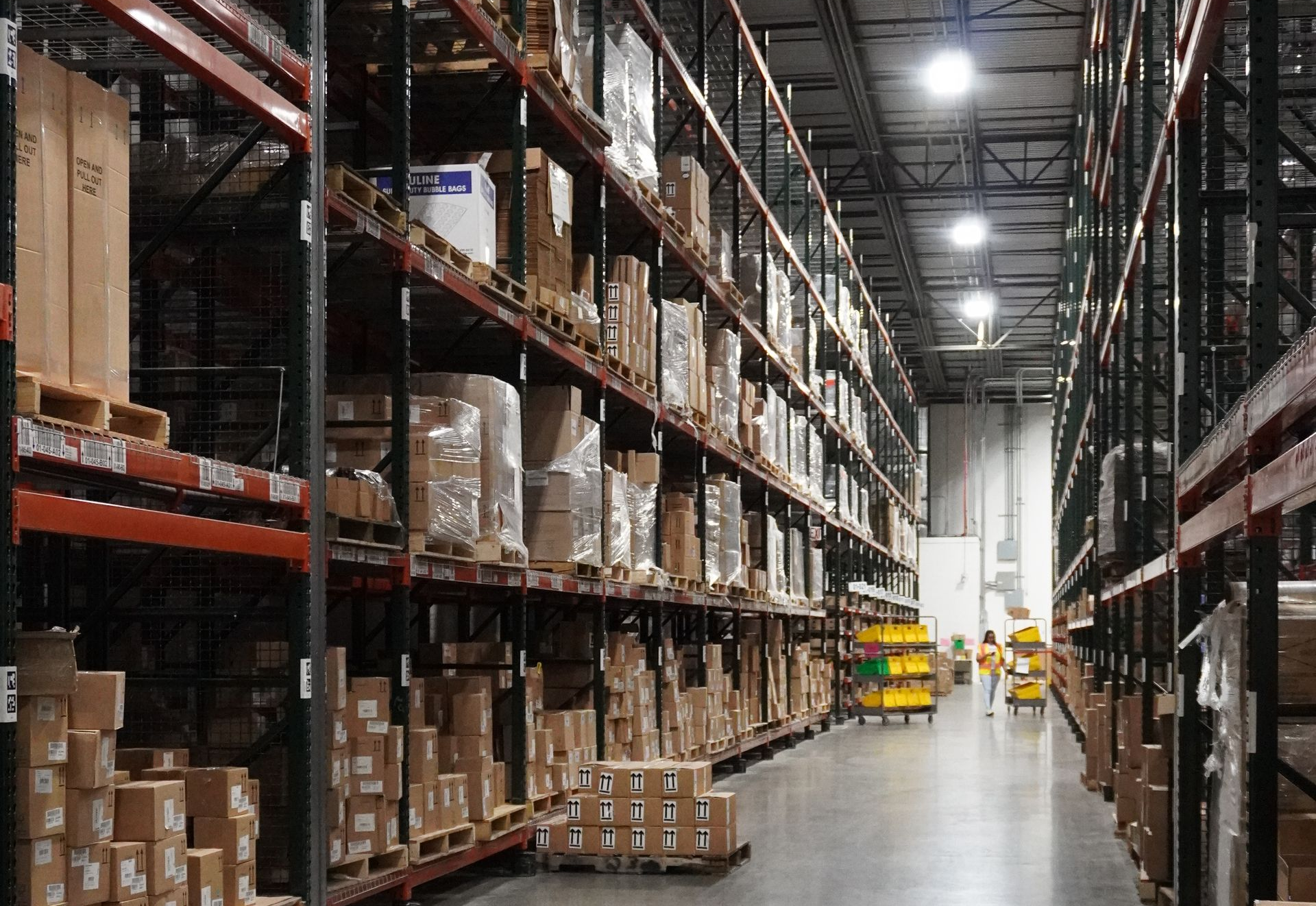
To stay ahead of expiration risk, brands need a clear view of inventory across locations, channels, and age profiles. That includes knowing which SKUs are approaching critical thresholds and being able to act before they become a problem.
Barrett supports this through advanced warehouse systems and customer-facing dashboards that provide real-time insight into inventory, order activity, and performance metrics—giving brands the control they need to make smarter decisions faster .
Where Strategy Meets Execution
Avoiding expiration risk isn’t just about what happens in the warehouse. It requires alignment between planning, fulfillment, and channel strategy.
Shorter-dated inventory often needs to move through faster channels like DTC, while longer shelf-life product is reserved for retail. Promotions, product launches, and replenishment cycles all need to factor in inventory age—not just demand.
This is where many brands struggle internally, and where the right 3PL becomes a true partner rather than just an operator.
The Role of a Beauty-Focused 3PL
At scale, expiration control depends on systems, discipline, and experience.
A 3PL with deep beauty and health & beauty expertise brings structured processes around lot tracking, expiration management, and retail compliance. More importantly, they embed those controls into daily operations—so risk is managed proactively, not after the fact.
Barrett’s approach combines technology, operational rigor, and continuous improvement to help brands maintain inventory accuracy, meet retail requirements, and deliver a consistent customer experience.
Control Is the Competitive Advantage
In a category where product integrity is everything, small operational gaps can have outsized consequences.
Brands that invest in tighter inventory control, better visibility, and the right fulfillment partner don’t just avoid problems—they create a competitive edge. They reduce waste, protect margins, and build stronger relationships with both customers and retailers.
Because in beauty, getting the product right is only half the battle.
Getting it there—fresh, compliant, and on time—is what drives long-term growth.
Recent Blog Posts