5 Reasons Why You Should Visit Your D2C Fulfillment Partner

Katherine Wroth • April 1, 2025

When was the last time you visited your fulfillment center?


As e-commerce, omnichannel and B2B logistics become increasingly complex, building a strong relationship with your 3PL partner goes beyond Zoom calls and dashboards. Visiting your fulfillment partner in person can reveal more than a report ever could. At Barrett Distibution, we believe that trust, transparency and collaboration start on the warehouse floor.


Here are five reasons why you should plan that visit:


1. See Your Brand in Action


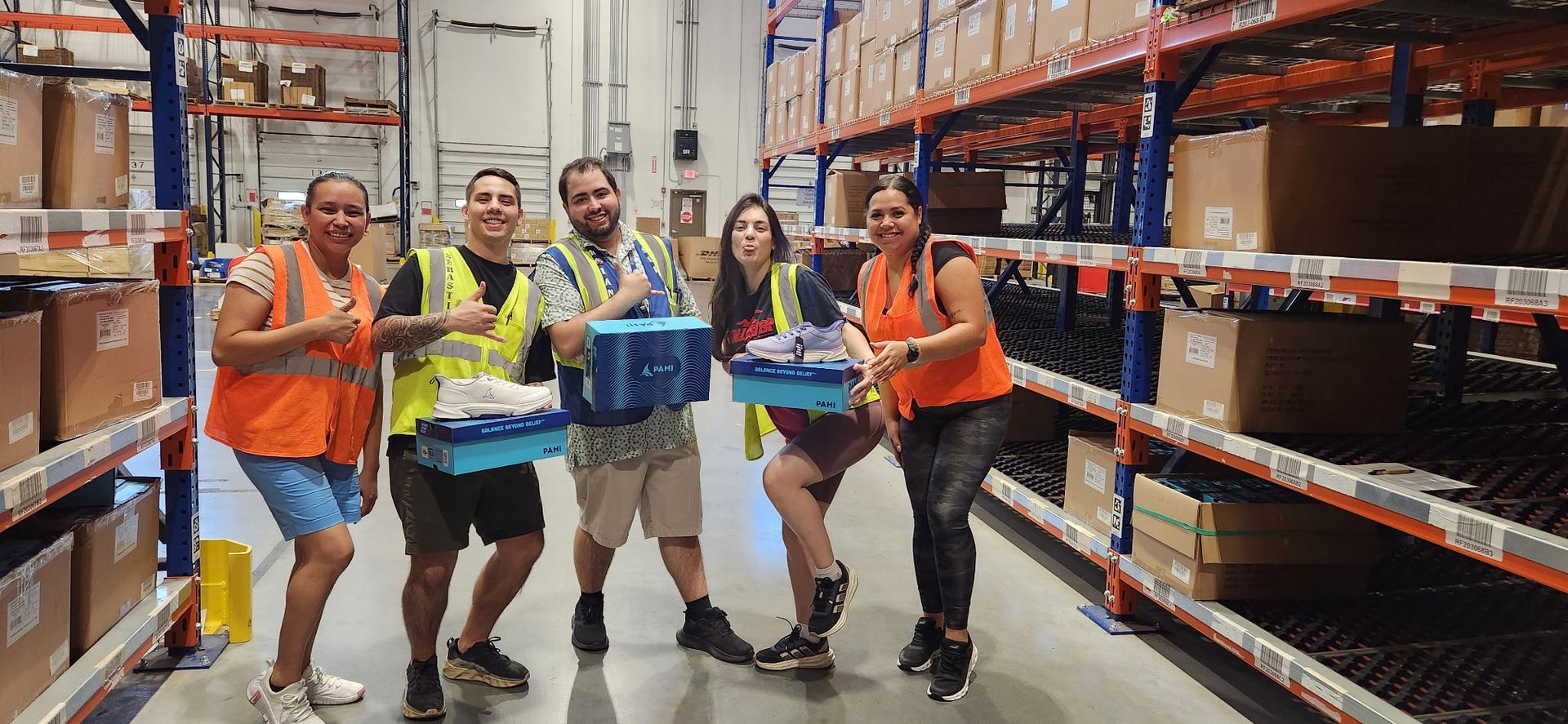
Walking the floor where your orders are picked, packed and shipped gives you an unmatched perspective. You’ll see how your product is handled, how your packaging is displayed and how your brand comes to life with every outbound box. It’s a great way to ensure your fulfillment strategy is aligned with your brand identity.


2. Build Stronger Relationships


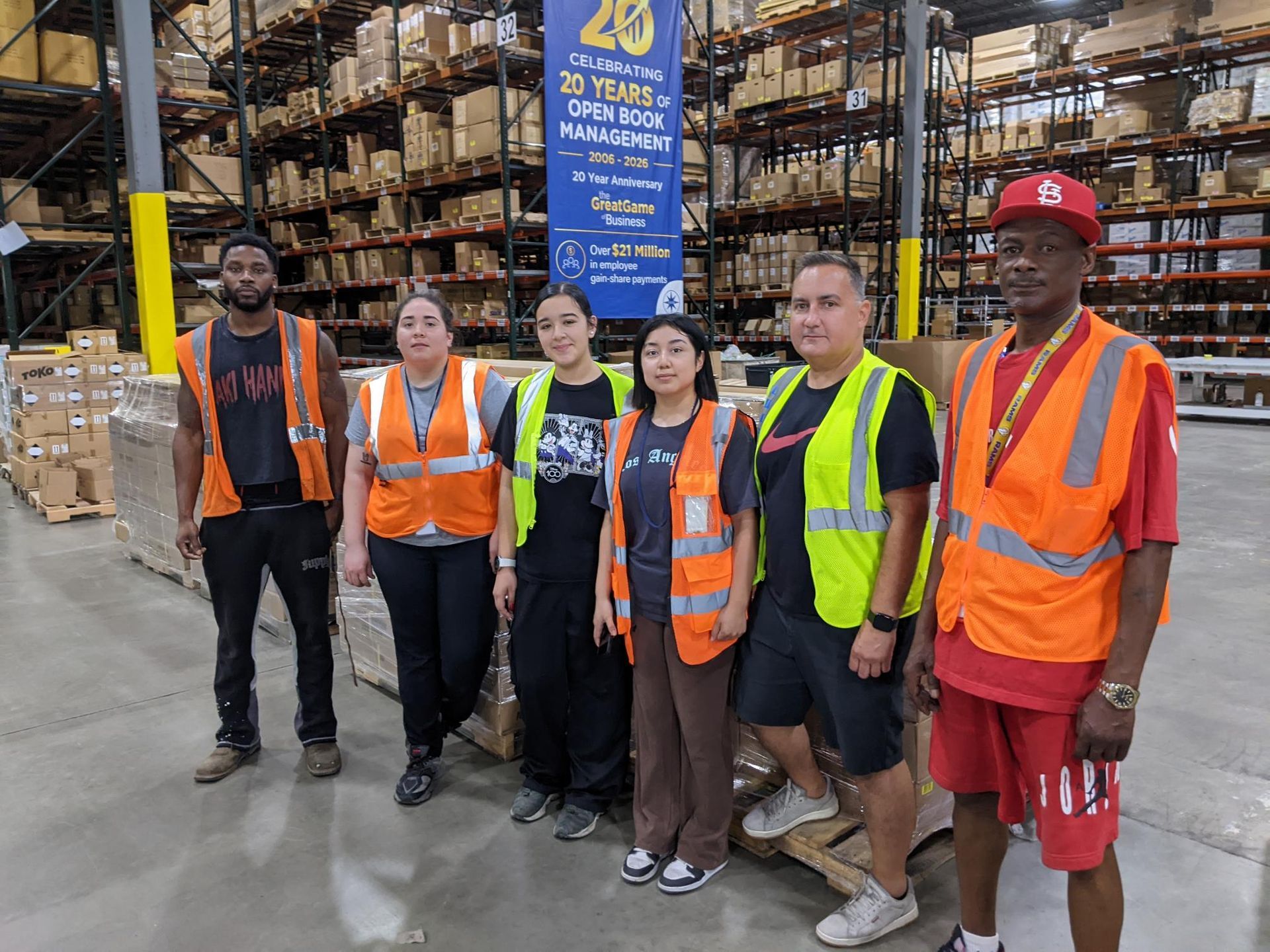
Meeting the team face-to-face builds trust and opens communication. You’re not just another SKU to us — you’re a partner. A visit allows you to connect with the operations team, ask questions and better understand the people powering your logistics daily.


3. Spot Opportunities for Efficiency


Seeing the operation firsthand often reveals opportunities that aren’t visible on paper. Optimizing SKU locations, adjusting kitting processes, rethinking packaging materials and touring the facility with your account team can spark ideas to improve speed, accuracy and cost efficiency.


4. Gain Clarity on Performance Metrics


Numbers are important — but context matters. A warehouse visit helps you better understand the "why" behind your KPIs. Whether digging into order accuracy or exploring dock-to-stock times, seeing processes live gives you the clarity you can’t get from a dashboard alone.


5. Collaborate on the Future


Your business is growing. Your fulfillment partner should grow with you. In-person visits open the door to strategic planning: peak season prep, expansion into new channels or launching new product lines. You can brainstorm in real time and leave with an action plan when you're onsite.


At Barrett, we welcome our clients to visit any time.


Our goal is to be more than a provider — we aim to be your forever 3PL. Whether it’s your first visit or your fiftieth, there’s always value in walking the floor, asking questions and having conversations that drive results.


Want to schedule a visit to one of our fulfillment centers? Contact us today to make it happen. We’ll have the coffee ready.

Recent Blog Posts
By Katherine Wroth February 19, 2026
FRANKLIN, Mass., Feb. 19, 2026 /PRNewswire/ -- Barrett Distribution Centers , a leading third-party logistics provider specializing in eCommerce and omnichannel fulfillment, announced a new partnership with Mary Square , a women's lifestyle and apparel brand based in Apex, North Carolina. Mary Square is now live at Barrett's Olive Branch, Miss., fulfillment facility, where Barrett supports a network of high-growth eCommerce brands.  "After outgrowing our previous 3PL, we needed a scalable partner who could move quickly during a critical time of year," said Kelly Shiley , founder of Mary Square. "Barrett launched us in less than three weeks, ensuring business continuity across two brands and three channels. Watching our first order ship felt like a true fresh start." Mary Square is known for its colorful, faith-inspired apparel and accessories, including dresses and loungewear. The company blends fashion with purpose, emphasizing uplifting messages, community and charitable giving as part of its brand identity. In addition to women's apparel under the Mary Square brand, the company offers jewelry through its Michelle McDowell brand. "We are very excited to partner with Kelly Shiley and the Mary Square team!" said Dan Klenkar , vice president of customer solutions at Barrett. "Launching across two brands and three channels in 13 business days required strong collaboration, communication, and operational goals, and we're proud to support their continued growth." Mary Square's transition to Barrett reflects the growing need for scalable third-party logistics solutions among high-growth, purpose-driven consumer brands seeking operational excellence across multiple sales channels. About Mary Square Mary Square is a women-owned lifestyle brand founded by Kelly Shiley. The company creates apparel, accessories and gifts designed to inspire confidence and spread love. What began as a creative outlet and personal recovery journey following postpartum depression has grown into a nationally recognized brand represented in more than 4,000 stores and boutiques. Each product reflects Mary Square's commitment to empowering women and celebrating life's everyday moments. About Barrett Distribution Centers Since 1941, Barrett has provided customized third-party logistics (3PL), direct-to-consumer (DTC) eCommerce fulfillment, omnichannel distribution, managed transportation solutions and retail compliance for clients across all industries, with a focus on apparel & footwear, health & beauty, consumer packaged goods (CPG) and education. Barrett continues to be a leading 3rd party logistics provider in North America, known for superior execution, customer engagement and direct access to senior leadership decision makers. As a member of Inc's fastest growing companies list 15+ times, Barrett is big enough to do the job and still small enough to deeply care about your business. Brands interested in a new 3PL partnership may contact Barrett directly here . Official Release Here
By Katherine Wroth January 28, 2026
If you’re evaluating third-party logistics (3PL) partners, the #1 tip is simple: Go on-site. A site visit will tell you more in 15 minutes than any sales presentation ever will — and it can save you months of operational pain down the road. While on-site, here are the top three things you should be doing: 1. Meet the people doing the work Start with the people — not the slides. Meet the operators on the floor Talk to the warehouse managers Ask questions directly to the people picking, packing, and shipping orders You’ll learn quickly whether the team truly understands the operation or is just following a script. A strong 3PL isn’t just systems and software — it’s experienced people who care about execution. Bonus tip: Spend time with the general manager . Their visibility, accountability, and involvement matter more than most brands realize. 2. Pay attention to cleanliness and organization This one is underrated — and incredibly telling. Are aisles clearly marked? Is inventory organized and easy to locate? Are workstations clean and efficient? Pro tip: Check the bathrooms 👀 If shared spaces are clean and well-maintained, chances are the same standards apply to inventory, orders, and overall service. 3. Watch how orders actually move through the building Don’t just ask how fulfillment works — watch it happen . How do orders flow from receiving to storage to pick, pack, and ship? Are there bottlenecks? Is automation helping or slowing things down? Do employees seem confident in the process? This is where reality separates itself from the pitch deck. What looks great on paper can fall apart in motion, and a live walkthrough makes that obvious fast. Why a site visit matters more than any deck A 3PL can show you metrics, technology screenshots, and polished case studies. But only a site visit shows you: Culture Execution Attention to detail How issues are handled in real time That firsthand perspective can prevent misalignment, missed expectations, and painful transitions after go-live. The bottom line If you’re choosing a 3PL partner, don’t skip this step. Go on-site. Meet the people. Watch the operation. It’s the fastest way to validate your decision — and one of the smartest moves you can make before signing a contract. Interested in booking a visit to one of Barrett's facilities? Contact us to schedule your free peak season audit here.
By Katherine Wroth December 16, 2025
Warehouse automation isn’t new, but determining when it actually makes sense is where most companies struggle. Recorded live at WERC 2025 in New Orleans, this conversation brings together leaders directly involved in real-world warehouse automation decisions. Kevin Lawson interviews Chris Lingenfelter , founder of Robot Advisors, and our very own Tim Barrett , CEO of Barrett Distribution Centers. They sit down for a practical discussion on robotics, drones, and the hype surrounding automation. The focus stays on what actually matters: cost per unit, operational fit, employee experience, and ROI. If you’re evaluating warehouse automation or wondering why past investments haven’t delivered, this breakdown offers practical, experience-backed insights. Why Barrett took a robot-agnostic approach One of the most important takeaways from the WERC session: there is no one-size-fits-all robot. Barrett was an early adopter of autonomous mobile robots (AMRs), including systems from Locus Robotics and Six River Systems. But instead of standardizing on one solution, the company evaluates automation based on: SKU count and product size Order profiles and velocity Facility layout Customer growth expectations A footwear operation with serialized inventory has very different needs than an apparel fulfillment center, and Barrett treats them that way. The result: better outcomes for customers and lower long-term operational risk. Inventory drones: the unexpected game changer While AMRs get the spotlight, Barrett’s biggest automation win came from inventory drones. Using drone-based cycle counting, Barrett increased inventory count frequency by more than 7x while significantly reducing labor costs. For high-accuracy environments, especially serialized footwear inventory, this technology proved essential. The impact went beyond numbers: Higher inventory accuracy Faster exception resolution Better employee roles focused on analysis instead of manual counting In short, automation didn’t eliminate jobs. It made them better. How Barrett really thinks about ROI ROI isn’t ignored, but it isn’t the only metric. Barrett evaluates automation using cost per unit shipped rather than chasing flashy payback models. Capital investments are amortized based on contract life and redeployment potential, then layered with labor and operating costs. The guiding question is simple: Which solution produces the lowest sustainable cost per unit? That approach keeps decision-making grounded and aligned with customer outcomes, not tech hype. “To bot or not” starts with a baseline Chris Lingenfelter, founder of Robot Advisors, reinforced a critical point during the session: You can’t evaluate automation if you don’t understand how your warehouse operates today. Many companies struggle to answer basic questions: What does each unit really cost to ship? Where are labor inefficiencies hiding? Which processes are already working well? Before recommending automation, Robot Advisors helps operators establish a true baseline, then compare technologies objectively. Sometimes, the right answer isn’t robotics at all. That honesty matters. Automation as a competitive advantage for 3PLs For Barrett, automation isn’t just an operational tool. It’s a competitive differentiator. When engaging new prospects, the team often presents: Multiple automation paths Clear tradeoffs between solutions A data-backed rationale for each option That depth of analysis resonates with COOs and CFOs evaluating long-term fulfillment partners. It signals preparedness, transparency, and experience, not guesswork. The workforce question: what changes, what doesn’t As robotics adoption increases, warehouse roles are evolving. At Barrett, automation shifted labor away from repetitive tasks and toward: Exception management System oversight Data analysis Engineering and IT support Over time, this required growing centralized IT and engineering teams, a necessary investment to support advanced operations across multiple facilities. The takeaway from WERC 2025 was clear: automation changes work. It doesn’t eliminate the need for people. Thinking about automation, but not sure where to start? Contact us now for a free supply chain consultation.
More Posts