
Why Warehousing Near the Port of Baltimore Matters
By the time your inventory reaches the Port of Baltimore, it has already completed a considerable journey. But for the brand waiting on those products, arrival at the port is hardly the finish line.
The merchandise still needs to clear the next stage of its journey, reach a warehouse, become available for distribution, and ultimately find its way to a retailer or customer's doorstep. When those steps involve unnecessary distance or too many handoffs, an exciting arrival can quickly become another source of complexity.
For brands importing through Baltimore, the location of the warehouse deserves a closer look.
Keep the Next Step Close
When your inventory finally reaches the Port of Baltimore, you want the next step to feel like progress, not another logistical hurdle.
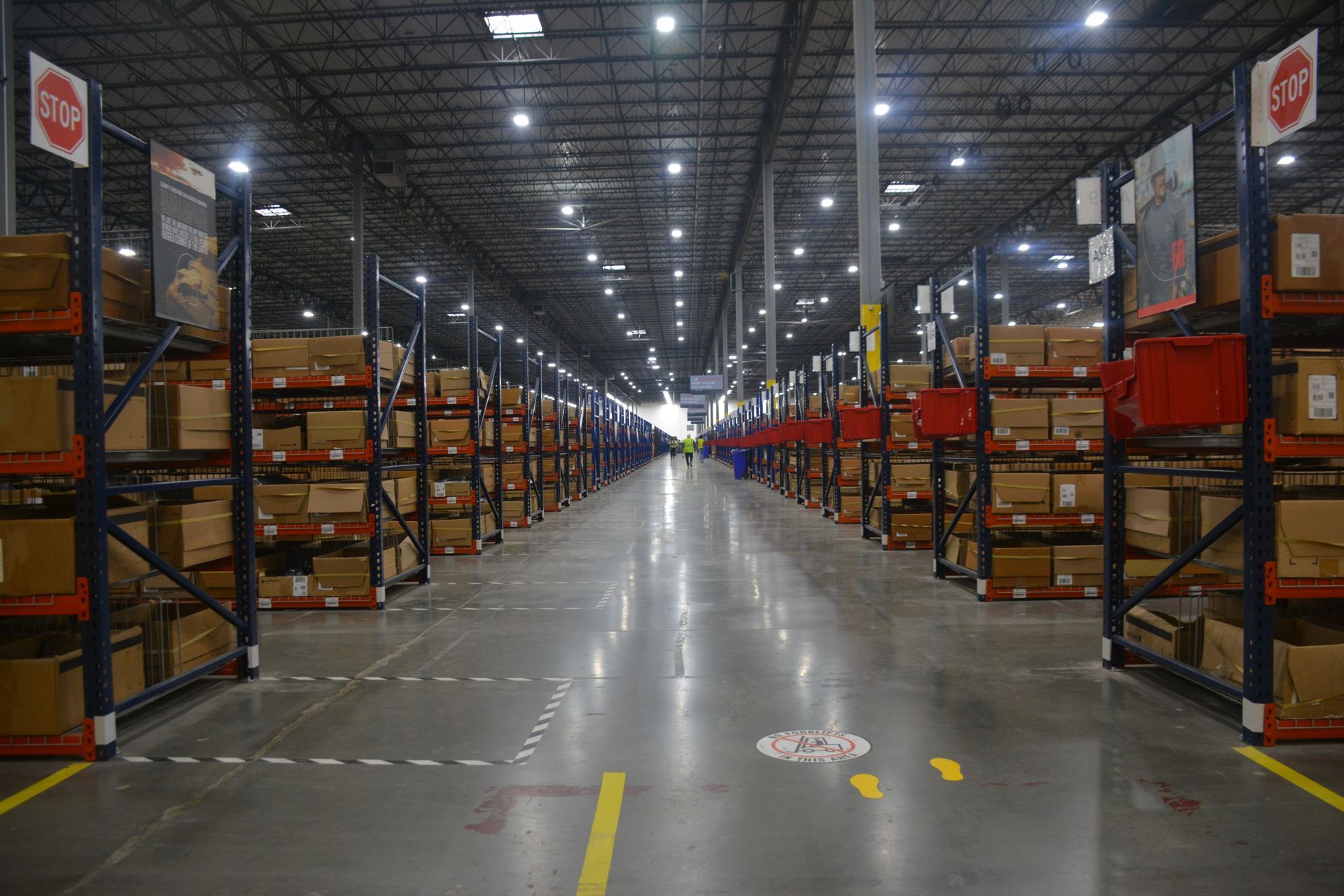
Barrett Distribution Centers' Curtis Bay facility is located within 10 miles of the port, creating a natural transition from international transportation into domestic fulfillment. Rather than viewing Baltimore simply as the place where products enter the country, brands can use it as the starting point for what comes next, whether that means preparing inventory for retail, fulfilling ecommerce demand, or moving products farther into their distribution network.
For Horseware, an Irish equestrian brand working with Barrett for its United States fulfillment, that location carried real significance.
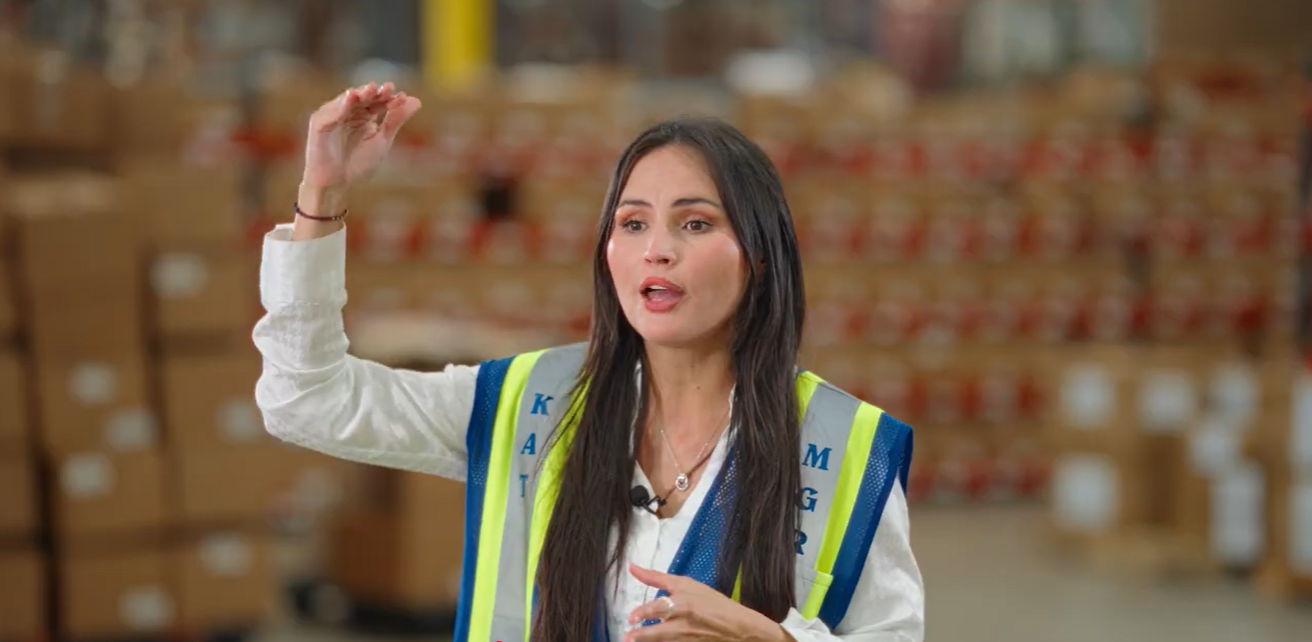
“Barrett’s strategic Mid-Atlantic warehouse location, near the Port of Baltimore, is pivotal for us,”
said Conor Farrelly, Logistics Manager at Horseware.
Horseware's decision was not based on proximity alone. Barrett's experience supporting retail, business to business, and ecommerce fulfillment also mattered because imported inventory rarely has only one destination.
Your Inventory Arrived. Now What?
Picture a container filled with products arriving in Baltimore. Inside, some of that inventory may eventually be purchased by an ecommerce customer. Another portion could be destined for a retailer. Certain products may require labeling, pre ticketing, palletization, cross docking, or other preparation before they are ready to continue moving.
Suddenly, the warehouse is doing much more than providing square footage.
That is where the conversation around port proximity becomes more interesting. Barrett's Baltimore operation can support ecommerce fulfillment, retail distribution, omnichannel operations, and value added services, giving brands the ability to move inventory from international arrival toward the channels where it will actually generate demand.
For a growing brand, that versatility matters. Sales strategies evolve, retailer opportunities emerge, and a business that once relied predominantly on one channel can gradually become far more complex.
The warehouse receiving imported inventory should not become the obstacle standing between today's operation and tomorrow's opportunity.
Look Beyond the Distance on the Map
It is easy to evaluate port warehousing by mileage alone. Certainly, distance matters, but a nearby building is only useful if the operation inside it can support the business waiting on the other side.
A more revealing question is: What can happen to our inventory once it gets there?
Does the location make sense not only for receiving products, but also for moving them toward the markets and customers they ultimately need to reach?
Those questions transform warehouse selection from a real estate decision into a broader fulfillment decision.
For brands importing through the Port of Baltimore, proximity can create a valuable beginning. What ultimately matters, however, is where the operation allows the brand to go from there.
Your products have already traveled a long way to reach Baltimore. The right warehouse should help make the rest of their journey count.
Looking for a 3PL that takes the time to understand your business?
Recent Blog Posts