What Does It Mean When Your 3PL Feels Like an Extension of Your Brand?
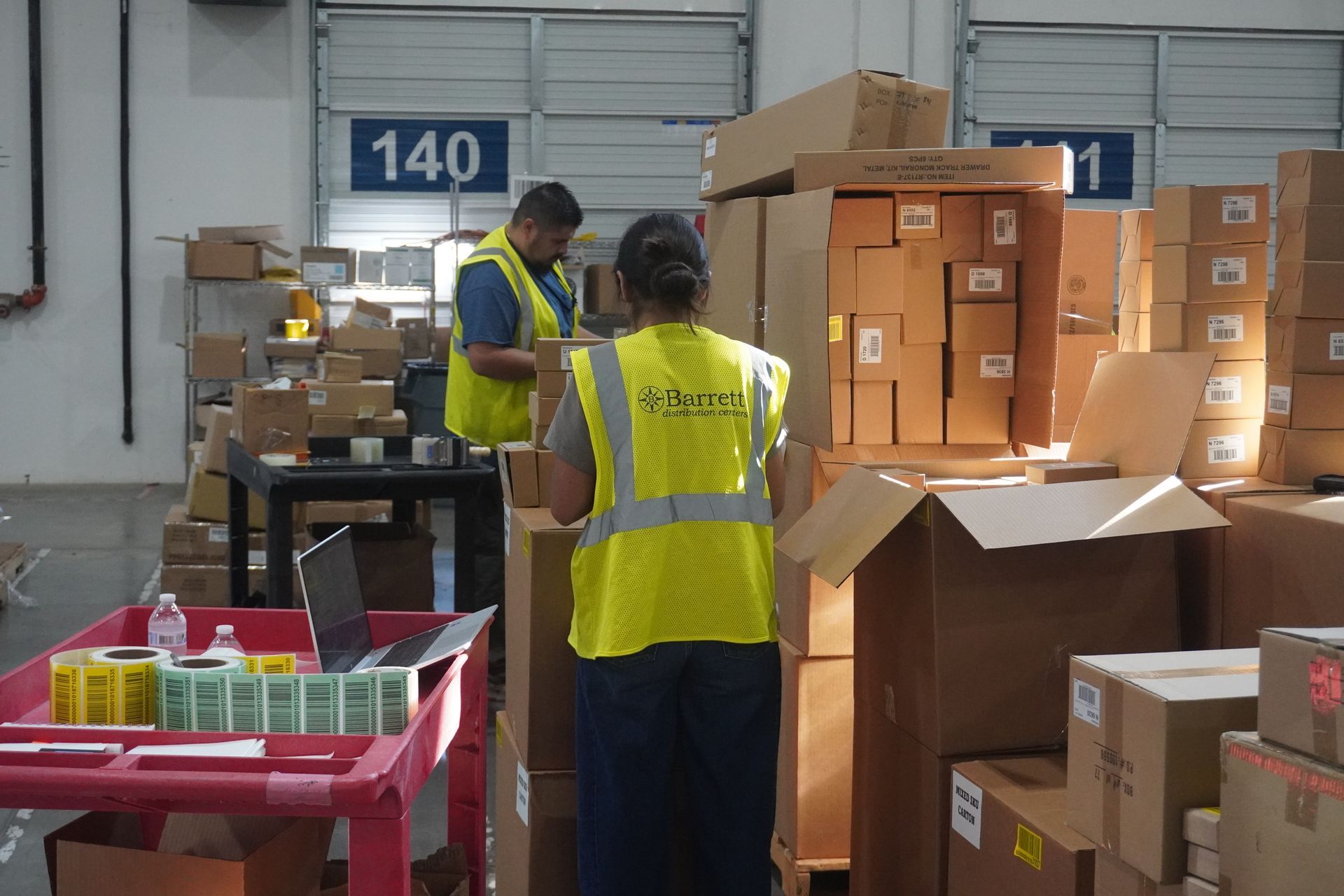
Customers may never know the names of the people receiving inventory, preparing orders, managing fulfillment, or solving problems behind the scenes. They may never see the warehouse at all. Yet every one of those decisions eventually reaches them.
That reality makes the relationship between a brand and its 3PL unusually consequential. Fulfillment may happen outside a company's own walls, but the experience it creates still carries the company's name. Accuracy, presentation, responsiveness, and consistency all become part of how customers perceive the brand itself.
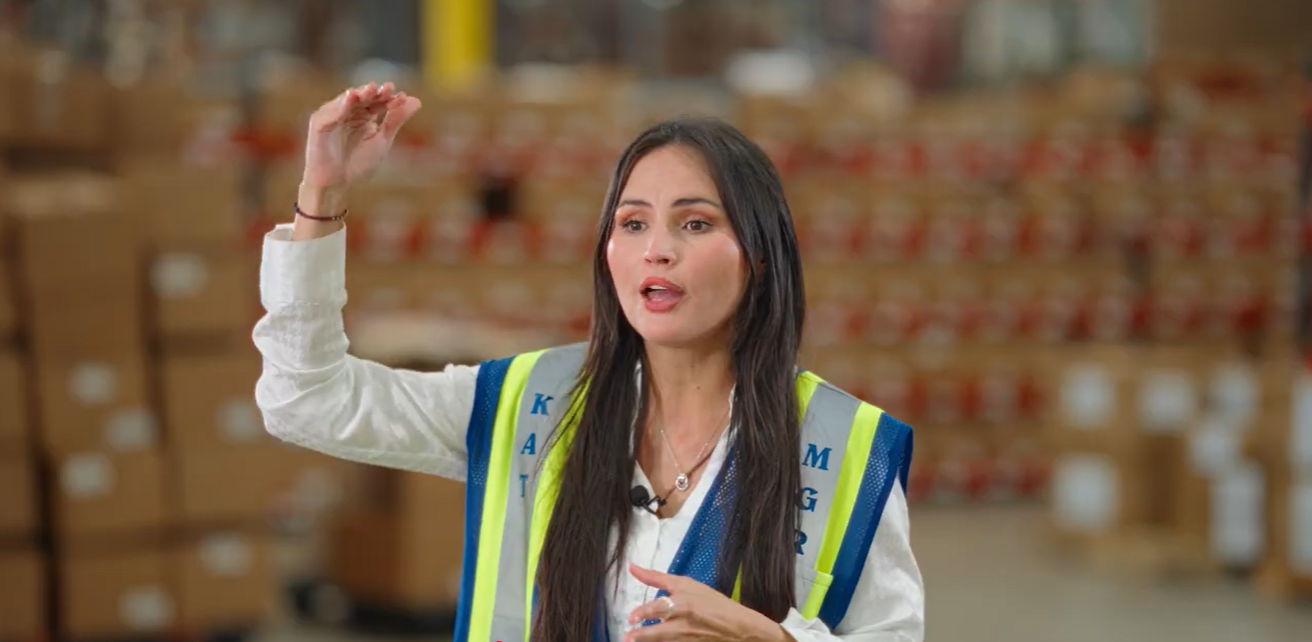
For Katherine Wroth at Barrett Distribution Centers, one piece of customer feedback captures exactly what that relationship should feel like.
“The biggest thing that I hear from clients and brands is they say, ‘I feel like Barrett is an extension of our brand.’ And that's exactly what we want at Barrett.”
An Extension Should Be Able to Evolve With You
Becoming an extension of a brand requires more than understanding how to fulfill today's orders. Businesses change, sometimes dramatically, and the operation supporting them must be capable of navigating that progression.
Katherine points to customers that may begin primarily in direct to consumer fulfillment before expanding into business to business distribution and, eventually, a broader omnichannel model. Each stage introduces different expectations and complexities.
The objective is continuity.
“They can stay with Barrett instead of having to go to multiple 3PLs.”
For a growing company, that continuity can become increasingly valuable. Expansion should open possibilities for a brand, not automatically trigger another search for a fulfillment provider capable of handling the next stage.
Ownership Changes How People Approach the Work
The idea of acting as an extension of a customer's brand also depends on the people making decisions inside the warehouse.
William Johnson describes an ownership mentality that encourages Barrett employees to consider the consequences of those decisions personally.
“Everybody in our building runs this as if they're the owner. So, we're always looking at it from a perspective, if this was my money, how would I spend it?”
That philosophy becomes more tangible through Barrett's participation in the Great Game of Business. William explains that Barrett uses profit sharing and open book financial practices to engage employees as owners and give them greater visibility into the financial success of the business.
The concept is straightforward but meaningful. When people understand how their decisions influence a larger outcome, their work becomes more than a sequence of individual tasks. They gain context for why those decisions matter.
That investment extends to professional growth as well. William describes daily huddles and a workplace where employees regularly progress from hourly positions to leads and from leads to supervisors.
The People Behind the Operation Matter
Culture can sound abstract until you hear from someone who has experienced it firsthand.
In the video, Scott Hothem reflects on his own experience at Barrett with a simple observation:
“I love it here. I love the family feeling here.”
That sense of familiarity carries into how Barrett wants customers to experience the company. Scott describes Barrett as a family owned business with the scale to support growing brands while retaining the personal connection that can disappear inside a much larger organization.
“They know they're not getting a faceless 3PL. They're getting a family-owned business that's large enough to grow their business anywhere.”
That distinction matters because fulfillment is ultimately performed by people. Technology can improve visibility. Systems can connect sales channels. Processes can create consistency. Scale can provide room for growth. Yet people still make decisions, communicate when circumstances change, and determine how problems are addressed.
A 3PL becomes an extension of a brand when those people recognize that the inventory in front of them represents something larger than products sitting inside a warehouse. It represents a company's reputation and, ultimately, the experience promised to its customers.
The warehouse may belong to your 3PL. The experience leaving it still belongs to your brand.
Looking for a 3PL that takes the time to understand your business?
Start a conversation with Barrett Distribution Centers.
Recent Blog Posts