
Top Three Challenges Brands Face with a 3PL and How Barrett Solves Them

Katherine Wroth • July 25, 2024

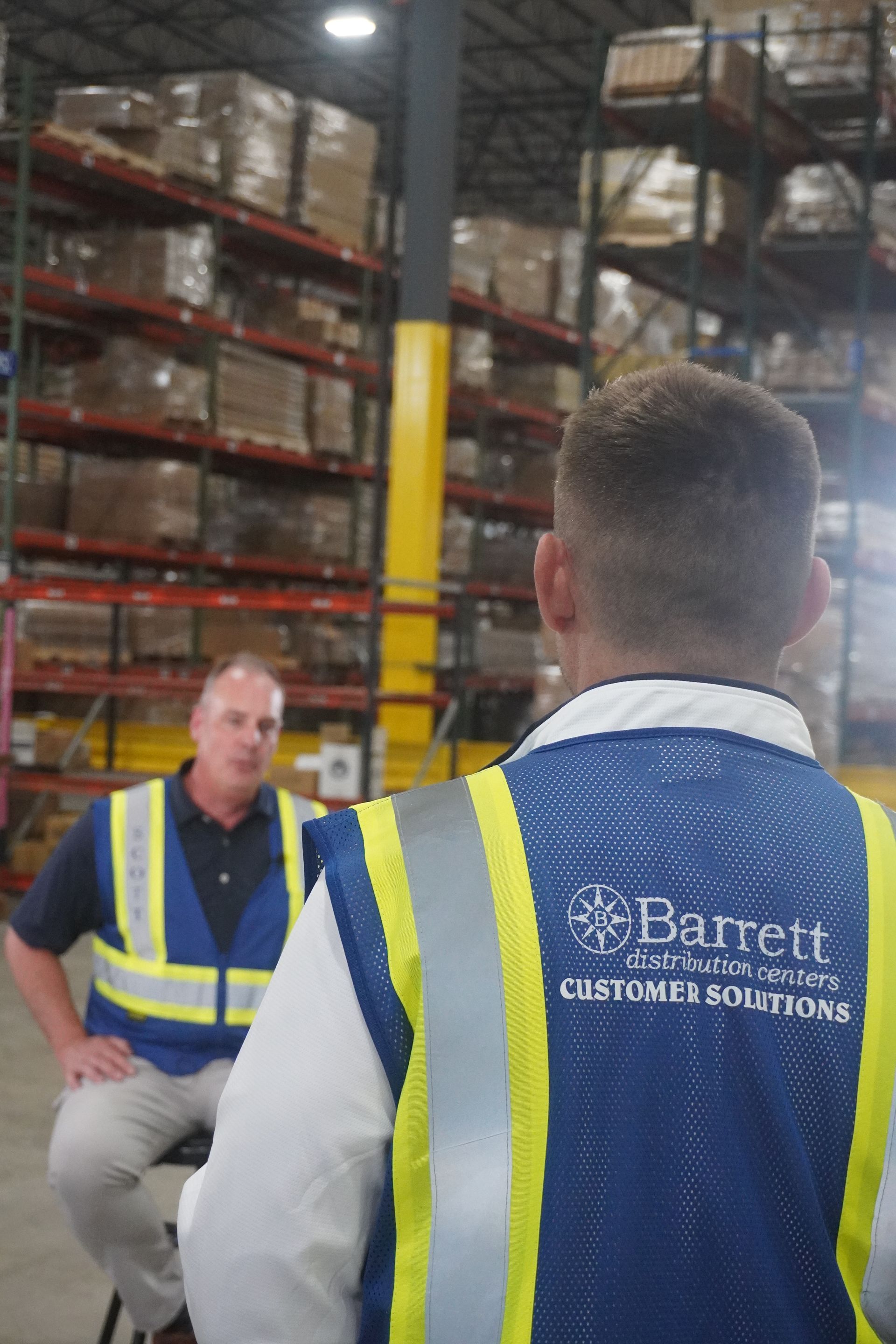
Most companies second-guess outsourcing their fulfillment operations due to uncertainties and fears. Businesses across industries often face common challenges when working with logistics companies before finding the right 3PL partner. In a recent discussion, Bryan Corbett, Senior VP of Customer Solutions at Barrett Distribution, highlighted three common pain points brands typically face when working with a 3PL and how Barrett addresses these issues.


1. Transparency Around Billing and Service


One of the most frequent pain points Bryan mentioned is the lack of transparency around billing and service. Brands often feel left in the dark, unsure of what is happening with their 3PL partner. This lack of clarity can lead to confusion and mistrust. We prioritize clear communication and transparency. We ensure our clients have access to detailed and understandable billing information and real-time updates on their services. This approach builds trust and fosters a strong, collaborative partnership.


2. Service Level Issues


Service level issues, such as on-time fulfillment, inventory accuracy and shipping speed, are critical areas where many 3PLs fall short. Bryan emphasized the importance of basic blocking and tackling – ensuring that the fundamental aspects of logistics are executed flawlessly. We excel in these areas by leveraging state-of-the-art technology and a dedicated team of professionals committed to meeting and exceeding service level expectations. Our clients can rely on us for accurate inventory management, timely shipments and exceptional customer service.


3. Scalability and Omni-Channel Experience


Scalability is another significant challenge for brands, especially those looking to expand their omnichannel presence. Newer companies often struggle to scale their operations effectively, particularly when transitioning from direct-to-consumer to retail channels. Bryan noted that many brands turn to us for our extensive experience and ability to scale operations. With over 24 locations and a seasoned team, we provide the infrastructure and expertise to support brands growing and diversifying their channels. Our comprehensive solutions help brands achieve scalability and maintain high performance across all channels.


Conclusion


Navigating the complexities of logistics can be daunting, but with the right 3PL partner, brands can overcome common pain points and achieve operational excellence. At Barrett, we are committed to providing transparency, exceptional service levels and scalable solutions to help our clients succeed. By addressing these key challenges, we ensure our clients can focus on what they do best – growing their business.


Ready for your level-up 3PL partner? Contact us today to speak with one of our 3PL customer solution experts.

Recent Blog Posts
By Faith Artieda August 21, 2026
Companies choose warehouses near ports to reduce transportation costs, speed up inventory movement, improve supply chain efficiency, and simplify the import process. By storing goods closer to where they enter the country, businesses can move products into inventory faster while supporting efficient distribution to customers and retail partners. Key Takeaways Warehouses near ports help businesses reduce inland transportation costs and accelerate the movement of imported goods. Port-adjacent facilities improve inventory availability, shorten lead times, and support more resilient supply chains. An experienced 3PL can combine a strategic port location with advanced technology and fulfillment expertise to streamline inbound and outbound logistics. Why Do Businesses Store Inventory Near a Port? For companies importing products from overseas, the journey doesn't end when a container reaches a U.S. port. Goods still need to be unloaded, transported to a warehouse, processed, and prepared for distribution. Choosing a warehouse near a port helps minimize the time and cost associated with moving products inland. Instead of transporting containers long distances before inventory becomes available, businesses can quickly receive, inspect, and store products close to the port of entry. This approach improves inventory availability and creates a more responsive supply chain, especially for businesses managing high-volume imports or seasonal demand. How Does a Port Warehouse Reduce Transportation Costs? Transportation costs can increase significantly once imported goods leave the port. A warehouse located nearby reduces the distance containers must travel before inventory is received, helping businesses lower drayage and domestic transportation expenses. It can also reduce handling throughout the supply chain, creating a more efficient flow of goods from arrival to fulfillment. For companies importing products regularly, these savings can have a meaningful impact on overall logistics costs. How Does a Warehouse Near a Port Improve Supply Chain Efficiency? Speed is one of the biggest advantages of warehousing near a port. When imported inventory can be received and processed quickly, businesses gain faster access to sellable products. This helps reduce lead times, replenish inventory sooner, and respond more effectively to changes in customer demand. Port-adjacent warehouses also provide flexibility during peak shipping seasons by allowing businesses to move inventory efficiently through receiving, storage, and fulfillment operations. Which Businesses Benefit Most from Port Warehousing? While nearly any importer can benefit from a warehouse near a port, certain industries often see the greatest value. Businesses that frequently import consumer packaged goods, apparel, footwear, food and beverage products, health and beauty items, consumer electronics, or other high-volume products often rely on strategically located warehouses to improve inventory flow and reduce transportation costs. Companies with omnichannel distribution networks also benefit by positioning imported inventory for both retail replenishment and direct-to-consumer fulfillment. How Can a 3PL Maximize the Benefits of a Port Warehouse? A warehouse location is only one part of an efficient supply chain. The expertise and technology behind the operation are equally important. An experienced third-party logistics (3PL) provider can manage receiving, inventory storage, order fulfillment, transportation, and value-added services from a single facility. This helps businesses reduce operational complexity while maintaining visibility throughout the supply chain. Barrett Distribution operates a food-grade warehouse in Curtis Bay, Maryland, located within 10 miles of the Port of Baltimore. The facility is designed to support high-volume retail distribution, omnichannel logistics, ecommerce fulfillment, and value-added warehousing services. Barrett also provides advanced warehouse technology, transportation management, and real-time inventory visibility to help customers manage imported inventory efficiently. Is a Warehouse Near a Port Right for Your Business? If your business imports products internationally, stores large volumes of inventory, or serves customers across multiple sales channels, warehousing near a port may be a strategic advantage. A port-adjacent warehouse can reduce transportation costs, improve inventory availability, and create a faster, more resilient supply chain. When combined with an experienced logistics partner, it can also simplify inbound operations while supporting efficient fulfillment to retailers, distributors, and consumers. As global supply chains continue to evolve, businesses that strategically position inventory closer to major ports are often better equipped to respond to changing demand and maintain high service levels. Frequently Asked Questions Why do companies choose a warehouse near a port? Companies choose warehouses near ports to reduce transportation costs, accelerate inventory movement, simplify imports, and improve supply chain efficiency. How does a warehouse near a port reduce shipping costs? By minimizing the distance imported goods travel after arriving at a port, businesses can lower inland transportation and handling costs while improving inventory flow. What industries benefit most from port warehousing? Industries including consumer packaged goods (CPG), apparel, food and beverage, health and beauty, consumer electronics, and ecommerce often benefit from warehousing near major ports because they rely on frequent imports and efficient inventory distribution. Does Barrett Distribution offer warehousing near a port? Yes. Barrett Distribution operates a warehouse in Curtis Bay, Maryland, located within 10 miles of the Port of Baltimore. The facility supports omnichannel fulfillment, retail distribution, ecommerce fulfillment, and food-grade warehousing with advanced inventory management capabilities.
By Faith Artieda August 21, 2026
The best warehouse location for fast shipping is one that places inventory close to your customers while providing access to major transportation networks, parcel carriers, and ports. Choosing the right location can reduce shipping costs, shorten delivery times, and improve customer satisfaction. Key Takeaways Warehouse location directly impacts shipping speed and costs. Proximity to customers and transportation hubs leads to faster fulfillment. A strategic 3PL can help determine the best warehouse network for your business. Why Is Warehouse Location Important for Fast Shipping? Warehouse location influences nearly every aspect of your supply chain. The farther a package has to travel, the longer it typically takes to reach the customer and the more expensive it becomes to ship. Positioning inventory closer to your customer base helps reduce transit times while improving overall shipping efficiency. For businesses that serve customers across the United States, selecting a warehouse with access to major highways, parcel carrier hubs, airports, and ports creates additional opportunities to move products quickly and reliably. Where Should a Warehouse Be Located? There isn't a single "best" location for every business. The ideal warehouse depends on where your customers are located, how your products move through the supply chain, and whether you serve ecommerce, retail, or wholesale channels. Companies importing products often benefit from warehouses located near major ports, allowing inventory to move into storage more quickly and reducing inland transportation costs. Businesses with nationwide customers may benefit from multiple fulfillment centers positioned in different regions to shorten shipping distances. Is One Warehouse Enough? For growing companies, one strategically located warehouse is often the most cost-effective solution. It simplifies inventory management while keeping operating costs lower. As order volume increases and customers become more geographically dispersed, multiple warehouse locations can improve delivery speed and reduce shipping expenses by placing inventory closer to end customers. How Does a 3PL Help Optimize Warehouse Location? A third-party logistics provider analyzes customer locations, shipping patterns, transportation costs, and future growth plans to recommend the most effective warehouse strategy. Rather than selecting a location based solely on geography, a 3PL helps businesses build a fulfillment network that balances speed, cost, and scalability. Frequently Asked Questions What is the best warehouse location for fast shipping? The best warehouse location is one that minimizes the distance between your inventory and your customers while providing access to reliable transportation infrastructure and carrier networks. Does warehouse location affect shipping costs? Yes. Shorter shipping distances generally reduce transportation costs while improving delivery speed. Should my warehouse be near a port? If your products are imported, locating inventory near a major port can reduce lead times and lower inbound transportation costs.
By Faith Artieda August 20, 2026
For many businesses, warehouse space is never a concern—until it suddenly is. Whether it's preparing for peak season, managing a surge in customer demand, or receiving an unexpected shipment from a supplier, running out of warehouse capacity can create operational challenges that impact every part of the supply chain. Rather than scrambling to make room or delaying inventory deliveries, many companies turn to overflow warehousing. This flexible storage solution helps businesses manage fluctuations in inventory without the expense of expanding or leasing a permanent facility. Understanding how overflow warehousing works and when to use it can help businesses maintain efficient operations while continuing to meet customer expectations. What Is Overflow Warehousing? Overflow warehousing is the temporary storage of excess inventory at an off-site warehouse when your primary facility reaches capacity. Instead of overcrowding your existing warehouse or slowing down operations, inventory is stored at a secondary location until it's needed. These facilities are often operated by third-party logistics providers, giving businesses access to additional warehouse space without the long-term commitment of building or leasing another distribution center. Overflow warehousing is designed to provide flexibility. Whether you need extra storage for a few weeks or several months, it allows your business to adapt to changing inventory levels without disrupting daily operations. Why Businesses Use Overflow Warehousing Inventory levels don't stay the same throughout the year. Seasonal demand, promotional events, supplier schedules, and business growth can all create temporary spikes that exceed available warehouse space. Retailers often increase inventory well before the holiday shopping season to ensure products are available when demand rises. Manufacturers may receive large production runs that need to be stored before distribution. Importers frequently experience inventory surges when overseas shipments arrive all at once. Without additional storage, these situations can lead to crowded aisles, inefficient picking paths, delayed receiving, and reduced productivity throughout the warehouse. Overflow warehousing provides businesses with the flexibility to absorb these temporary increases while keeping their primary operations organized and efficient. Signs You May Need Overflow Storage Many businesses don't realize they've outgrown their warehouse until operational issues begin affecting customer service. If warehouse aisles are becoming congested, inventory is being stored in temporary locations, or employees are spending more time moving products than fulfilling orders, it may be time to consider overflow warehousing. Other indicators include preparing for peak season, launching new products, increasing safety stock, onboarding new customers, or experiencing rapid business growth. When warehouse utilization consistently approaches capacity, even small increases in inventory can create significant operational bottlenecks. Securing overflow storage before space becomes critical helps avoid unnecessary disruptions. The Benefits of Overflow Warehousing One of the biggest advantages of overflow warehousing is flexibility. Businesses can quickly increase storage capacity without investing in additional buildings, equipment, or permanent labor. Overflow facilities also help improve warehouse efficiency. By relocating slower-moving or reserve inventory to a secondary location, the primary warehouse can focus on faster-moving products and daily order fulfillment. This often results in improved organization, faster picking times, and fewer errors during receiving and shipping. Another important benefit is cost control. Expanding or purchasing warehouse space requires significant capital investment and long-term planning. Overflow warehousing allows businesses to pay only for the storage space they need, making it a more cost-effective solution for temporary inventory increases. Working with a third-party logistics provider can also provide access to experienced warehouse teams, inventory management technology, and transportation services, helping businesses scale operations without adding internal resources. Overflow Warehousing During Peak Season Peak season is one of the most common reasons businesses utilize overflow warehousing. As inventory levels increase in preparation for holiday sales and seasonal demand, warehouse capacity can disappear quickly. Bringing inventory into storage early helps ensure products are available when customers begin placing orders, but it also requires additional space. Overflow warehousing gives businesses the ability to stage inventory ahead of peak season while keeping their primary fulfillment operations running efficiently. Rather than overcrowding picking areas or limiting receiving capacity, inventory can be strategically stored and replenished as demand increases throughout the season. This approach helps improve productivity while reducing the risk of shipping delays during the busiest months of the year. Choosing the Right Overflow Warehousing Partner Not all overflow storage solutions are the same. Businesses should look for a logistics partner that offers more than just available warehouse space. Inventory visibility is critical. A reliable warehouse management system should allow businesses to track inventory accurately across multiple locations and provide real-time updates when products are received, stored, or shipped. Location also matters. Choosing an overflow warehouse near manufacturing facilities, ports, transportation hubs, or your primary distribution center can reduce transportation costs and improve delivery times. Operational experience is equally important. A warehouse partner should have established processes for receiving, storing, managing, and distributing inventory while maintaining high standards for accuracy and service. Many companies choose to work with a 3PL because they can provide integrated warehousing, transportation, and fulfillment services under one provider, creating a more streamlined supply chain. Is Overflow Warehousing Right for Your Business? Overflow warehousing isn't only for large retailers or global manufacturers. Businesses of all sizes can benefit from additional warehouse capacity when inventory levels temporarily exceed available space. If your company experiences seasonal demand, rapid growth, supplier fluctuations, or large inventory purchases, overflow warehousing can provide the flexibility needed to maintain efficient operations without committing to permanent expansion. By planning ahead and securing additional storage before capacity becomes an issue, businesses can reduce operational disruptions, improve warehouse productivity, and continue delivering the reliable service customers expect. Preparing for Growth with Flexible Warehousing Today's supply chains require businesses to be more adaptable than ever. Customer demand can change quickly, inventory needs fluctuate, and warehouse space is a valuable resource that should be used efficiently. Overflow warehousing provides a practical solution for companies that need additional capacity without the cost and complexity of expanding their facilities. Whether you're preparing for peak season, managing unexpected inventory increases, or planning for future growth, having access to flexible warehouse space allows your business to respond with confidence. When integrated into a broader logistics strategy, overflow warehousing becomes more than just extra storage—it becomes a tool for improving efficiency, protecting customer service, and supporting long-term business growth.
More Posts