Is Branded Packaging Worth It for Your E-commerce Brand?

Katherine Wroth • May 13, 2025

What's the biggest touchpoint in eCommerce? It’s when the order finally lands on your customer’s doorstep.


With eCommerce projected to surpass $7.4 trillion globally by 2030 (Statista), the question isn’t just how fast you ship, but how you show up at your customer’s doorstep. For many brands, packaging is no longer just a protective layer. It’s an experience. And in a noisy, competitive digital space, it can be a significant differentiator.


So, should your e-commerce brand invest in branded packaging? Let’s break it down.


What Counts as “Branded Packaging”?


Branded packaging is more than putting a logo on a box. It’s the full packaging experience; your choice of box design, inserts, colors, materials and even the tape you seal it with. Done well, it communicates your brand before a customer even opens the flap.


Think:

  • Custom-printed boxes with your brand colors
  • Inserts with product tips or thank-you notes
  • Packaging designed to be photographed and shared


Its packaging has a purpose and has become an extension of the product for many brands.


The Upside: Why Branded Boxes Work


1. Boosts Brand Visibility


Generic brown boxes don’t spark recognition. But boxes that reflect your identity build brand equity. Studies show branded packaging can increase brand recall by up to 80%.


2. Enhances the Customer Experience


The first physical interaction with your brand is when someone receives your product. A well-thought-out unboxing experience can reinforce trust and create excitement. In fact, 68% of consumers say it makes them more likely to recommend a brand.


3. Generates Organic Buzz


Branded packaging gets shared, especially when it’s visually appealing. Customers are more likely to post about their unboxing, which becomes free marketing and expands your reach.


4. Can Lower Shipping Costs


Custom mailers built around product dimensions can reduce dunnage, lower dimensional weight and reduce parcel costs.


BARRETT PRO TIP: A Barrett client cut freight spending by optimizing box sizes for product kits, improving efficiency and presentation.


The Tradeoffs: What to Watch Out For


1. Higher Upfront Costs


Custom boxes and inserts require upfront investment in materials and design. That said, many brands recover costs through shipping savings or customer retention.


2. Fulfillment Complexity


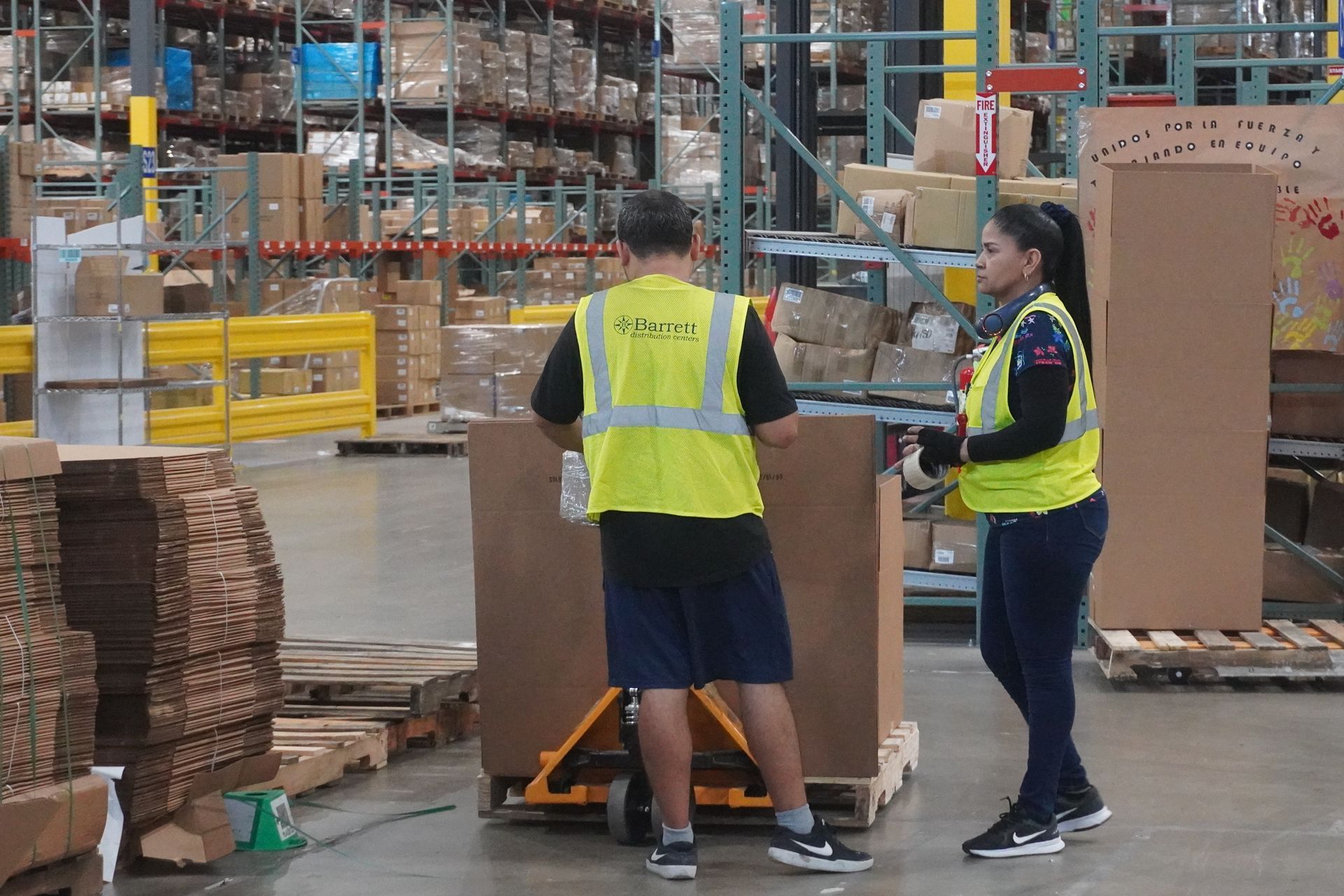
More packaging options mean more room for packing errors. Unless you have a WMS with visual guides, this can lead to longer training times and fulfillment mistakes.


3. Security Risks


Branded boxes can attract attention on doorsteps. With porch piracy losses reaching $12 billion in 2024, clearly labeled packages may become targets. Consider shipment protection to safeguard your customer experience and reputation.


Packaging Options: Which Route Is Right?


Not all brands need fully branded packaging. Here’s a quick breakdown:


  • Plain Packaging: Simple and cost-effective. Works for brands that prioritize speed or a clean look.
  • Fully Branded: Custom prints and full-color designs that create a premium unboxing moment.
  • Partially Branded: Generic exterior with branded inserts or inner packaging. A balanced approach.
  • Dual-Purpose: Packaging that doubles as storage or display. Helpful in cutting waste and adding value.


Final Take: Packaging That Works For You


At Barrett, we support brands at every stage of growth. The best packaging solution reflects your customer promise, fits your budget and runs smoothly through your fulfillment operation.


Are you ready to optimize your packaging and fulfillment?

Contact us for a complimentary supply chain consultation today. 

Recent Blog Posts
By Faith Artieda May 12, 2026
The Growing Challenge of Food Supply Chains The food and beverage supply chain has become increasingly difficult to manage. Brands are navigating rising transportation costs, shifting consumer demand, retail compliance requirements, and ongoing disruptions across ports and carrier networks. For many companies, reducing supply chain risk now starts with warehouse strategy. One of the most effective ways food brands can improve resiliency is by positioning inventory closer to major East Coast ports and consumer markets. Strategic warehousing allows companies to move products through the supply chain faster while improving visibility, reducing delays, and creating greater flexibility across retail and ecommerce channels. Why Port Proximity Matters For import-heavy brands, proximity to East Coast ports can have a major operational impact. Facilities located near ports like Baltimore allow inventory to move from container to distribution more efficiently. This helps brands reduce drayage costs, improve inventory availability, shorten replenishment timelines, and respond faster to changing demand. By reducing the distance between inbound freight and final distribution, brands can create a more agile and responsive supply chain. Faster Access to East Coast Consumers East Coast warehousing also provides access to some of the largest consumer populations in the country. Strategically positioning inventory closer to customers helps brands improve parcel transit times, support retailer distribution requirements, lower transportation spend, and improve the overall customer experience. As delivery expectations continue to rise, warehouse location plays a larger role in both customer satisfaction and operational efficiency. The Importance of Food-Grade Warehousing For food brands specifically, facility standards and inventory controls are critical. Food-grade warehousing requires more than storage capacity. Companies need strong operational processes to maintain product integrity and compliance throughout the supply chain. Key capabilities food brands should prioritize include: Lot tracking and expiration date management Strong inventory accuracy controls Retail compliance expertise Omnichannel fulfillment capabilities Strong inventory controls help reduce spoilage risk, improve traceability, and maintain service levels across all sales channels. Managing Omnichannel Fulfillment Complexity Many food and beverage companies now support a mix of retail distribution, Amazon replenishment, direct-to-consumer fulfillment, and wholesale operations simultaneously. Managing these channels efficiently requires flexible infrastructure and integrated systems that support both B2B and DTC operations. As brands grow, fulfillment partners must be able to scale operations while maintaining accuracy, compliance, and visibility across the supply chain. Technology and Visibility Reduce Risk Technology also plays a significant role in reducing supply chain risk. Real-time visibility gives brands the ability to make faster operational decisions and identify issues before they impact customers. Modern logistics technology should provide: Real-time inventory visibility Order and shipment tracking KPI reporting and analytics With better visibility into inventory and fulfillment performance, brands can operate more proactively and reduce costly disruptions. Building a More Resilient Supply Chain At Barrett Distribution, food and beverage brands benefit from strategically located East Coast warehousing, food-grade operational standards, omnichannel fulfillment expertise, and technology-enabled visibility tools designed to support scalable growth. Barrett’s Curtis Bay, Maryland facility, located near the Port of Baltimore, supports consumer products and food brands with strong inventory controls, retail compliance capabilities, and integrated fulfillment operations.  While supply chain disruptions may continue to evolve, brands that invest in strategic warehousing and operational flexibility will be better positioned to improve service levels, reduce transportation challenges, and build more resilient supply chains for long-term growth.
By Faith Artieda May 11, 2026
How Beauty Brands Avoid Expiration Risk (and Costly Retail Chargebacks)
By Faith Artieda May 7, 2026
On May 4, 2026, our Franklin, MA facility achieved a milestone that reflects that commitment: a perfect score of 1000 on its AIB (American Institute of Baking) food safety audit—the first perfect score in Barrett history. For brands operating in food, beverage, and consumable categories, this achievement represents more than a number. It’s a clear signal of the discipline, consistency, and attention to detail required to protect product integrity across the supply chain. What an AIB Audit Measures—and Why It Matters An AIB audit is one of the most rigorous food safety evaluations in the industry. It assesses a facility’s ability to maintain: Cleanliness and sanitation standards Operational controls and process discipline Regulatory compliance and documentation Facility maintenance and structural integrity For brands, especially those managing consumable or regulated products, these standards are critical. A failure in any of these areas can lead to product risk, compliance issues, or damage to brand reputation. From 990 to 1000: A Culture of Continuous Improvement The Franklin team’s achievement didn’t happen overnight. After earning an outstanding score of 990 in the previous audit, the team set a clear and ambitious goal: reach a perfect 1000. What followed was a disciplined, detail-oriented approach to closing every gap. Through weekly audit preparation calls, consistent follow-up, and a strong focus on execution, the team elevated every aspect of the operation. The result was a facility operating at the highest possible standard—where even the smallest details were addressed. Floors were spotless, the environment was free of dust and debris, and every element of the building met or exceeded expectations. This wasn’t incremental improvement. It was precision execution. Operational Excellence Is a Team Effort Achievements like this reflect the strength of the entire operation—not just one function. From operations leadership and supervisors to safety and maintenance teams, every role contributed to the outcome. Strong documentation, proactive facility upkeep, and disciplined daily execution all played a part in achieving a perfect score. This level of alignment is what enables Barrett to deliver consistent, reliable performance for customers in highly regulated industries. What This Means for Barrett Customers For brands evaluating a 3PL partner, certifications and audit scores aren’t just credentials—they’re indicators of how your product will be handled every day. A perfect AIB score demonstrates: A food-safe, audit-ready environment Strong inventory and process controls A culture built on accountability and continuous improvement Confidence that your products are handled with the highest level of care For customers in food, beverage, health, and beauty, that level of rigor directly translates to reduced risk and stronger operational performance. Setting the Standard Moving Forward This milestone is a proud moment for the Franklin team—but it also reflects something broader across Barrett. Our approach to warehousing and fulfillment is rooted in discipline, visibility, and execution. Whether supporting food-grade operations or complex omnichannel distribution, we focus on delivering consistent results at scale.  Because in today’s supply chain environment, excellence isn’t occasional—it has to be repeatable.
More Posts