How Do I Reduce Fulfillment Errors? (August 2026)

Faith Artieda • August 4, 2026

Reducing fulfillment errors starts with implementing standardized processes, leveraging warehouse technology, training employees consistently, and partnering with an experienced third-party logistics (3PL) provider. By improving inventory accuracy and quality control, businesses can minimize costly mistakes while delivering a better customer experience.


Key Takeaways

  • Standardized warehouse processes and employee training help reduce picking, packing, and shipping errors.
  • Warehouse technology, including a Warehouse Management System (WMS) and barcode scanning, improves inventory accuracy and order visibility.
  • Partnering with an experienced 3PL can help businesses achieve consistent fulfillment performance while scaling operations efficiently.


Why Are Fulfillment Errors So Costly?

Even small fulfillment mistakes can have a significant impact on a business. Shipping the wrong item, sending an incomplete order, or delivering a package late often leads to additional shipping costs, product returns, customer service inquiries, and dissatisfied customers.


As order volumes grow, these issues become more difficult to manage without the right processes in place. Businesses that prioritize fulfillment accuracy not only reduce operational costs but also strengthen customer trust and brand loyalty.


What Causes Fulfillment Errors?

Most fulfillment errors can be traced back to process gaps rather than isolated mistakes. Inaccurate inventory records, manual data entry, inconsistent picking methods, poor warehouse organization, and insufficient employee training all increase the likelihood of errors.


As businesses expand into multiple sales channels—including ecommerce, retail, wholesale, and marketplaces—the complexity of fulfillment grows. Without standardized workflows and real-time inventory visibility, even well-managed operations can experience declining accuracy.


Identifying the root cause of fulfillment errors is the first step toward building a more reliable operation.


How Can Warehouse Technology Improve Fulfillment Accuracy?

Technology plays a critical role in reducing fulfillment errors by replacing manual processes with automated workflows and real-time visibility.


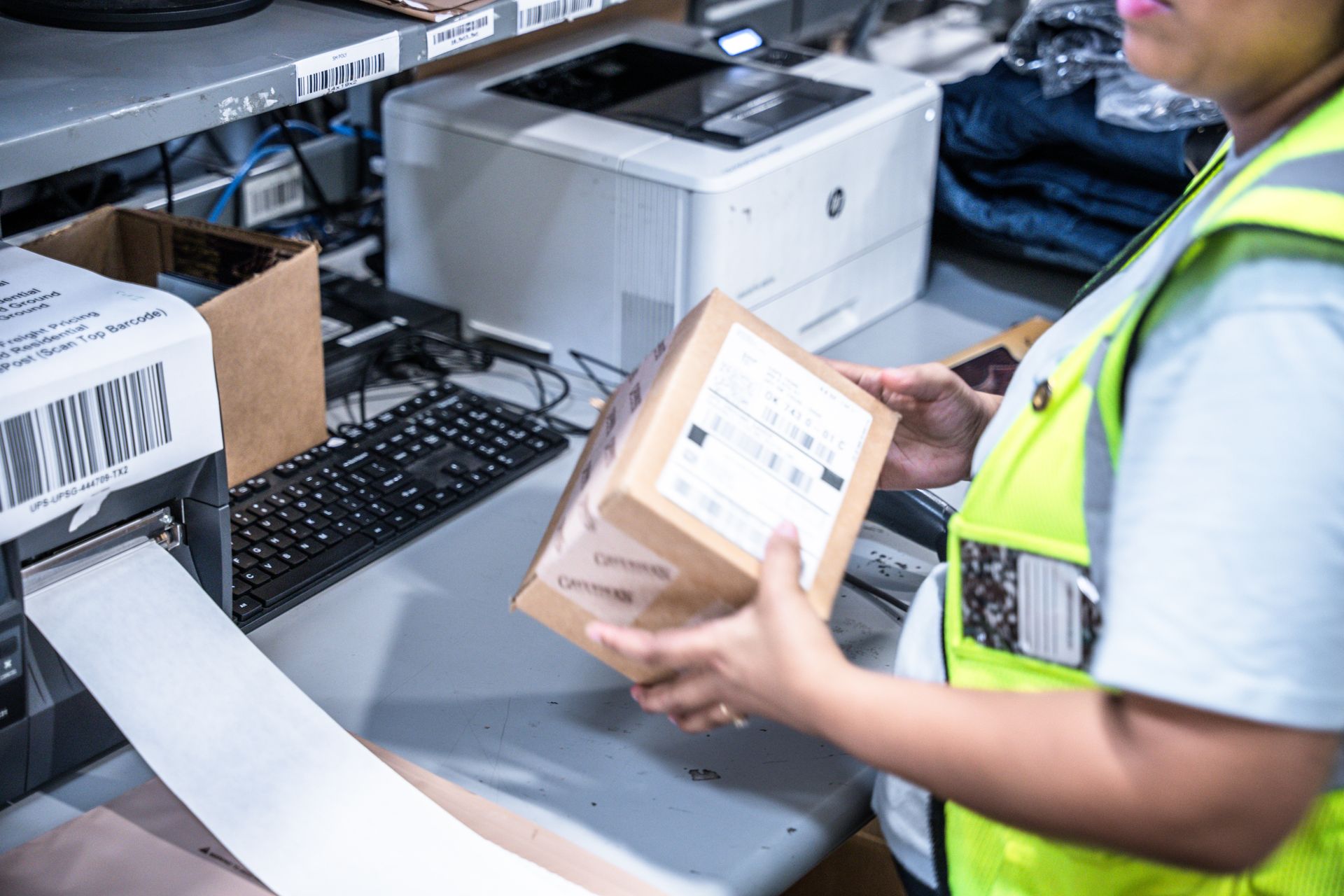
A modern Warehouse Management System (WMS) helps ensure associates pick the correct products, maintain accurate inventory records, and track every stage of the fulfillment process. Barcode scanning further improves accuracy by verifying products before they are packed and shipped.


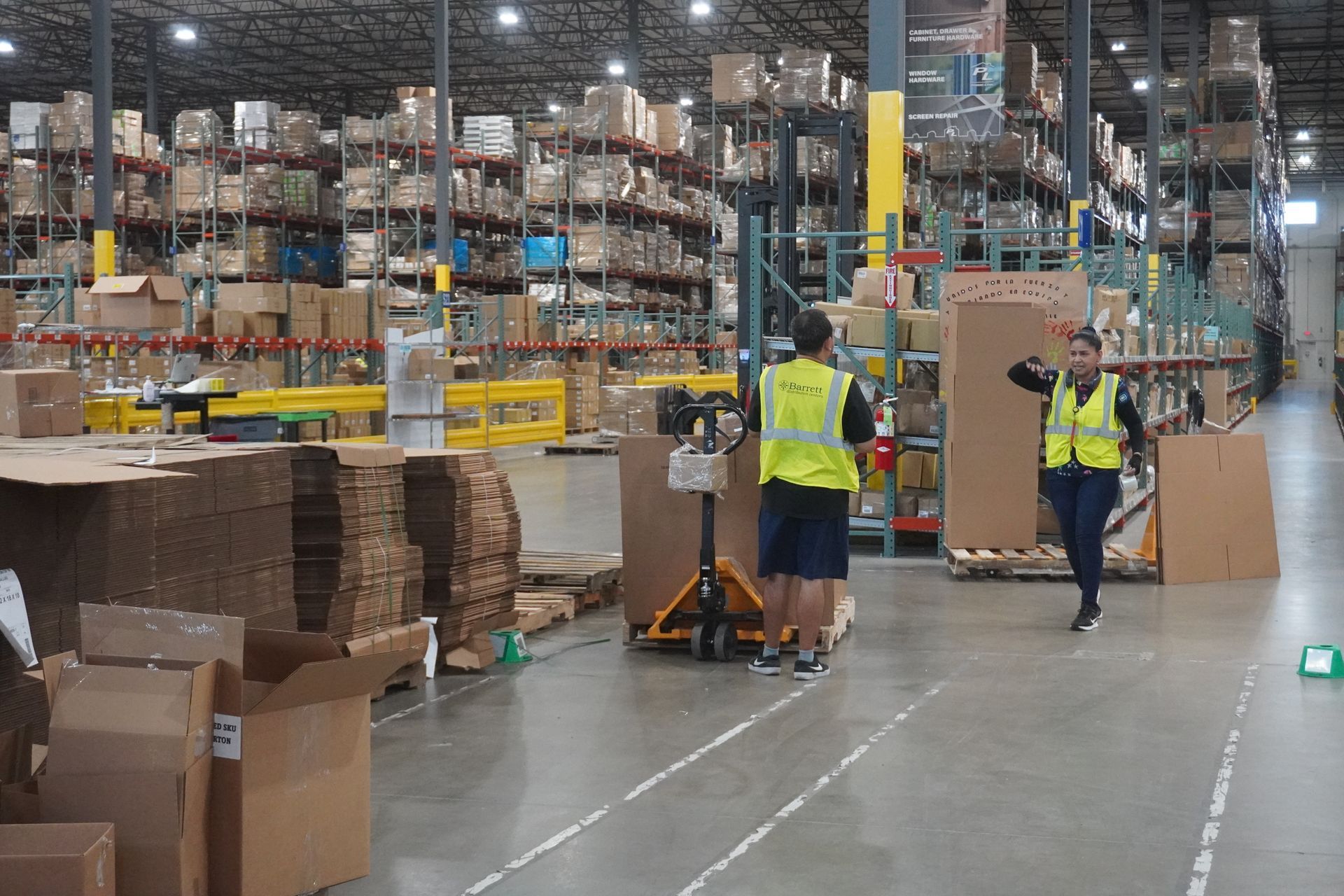
Barrett Distribution utilizes a Tier 1 Warehouse Management System along with transportation management software, customer dashboards, and embedded analytics to provide customers with real-time visibility into inventory, orders, and operational performance.

These tools help businesses make faster decisions while maintaining high levels of inventory accuracy.


Why Are Standardized Warehouse Processes Important?

Technology alone cannot eliminate fulfillment errors. Consistent operational processes are equally important.

Standardized receiving, putaway, picking, packing, quality inspections, and shipping procedures help ensure every order is handled the same way regardless of volume or seasonality. Clear workflows also make employee training more effective and reduce the likelihood of human error.


Experienced fulfillment providers continually evaluate their processes to identify opportunities for improvement, helping maintain consistent service levels as customer demand changes.


How Does Employee Training Reduce Fulfillment Mistakes?

Warehouse associates are essential to fulfillment accuracy.


Comprehensive onboarding, ongoing training, and clear performance expectations help employees understand operational procedures while reinforcing quality standards. Regular coaching and continuous improvement initiatives can further reduce errors by addressing process issues before they become recurring problems.


Creating a culture where accuracy is valued alongside productivity often leads to stronger long-term operational performance.


Why Is Inventory Accuracy Essential?

Accurate inventory is the foundation of successful order fulfillment.


When inventory records don't match what's physically available, businesses risk overselling products, delaying shipments, or shipping incorrect items. Maintaining inventory accuracy through regular cycle counts, real-time inventory updates, and disciplined warehouse processes helps prevent these issues before they affect customers.


Greater inventory visibility also allows businesses to make more informed purchasing, forecasting, and replenishment decisions.


Can a 3PL Help Reduce Fulfillment Errors?

For many businesses, partnering with an experienced third-party logistics provider is one of the most effective ways to improve fulfillment accuracy.


A qualified 3PL combines proven warehouse processes, experienced operations teams, advanced technology, and continuous improvement programs to help reduce errors while supporting business growth.


Barrett Distribution emphasizes operational excellence through standardized processes, quality management, technology investments, and continuous improvement initiatives designed to improve inventory accuracy and fulfillment performance. The company also supports omnichannel fulfillment, allowing businesses to manage both retail and direct-to-consumer orders through customized logistics solutions.


How Can Businesses Continuously Improve Fulfillment Performance?

Reducing fulfillment errors isn't a one-time project—it's an ongoing process.


Leading organizations regularly monitor key performance indicators (KPIs), review error trends, and identify opportunities to improve warehouse operations. By analyzing fulfillment data and refining processes over time, businesses can maintain high accuracy even as order volumes increase.


Working with a logistics partner that prioritizes continuous improvement can help companies adapt to changing customer expectations while maintaining consistent service quality.


Frequently Asked Questions

What is the most common cause of fulfillment errors?

Common causes include inaccurate inventory records, manual processes, inconsistent warehouse procedures, and insufficient employee training.


How does a Warehouse Management System reduce fulfillment errors?

A Warehouse Management System improves inventory accuracy, guides warehouse associates through standardized workflows, and verifies products using barcode scanning to reduce picking and shipping mistakes.


Can outsourcing fulfillment improve order accuracy?

Yes. An experienced 3PL can provide standardized processes, advanced warehouse technology, and dedicated operations teams that help reduce fulfillment errors while supporting business growth. Barrett Distribution offers customized omnichannel fulfillment solutions designed to improve operational accuracy and efficiency.


Why is inventory accuracy important for fulfillment?

Accurate inventory helps prevent stock discrepancies, backorders, incorrect shipments, and delayed deliveries while improving customer satisfaction and operational efficiency.

Recent Blog Posts
By Faith Artieda September 18, 2026
A polished presentation can tell you what a 3PL promises to do. A warehouse visit gives you the chance to see what happens when those promises become real. If you are trusting a 3PL with your inventory, your orders, and ultimately part of your customer experience, visiting the facility can be one of the most valuable steps in the selection process. You get to move beyond the proposal and see the people and environment that could soon become an extension of your business. See Beyond the Sales Presentation Most 3PL conversations begin with capabilities. You will hear about locations, technology, fulfillment services, integrations, pricing, and experience. All of that information matters, but there are certain things that are difficult to understand from a presentation alone. Walking through a warehouse gives you a different perspective. Look at how inventory is organized. Watch how orders move through the building. Pay attention to how the team communicates and how employees interact with one another. Ask how the facility handles busy periods, unusual requests, and unexpected changes. You are not looking for a perfect warehouse. You are trying to understand how the operation works and whether you can picture your brand becoming part of it. Barrett's Bryan has identified “not doing site visits” and “not being encouraged to broadly meet larger teams besides the sales guy” as potential red flags when choosing a 3PL. Meet the People Who Will Know Your Business The salesperson may introduce you to the company, but they will not be the only person responsible for your experience once inventory arrives. That is why a warehouse visit should include conversations with the people who would actually support your business. Meet the general manager. Talk with operations. Ask about systems support and onboarding. Learn who you would contact when something unexpected happens. As Bryan explains, “You want to meet a good set of experts from every team because this is your supply chain. This is your company.” Those introductions matter because a strong 3PL relationship eventually becomes much more personal than a contract. When your volume suddenly increases, a retailer changes a requirement, or an inventory issue appears, you want to know there are people on the other side who understand your business and can work through the situation with you. Ask Questions You Cannot Answer From a Rate Sheet A site visit is also your opportunity to get curious. Ask how the team prepares for peak season. Find out what happens when order volume exceeds the forecast. Ask how inventory discrepancies are handled or how special projects fit into the normal flow of the building. If your brand requires custom packaging, kitting, retail compliance, gift messaging, or other details, talk about how those requirements would work in the actual facility. You can also ask about the building itself. Different facilities may have different strengths, teams, and experience. The goal is not simply finding out whether a 3PL has space available. It is understanding why this particular operation makes sense for your business. Pay Attention to the Culture Numbers are easier to compare than culture, but culture can have a tremendous influence on your experience with a 3PL. Notice how people speak to one another. Does the team seem comfortable asking questions? Are the people leading the tour familiar with what is happening on the floor? Do employees appear engaged with the work around them? Bryan describes Barrett as a place where people should be able to “be yourself, have an opinion, have a view, have a point of view.” Those qualities can be difficult to capture in an RFP. They are much easier to notice when you are standing inside the operation. Walk It Before Your Inventory Does Choosing a 3PL is not simply a decision about where your products will sit. You are choosing the people who may receive your inventory, solve problems, prepare orders, support your growth, and help deliver the experience your customers associate with your brand. At Barrett Distribution Centers, we encourage brands to get to know the people and operations behind the solution. A warehouse visit creates room for questions, conversations, and a clearer understanding of how the partnership could work once the sales process ends and the everyday work begins. So before your inventory arrives, walk the floor yourself. Meet the people. See the operation. Ask the questions. Your products may spend years inside that building, so it is worth knowing who and what will be waiting for them.
By Faith Artieda September 17, 2026
Your first conversation with a 3PL should not feel like speed dating with a warehouse. You are not simply looking for space to put inventory. You are trying to figure out whether this is a team you can trust with your products, your customers, and potentially the next several years of your growth.  That means asking questions that get beyond square footage and pricing. Start With Your Business, Not Their Capabilities Most 3PLs can tell you how many warehouses they have, what technology they use, and how quickly they can ship an order. Those things matter, but your first call should help you understand how those capabilities apply to your business. Consider asking: Do you work with brands similar to mine? Ask about similar order profiles, sales channels, products, and growth stages. Can you support where we are going next? If retail, marketplaces, new regions, or higher ecommerce volume are in your future, bring that up now. How do you prepare for unexpected increases in volume? Your forecast will change. Find out how the 3PL responds when it does. What information do you need from us to build the right solution? A thoughtful 3PL should want to understand your inventory, order history, seasonality, packaging, sales channels, and future plans before recommending an approach. Who will actually manage our business? The salesperson may begin the relationship, but operations will live it every day. Ask when you can meet the people who would work directly with your account. How do you handle our specific requirements? This could mean retailer compliance, kitting, branded packaging, gift messages, lot control, returns, or another detail that matters to your customer experience. What happens when something goes wrong? Problems happen. The more revealing question is how they are communicated, addressed, and prevented from happening again. Can we visit the facility? Seeing the operation and meeting the people behind it can tell you things a presentation never will. Do Not Rush Straight to Price Of course you should talk about cost. But asking “How much will this cost?” before a 3PL understands your operation may not give you a particularly useful answer. Pricing depends on the space your inventory requires, the work involved in handling orders, your order profile, seasonality, special requirements, and many other details. A meaningful quote should reflect the business behind the numbers. Your first call does not need to answer everything. It should leave you feeling like the 3PL asked just as many thoughtful questions about your business as you asked about theirs. Because you are not only choosing where your inventory will sit. You are choosing the people who will help move your brand forward.
By Faith Artieda September 16, 2026
When a customer places an order online, they are not thinking about the warehouse it came from. They are thinking about the brand they chose to buy from. That distinction matters because the package arriving at their door becomes a physical representation of that brand. The way it is packed, the condition of the products, the placement of branded materials, and even the feeling of opening the box all contribute to the customer's impression. A beautiful website and great product can create excitement, but the fulfillment experience has to carry that same level of care through the final mile. At Barrett Distribution Centers, we believe packing an order is about more than getting the right products into the right box. It is about understanding what each brand wants its customers to experience and protecting that vision every time an order leaves one of our facilities. Every Brand Has Its Own Standard There is no universal definition of the perfect package because every brand is different. For one customer, presentation may be intentionally simple and minimal. Another may have specific requirements for product placement, branded inserts, gift messaging, custom packaging, or carefully assembled kits. Those details are not extras when they are part of how a brand presents itself to its customers. They are part of the experience. That is why Barrett takes the time to understand how each brand wants its orders packed and presented. Our teams work within those requirements so that as order volume grows, the personality behind the package does not disappear. The hundredth order should receive the same consideration as the first, and the customer opening it should feel like they purchased directly from the brand, not from a warehouse. Becoming the Customer Through Secret Shopping One way Barrett takes that commitment a step further is through our secret shopper program. There is valuable information in fulfillment data, quality checks, and internal processes, but sometimes the clearest way to understand an experience is simply to live it. Through secret shopping, Barrett can receive and evaluate packages from the customer's perspective, giving our teams the opportunity to see what actually arrives at the doorstep. 
More Posts