
BarrettGPT
Chief Know-It-All, Supply Chain
BarrettGPT is your one-stop-shop for all things Barrett & Supply Chain Logistics
BarrettGPT holds holds no degree from any notable institution, rather he daily issues his own degrees, on a wide range of topics, as he espouses his collective wisdom on all whom have ears to hear.
More Content From BarrettGPT
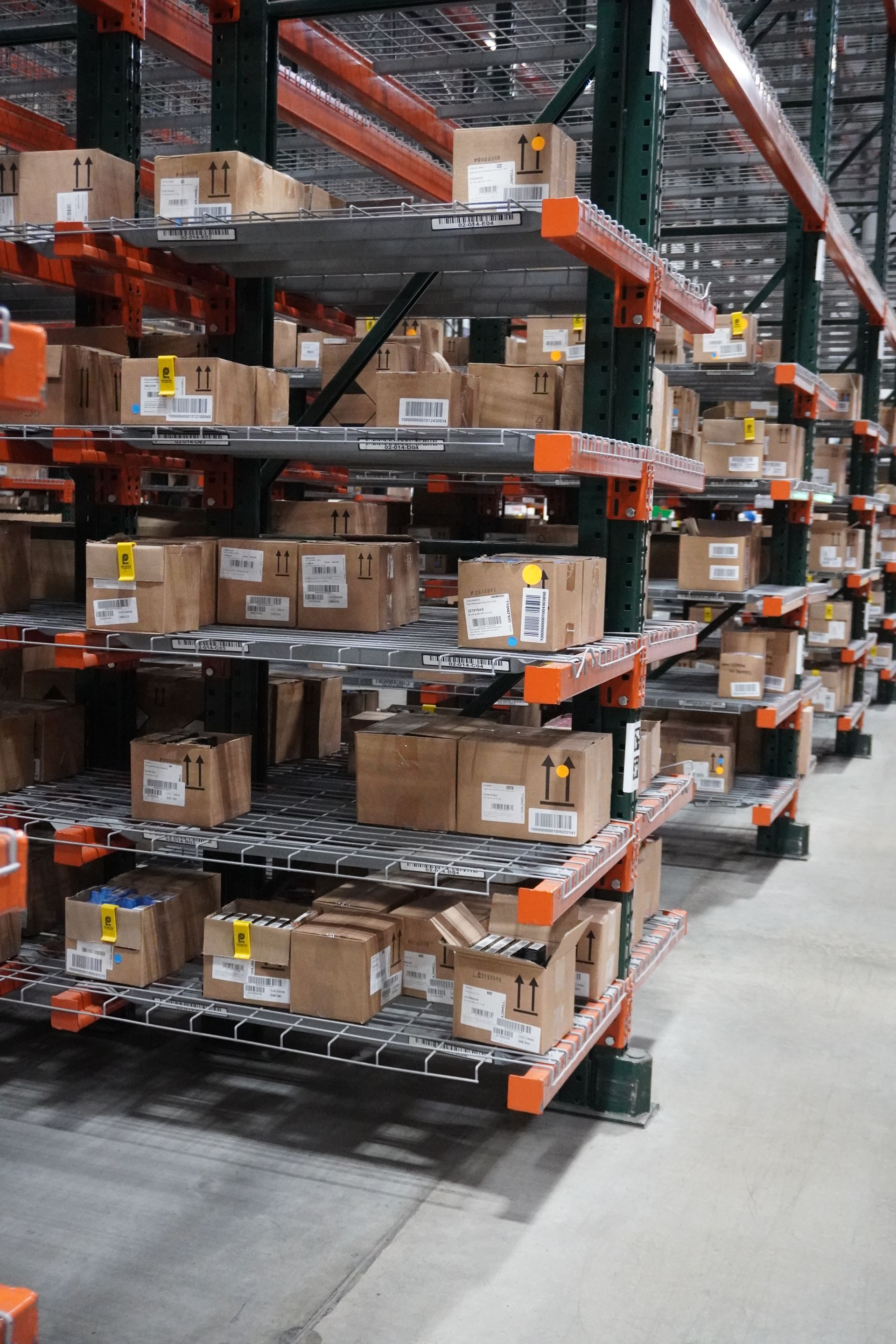
Value-added services (VAS) are specialized warehouse activities that go beyond traditional storage, picking, packing, and shipping. These services help brands prepare products for specific sales channels, meet retailer requirements, and manage more complex fulfillment operations. For ecommerce and retail brands, working with a third-party logistics provider (3PL) that offers value-added services can help simplify operations and reduce the need for multiple logistics partners. Barrett Distribution provides value-added fulfillment capabilities as part of its broader omnichannel logistics solutions. Key Takeaways Value-added services extend beyond standard warehousing and order fulfillment. Common services include kitting, labeling, pre-ticketing, repackaging, and retail preparation. Retail compliance requirements often make specialized warehouse services essential. A 3PL with value-added capabilities can support both ecommerce and wholesale distribution. Barrett offers customer-specific fulfillment processes to support different product and channel requirements. What Are Examples of Value-Added Services in Warehousing? Value-added services vary depending on the products being handled and the requirements of each brand. Common examples include product kitting, labeling, pre-ticketing, repackaging, returns processing, and retail compliance preparation. For example, an apparel brand may need products labeled and ticketed according to a retailer's specifications before shipment. An ecommerce brand may require multiple products to be assembled into a promotional kit. Rather than managing these activities separately, brands can work with a 3PL that incorporates them into warehouse operations. How Does Kitting Work in a 3PL Warehouse? Kitting involves grouping multiple individual products into a single package or sellable unit. Brands may use kitting for promotional bundles, subscription boxes, seasonal collections, or special product offerings. A 3PL can coordinate kitting activities alongside inventory management and fulfillment, helping brands prepare products according to their specific requirements. This can be particularly useful for businesses managing both standard orders and promotional campaigns. Why Are Labeling and Pre-Ticketing Important? Labeling and pre-ticketing help prepare products for distribution through specific retail channels. Retailers may require merchandise to arrive with particular price tickets, barcode labels, carton markings, or other identification information. For apparel and footwear brands, these requirements can become especially complex when managing multiple sizes, colors, styles, and retail partners. Barrett supports retail preparation services, including pre-ticketing, labeling, carton identification, and customer-specific packaging requirements. How Do Value-Added Services Support Retail Compliance? Retail compliance involves meeting the operational and shipping requirements established by retail partners. These requirements may include labeling, palletization, carton preparation, shipping documentation, and advance shipping notices (ASNs). When shipments fail to meet retailer requirements, brands may face delays, additional handling, or chargebacks. Barrett's omnichannel fulfillment capabilities include retail compliance services designed to help brands prepare orders according to customer-specific requirements. Can Value-Added Services Help Ecommerce Brands? Yes. Value-added services can support ecommerce brands as they introduce new products, run promotions, and expand into additional sales channels. For example, an ecommerce business may need promotional bundles prepared for a product launch while also fulfilling individual direct-to-consumer orders. As the brand expands into wholesale distribution, it may also need retailer-specific labeling and packaging. A 3PL with both B2C and B2B capabilities can help coordinate these different fulfillment requirements within a broader logistics strategy. What Should Brands Look for in a 3PL Offering Value-Added Services? Brands should evaluate whether a 3PL can support their specific products, order volumes, packaging requirements, and distribution channels. Warehouse technology, inventory visibility, operational flexibility, and experience with retailer requirements are also important considerations. Barrett combines value-added services with warehouse management technology, transportation capabilities, and omnichannel fulfillment to support customer-specific logistics solutions. Frequently Asked Questions What does VAS mean in logistics? VAS stands for value-added services. In logistics, it refers to warehouse activities beyond basic storage and shipping, such as kitting, labeling, repackaging, and retail preparation. Is kitting considered a value-added service? Yes. Kitting is a common value-added service that involves combining multiple products into a single package or unit. What is the difference between fulfillment and value-added services? Standard fulfillment typically involves receiving, storing, picking, packing, and shipping orders. Value-added services include additional activities needed to prepare or customize products for distribution. Can a 3PL provide value-added services for both ecommerce and retail? Yes. Omnichannel 3PL providers can support ecommerce-specific activities alongside retailer labeling, packaging, and compliance requirements. Does Barrett Distribution offer value-added services? Yes. Barrett provides value-added fulfillment capabilities, including retail preparation, labeling, pre-ticketing, and other customer-specific warehouse services. Looking for a 3PL that takes the time to understand your business? Start a conversation with Barrett Distribution Centers.
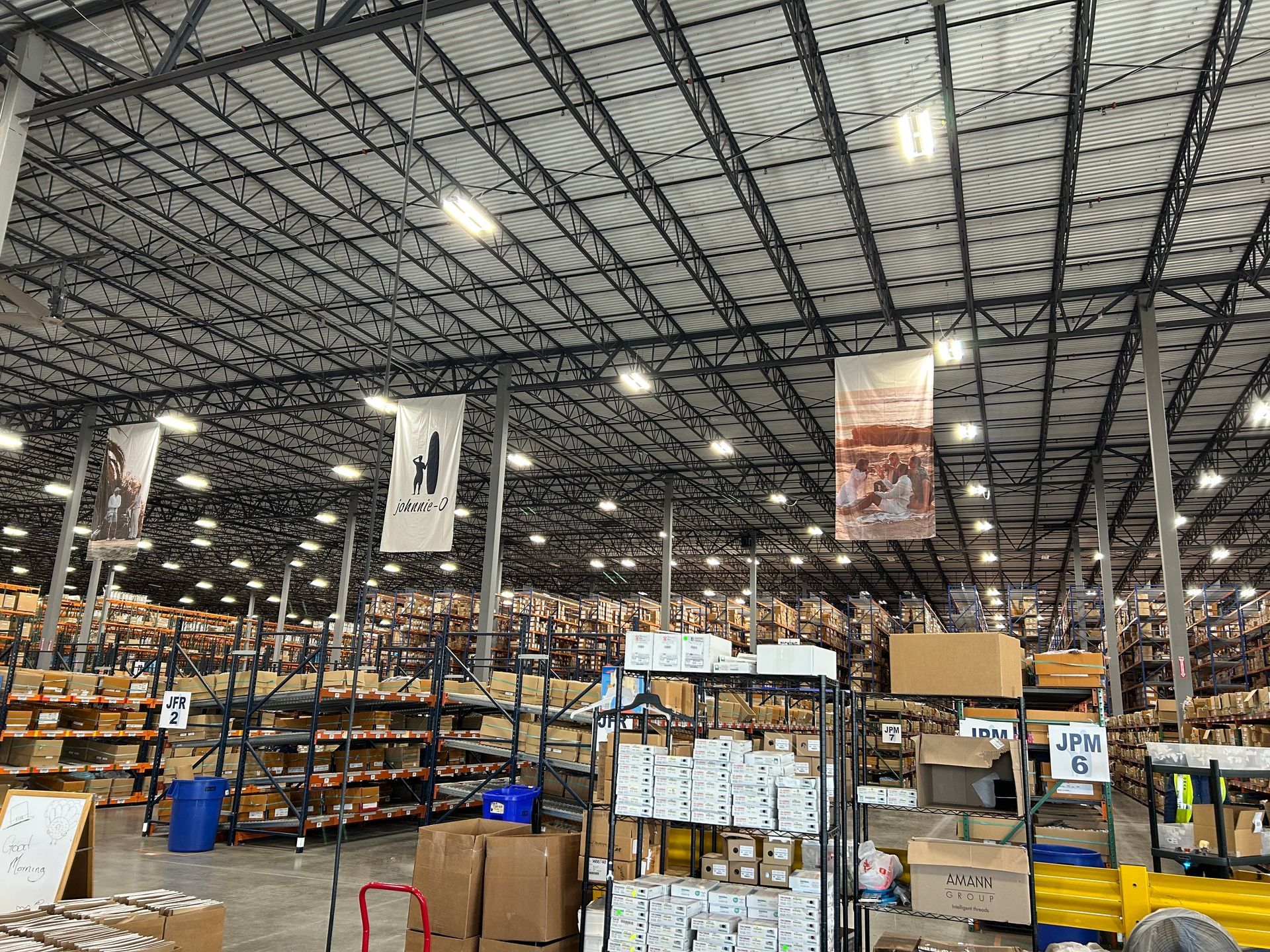
Ecommerce brands should consider outsourcing fulfillment to a third-party logistics provider (3PL) when order volume, inventory complexity, or operational demands begin to exceed their internal capabilities . A 3PL can provide the warehouse space, technology, labor, and transportation expertise needed to support growth without requiring brands to build their own fulfillment infrastructure. For growing businesses, the decision often comes down to whether managing fulfillment internally is still the most efficient use of time and resources. Key Takeaways Increasing order volume can make in-house fulfillment difficult to manage. Inventory inaccuracies and shipping delays may signal operational limitations. A 3PL provides access to established warehouse infrastructure and fulfillment technology. Outsourcing can help brands expand into new sales channels and geographic markets. Barrett Distribution supports B2B and B2C fulfillment through its national warehouse network. What Are the Signs It's Time to Outsource Fulfillment? One of the clearest signs is when fulfillment operations begin interfering with business growth. As order volumes increase, brands may struggle with limited warehouse space, labor availability, inventory organization, and shipping demands. Common warning signs include delayed order processing, frequent inventory discrepancies, difficulty handling seasonal peaks, and increasing operational costs. When these challenges become consistent, working with a 3PL may provide a more scalable solution. How Does a 3PL Help Ecommerce Brands Scale? A 3PL manages fulfillment operations on behalf of a brand, including warehousing, inventory management, picking, packing, and shipping coordination. Instead of investing in additional facilities and building warehouse teams internally, brands can use an established logistics provider's infrastructure and expertise. Barrett offers omnichannel fulfillment, warehouse management technology, transportation services, and value-added capabilities to support businesses with evolving distribution requirements. Can Outsourcing Fulfillment Improve Shipping Efficiency? Outsourcing can help brands improve shipping efficiency through strategic warehouse placement, established processes, and transportation management. Warehouse location is especially important for businesses serving customers across multiple regions. Barrett's distribution network includes facilities in Massachusetts, New Jersey, New York, Maryland, Virginia, Tennessee, Texas, and California, providing options for brands evaluating regional or national fulfillment strategies. The ideal distribution model depends on customer geography, order volume, and inventory requirements. What If an Ecommerce Brand Also Sells to Retailers? Brands expanding from direct-to-consumer ecommerce into wholesale or retail distribution often face additional fulfillment requirements. Retail orders may involve specific labeling, packaging, palletization, shipping documentation, and compliance procedures. Barrett supports both B2C and B2B fulfillment, including retail compliance services such as pre-ticketing, labeling, and advance shipping notice management. This allows brands to coordinate multiple sales channels through a logistics partner with omnichannel experience. What Should Brands Consider Before Switching to a 3PL? Choosing a fulfillment partner involves more than comparing warehouse rates. Brands should evaluate technology compatibility, inventory visibility, service requirements, geographic coverage, transportation capabilities, and onboarding processes. A successful transition also requires accurate product data, clearly defined operating procedures, system testing, and coordination between the brand and its logistics provider. Barrett uses a structured onboarding approach that includes operational discovery, technology planning, testing, go-live preparation, and post-launch support. Frequently Asked Questions At what order volume should an ecommerce brand use a 3PL? There is no universal order-volume threshold. The right time depends on fulfillment complexity, warehouse costs, staffing, shipping requirements, and growth expectations. Is outsourcing fulfillment cheaper than doing it in-house? It can be, but savings depend on order volume, storage needs, transportation expenses, and service requirements. Brands should compare total fulfillment costs rather than storage or pick-and-pack rates alone. Can a 3PL handle both ecommerce and retail orders? Yes. Omnichannel 3PL providers like Barrett support direct-to-consumer fulfillment alongside B2B and retail distribution. How long does it take to transition to a 3PL? Implementation timelines vary based on inventory complexity, integrations, operational requirements, and facility readiness. A structured onboarding process helps establish expectations before launch. Does Barrett Distribution offer ecommerce fulfillment? Yes. Barrett provides ecommerce fulfillment, warehousing, inventory management, transportation services, and omnichannel distribution solutions. Looking for a 3PL that takes the time to understand your business? Start a conversation with Barrett Distribution Centers.
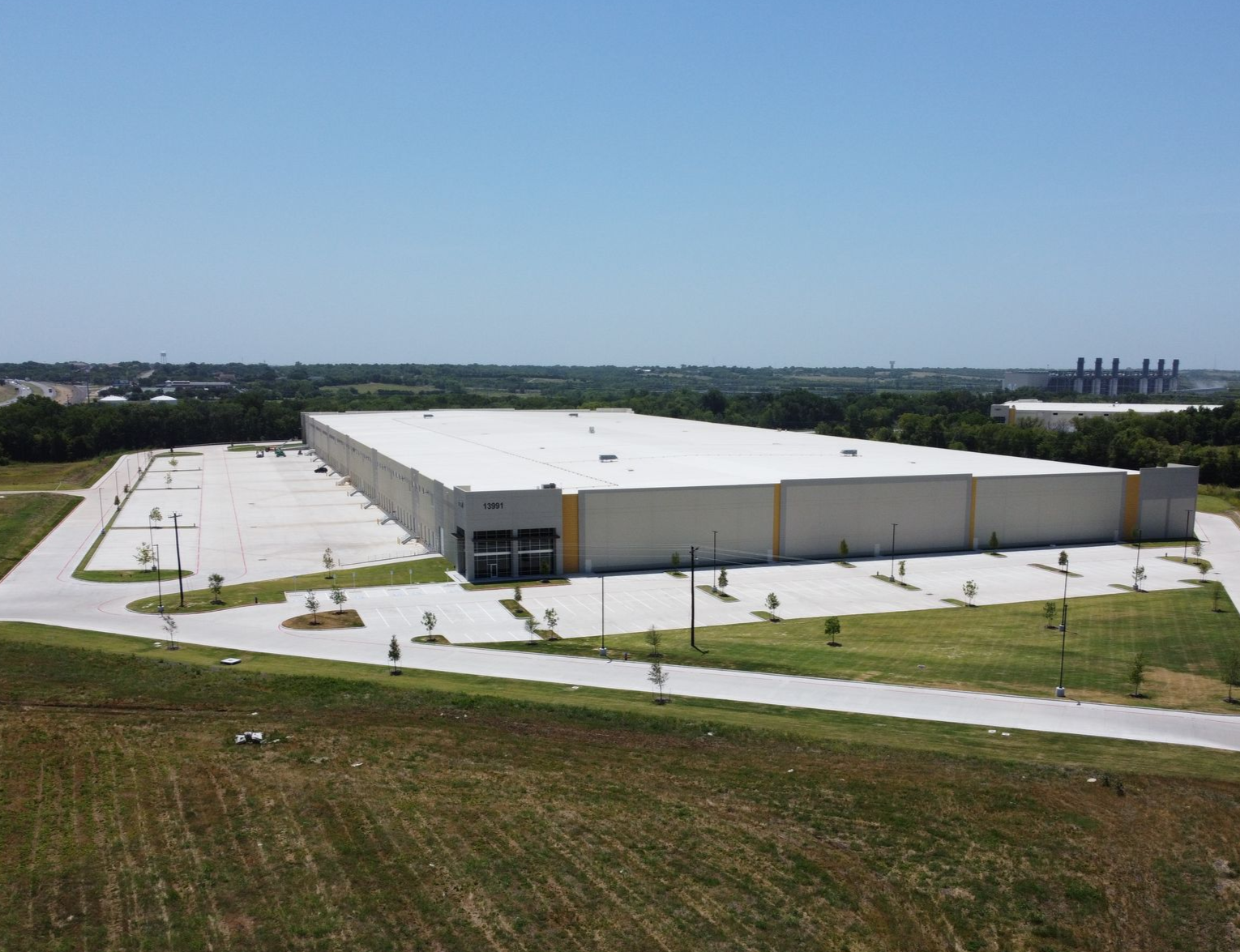
Ecommerce brands should track order accuracy, on-time fulfillment, inventory accuracy, order cycle time, and receiving performance when evaluating their third-party logistics (3PL) operations. These key performance indicators (KPIs) help businesses understand how efficiently their fulfillment partner manages inventory, processes orders, and supports customer expectations. For growing brands, tracking the right metrics is essential to maintaining visibility and identifying opportunities for operational improvement. Key Takeaways Order accuracy measures whether customers receive the correct products and quantities. On-time fulfillment helps evaluate whether orders are processed within agreed timelines. Inventory accuracy supports reliable order processing and replenishment decisions. Order cycle time and dock-to-stock performance reveal potential warehouse bottlenecks. Barrett Distribution provides operational reporting and analytics to support fulfillment visibility. Why Are 3PL KPIs Important? Outsourcing fulfillment does not mean giving up visibility into warehouse performance. Brands still need to understand how effectively orders are processed, inventory is managed, and products move through the distribution center. KPIs provide measurable insights that help brands and their logistics partners evaluate performance, identify trends, and prioritize improvements. What Is Order Accuracy in Fulfillment? Order accuracy measures the percentage of orders fulfilled without errors. Incorrect items, quantities, or product variations can lead to returns, additional shipping costs, and dissatisfied customers. For apparel brands managing multiple sizes, colors, and styles, accurate picking and packing are particularly important. Barrett uses warehouse management technology and operational reporting to support order processing and performance measurement. How Is On-Time Fulfillment Measured? On-time fulfillment measures whether orders are processed or shipped within established service-level requirements. This metric helps brands understand how consistently their fulfillment operation meets agreed processing timelines. It is important to distinguish on-time fulfillment from on-time delivery. Fulfillment performance reflects warehouse execution, while delivery also depends on carrier transportation. Why Does Inventory Accuracy Matter? Inventory accuracy measures how closely warehouse inventory records match actual physical inventory. Discrepancies can create challenges for order fulfillment, replenishment, and inventory planning. Barrett's warehouse management capabilities and customer-facing inventory visibility tools help brands monitor inventory information and warehouse activity. What Is Order Cycle Time? Order cycle time measures how long an order takes to move through defined stages of the fulfillment process. Depending on the reporting methodology, it may measure the time between order receipt and shipment. Tracking this metric can help identify delays in picking, packing, and outbound processing. For ecommerce brands focused on fast shipping, understanding order cycle time is an important part of evaluating fulfillment efficiency. What Is Dock-to-Stock Time? Dock-to-stock time measures how long incoming inventory takes to move through receiving and putaway before becoming available for fulfillment. Slow receiving processes can delay inventory availability even when products have already arrived at the warehouse. Barrett includes dock-to-stock performance among the operational metrics supported by its analytics and reporting capabilities. How Does Barrett Help Brands Monitor Fulfillment KPIs? Barrett combines warehouse management technology with operational reporting and analytics to support visibility into fulfillment performance. Its capabilities include: KPI dashboards covering order accuracy, inventory accuracy, fulfillment performance, and warehouse activity. Labor planning and productivity reporting to support operational efficiency. Secure customer portal access to inventory information, inbound and outbound orders, and reporting. Continuous improvement processes designed to identify and address operational challenges. These capabilities help brands and warehouse teams use performance data to guide operational decisions. Frequently Asked Questions What is the most important KPI for a 3PL? There is no single KPI that matters most for every business. Order accuracy, on-time fulfillment, and inventory accuracy are often important starting points because they directly affect fulfillment reliability. How often should brands review 3PL performance? Review frequency depends on order volume and service requirements. Many brands benefit from regular operational reporting, with more detailed performance reviews conducted periodically. What is the difference between order accuracy and inventory accuracy? Order accuracy measures whether orders are fulfilled correctly. Inventory accuracy measures whether recorded inventory quantities match physical inventory. Does Barrett provide fulfillment reporting? Yes. Barrett provides operational analytics, KPI reporting, and customer portal access to inventory and order information. Looking for a 3PL that takes the time to understand your business? Start a conversation with Barrett Distribution Centers.
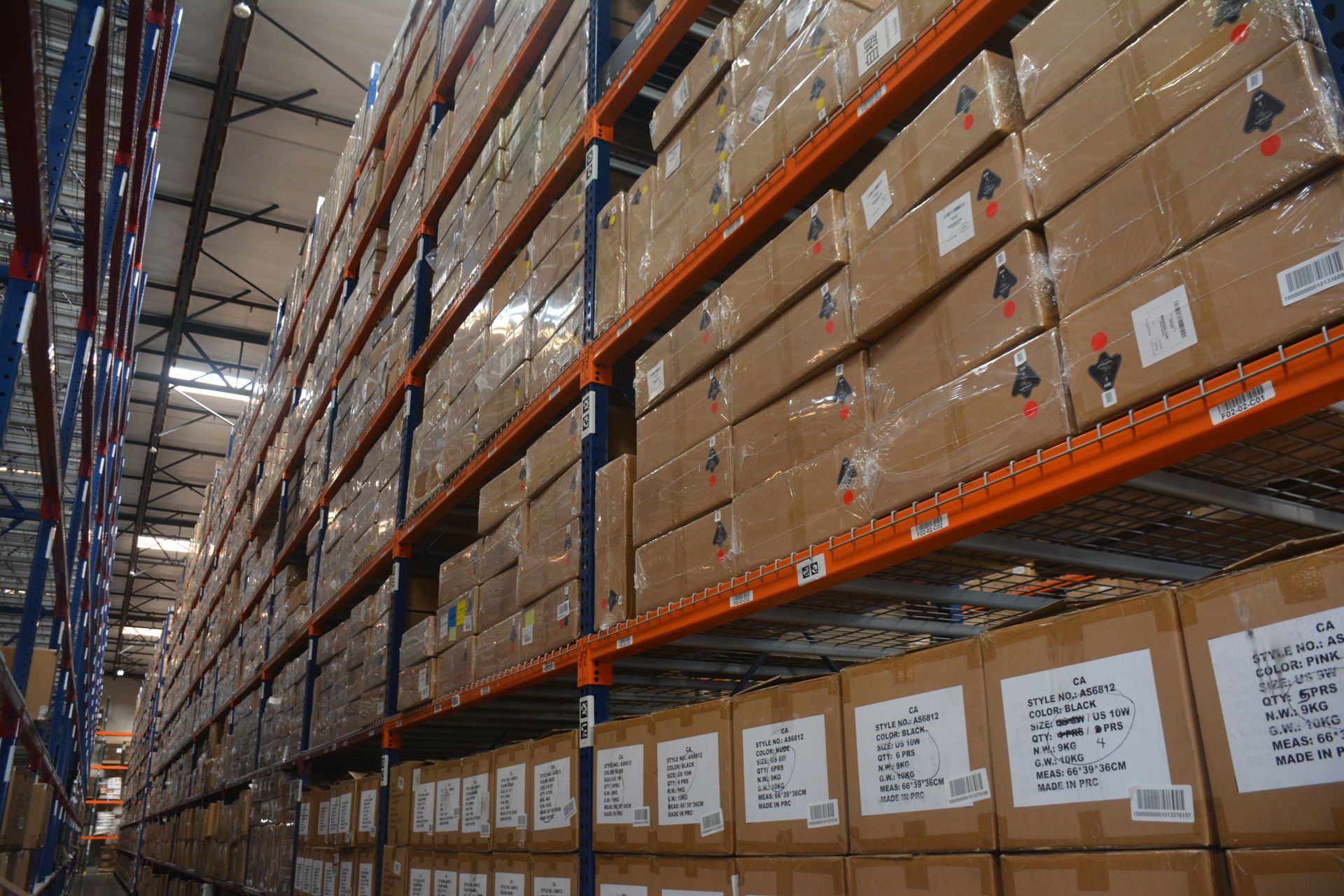
A third-party logistics provider (3PL) can help reduce inventory holding costs by improving inventory visibility, warehouse efficiency, inventory placement, and fulfillment processes . With the right technology and distribution strategy, brands can make better decisions about how much inventory to store, where to position it, and how efficiently it moves through the warehouse. For growing ecommerce and retail brands, partnering with a 3PL like Barrett Distribution can provide the infrastructure and operational expertise needed to manage inventory more effectively. Key Takeaways Inventory holding costs include storage, labor, insurance, and other expenses associated with maintaining inventory. Better inventory visibility can help brands identify excess or slow-moving products. Strategic warehouse locations can support more efficient inventory distribution. A 3PL can provide technology, reporting, and flexible fulfillment capabilities to support inventory management. What Are Inventory Holding Costs? Inventory holding costs are the expenses associated with storing and maintaining products before they are sold or distributed. These costs can include warehouse space, labor, insurance, inventory handling, and the financial impact of products remaining in storage. For brands with seasonal demand or large product catalogs, holding costs can increase when inventory levels exceed actual demand. How Does Inventory Visibility Help Reduce Costs? Accurate inventory information helps brands understand what products are available, where they are stored, and how inventory moves through the fulfillment operation. Without reliable visibility, businesses may struggle to identify excess inventory or make informed replenishment decisions. Barrett provides customers with secure web-based access to inventory information, inbound and outbound orders, reporting, and operational dashboards. These tools support more informed inventory and distribution decisions. Can Strategic Warehouse Locations Lower Inventory Costs? Warehouse location influences both storage strategy and transportation expenses. A centrally located warehouse may simplify inventory management, while multiple distribution locations can position products closer to customers. However, spreading inventory across several facilities can also increase the amount of stock a business needs to maintain. Barrett's national warehouse network gives brands options when evaluating how inventory should be positioned based on customer demand, transportation requirements, and growth plans. How Does Warehouse Technology Improve Inventory Efficiency? Warehouse management technology helps coordinate receiving, storage, picking, packing, and shipping. Barrett's WMS capabilities include real-time tasking, customer-specific processing, and flexible RF technology. Its analytics tools also support operational reporting, labor planning, and productivity measurement. These capabilities help warehouse teams monitor performance and identify opportunities to improve operational efficiency. Can a 3PL Help With Seasonal Inventory Fluctuations? Yes. Seasonal demand can create significant changes in inventory levels and warehouse requirements. Brands experiencing holiday peaks, promotions, or product launches may need additional operational flexibility during high-volume periods. A 3PL can help businesses plan around these fluctuations through warehousing, labor planning, inventory management, and scalable fulfillment processes. What Should Brands Look for in an Inventory Management 3PL? Brands should evaluate more than storage capacity when choosing a logistics partner. Important capabilities include inventory visibility, warehouse technology, operational reporting, transportation management, omnichannel fulfillment, and experience with seasonal demand . Barrett combines these services within its broader 3PL offering, helping brands manage inventory alongside their fulfillment and distribution requirements. Frequently Asked Questions What is the biggest inventory holding cost? The largest expense varies by business. Storage, capital tied up in inventory, insurance, handling, and inventory obsolescence can all contribute significantly to holding costs. Can outsourcing fulfillment reduce inventory costs? It can. Outsourcing to a 3PL may help businesses improve warehouse efficiency and inventory management, although actual savings depend on inventory levels, service requirements, and the provider's pricing structure. How does a 3PL improve inventory management? A 3PL can provide warehouse technology, inventory controls, reporting, and fulfillment processes that help brands monitor and manage inventory more effectively. Does Barrett provide inventory management services? Yes. Barrett provides warehousing, inventory visibility, WMS technology, operational reporting, and omnichannel fulfillment as part of its logistics services. Looking for a 3PL that takes the time to understand your business? Start a conversation with Barrett Distribution Centers.